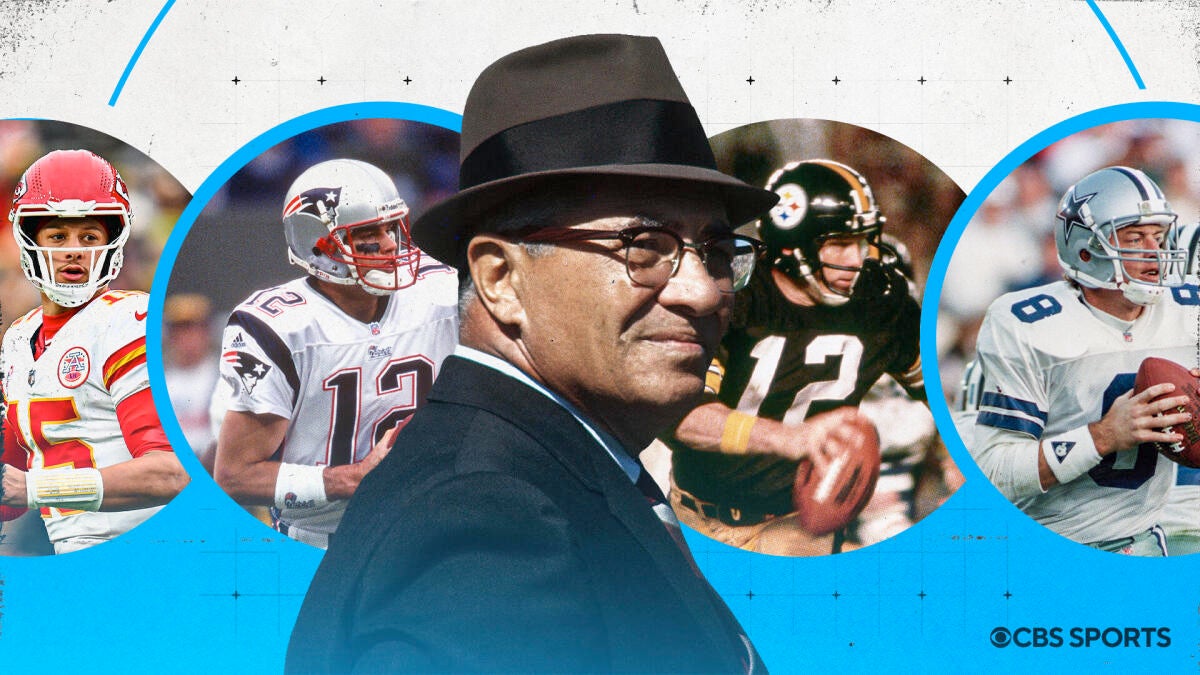
Defining the greatest NFL team of every decade requires an examination of championship dominance, statistical supremacy, and the lasting impact these franchises had on the evolution of professional football. From the early grit of the Green Bay Packers to the modern tactical mastery of the Kansas City Chiefs, specific organizations have consistently risen above their contemporaries to shape the sport’s history, according to official records maintained by the National Football League.
As a sports editor with over 13 years of experience covering international football and league dynamics, I have observed that while eras change, the markers of excellence remain constant: consistent playoff appearances, high-scoring offenses, and defenses that force turnovers at crucial junctures. This analysis identifies the defining teams of each decade, grounding these designations in documented league titles and historical performance metrics.
The 1920s and 1930s: The Rise of the Chicago Bears
The NFL’s formative years were dominated by the Chicago Bears, who established a blueprint for team success under the leadership of George Halas. During the 1920s, the Bears—then known as the Decatur Staleys before moving to Chicago—helped legitimize the league. According to the Pro Football Hall of Fame, the team secured their first league championship in 1921, setting a tone for the franchise’s early dominance.
The 1930s saw the Bears continue their run, notably through their revolutionary T-formation offense. This tactical shift, which emphasized speed and deception, culminated in the 1940 championship game, where the Bears defeated the Washington Redskins 73-0, a margin that remains the largest in NFL postseason history, as verified by league archives.
The 1940s and 1950s: Cleveland Browns and Detroit Lions
Following the integration of the All-America Football Conference (AAFC) into the NFL in 1950, the Cleveland Browns emerged as the definitive team of the early decade. Led by coach Paul Brown and quarterback Otto Graham, the Browns appeared in every AAFC championship game and won the NFL title in their first year of league play in 1950, per the team’s official historical records.
In the 1950s, the Detroit Lions established a standard for defensive excellence, securing three championships in 1952, 1953, and 1957. Their rivalry with the Browns during this period remains a cornerstone of mid-century NFL lore, characterized by intense physical play and tactical innovation.
The 1960s: The Green Bay Packers Dynasty
Under the stewardship of Vince Lombardi, the Green Bay Packers became the gold standard for success in the 1960s. Between 1960 and 1967, the Packers won five NFL championships, including the first two Super Bowls, according to official Packers franchise data. Lombardi’s emphasis on discipline and the “Packer Sweep” defined the era’s football identity, moving the sport toward the modern professionalized structure seen today.

The 1970s: The Steel Curtain Era
The Pittsburgh Steelers defined the 1970s by winning four Super Bowls in six years (1974, 1975, 1978, and 1979). Their success was built upon the “Steel Curtain” defense, which remains one of the most celebrated units in professional sports history, as documented by the Steelers’ official team history. This decade marked the transition of the NFL into a television-focused cultural phenomenon, with the Steelers serving as the league’s primary attraction.
The 1980s: San Francisco 49ers and the West Coast Offense
The 1980s belonged to the San Francisco 49ers, who revolutionized offensive football with Bill Walsh’s “West Coast Offense.” By prioritizing short, precise passes over traditional power running, the 49ers won four Super Bowls during the decade (1981, 1984, 1988, 1989). This period cemented the legacy of Joe Montana and Jerry Rice, whose statistical achievements are still used as benchmarks for modern quarterbacks and wide receivers, per Pro Football Reference.
The 1990s: The Dallas Cowboys
The Dallas Cowboys reclaimed their place at the top of the NFL hierarchy in the 1990s, securing three Super Bowl victories (1992, 1993, 1995). The team, built through savvy trades and high-impact draft picks, featured a core of stars including Troy Aikman, Emmitt Smith, and Michael Irvin. Their dominance was a reflection of the high-stakes management style of the era, which saw the team become a global brand.
The 2000s and 2010s: The New England Patriots
No team has defined a modern era more than the New England Patriots. Spanning two decades, the tandem of coach Bill Belichick and quarterback Tom Brady led the team to six Super Bowl championships between 2001 and 2018. Their sustained excellence—characterized by roster versatility and situational awareness—is unprecedented in the salary-cap era of the NFL, as noted by franchise history reports.
The 2020s: The Kansas City Chiefs
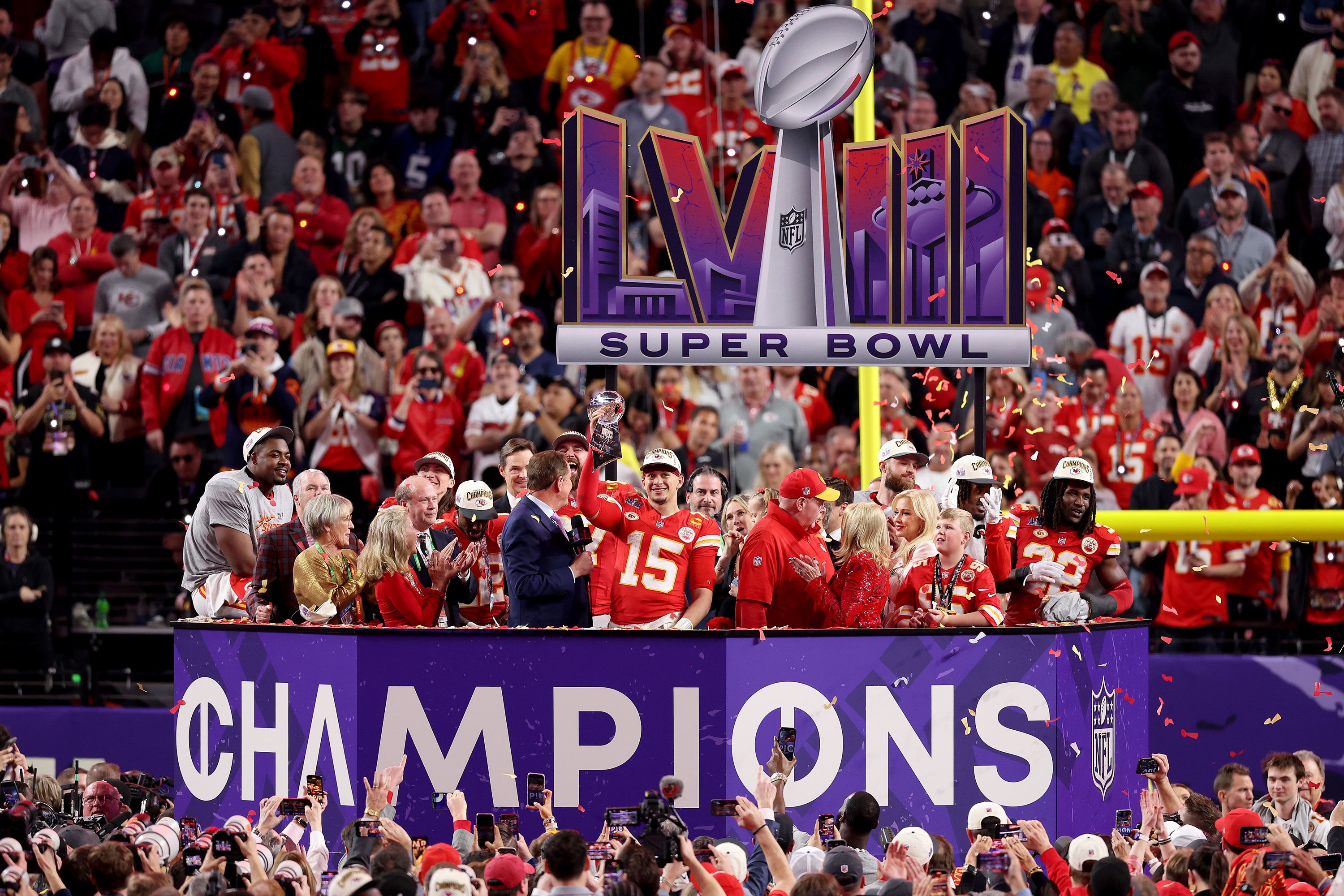
The current decade has been defined by the Kansas City Chiefs. Since 2020, the team has secured multiple Super Bowl titles, led by quarterback Patrick Mahomes and coach Andy Reid. According to NFL official standings and postseason results, the Chiefs have maintained a level of offensive efficiency that has forced the rest of the league to adjust their defensive strategies to compensate for Mahomes’ improvisation and arm talent.
The evolution of these franchises highlights the shift from run-heavy, defensive-minded games to the high-scoring, quarterback-centric spectacle that dominates today’s media landscape. As the league prepares for the upcoming 2024 season, the focus remains on whether the Chiefs can sustain their current trajectory or if a new challenger will emerge to define the latter half of this decade.
Readers interested in following the latest developments can monitor the official NFL news portal for updates on roster changes and upcoming schedule announcements. Please feel free to share your thoughts on these historic dynasties in the comments section below.
Related reading