
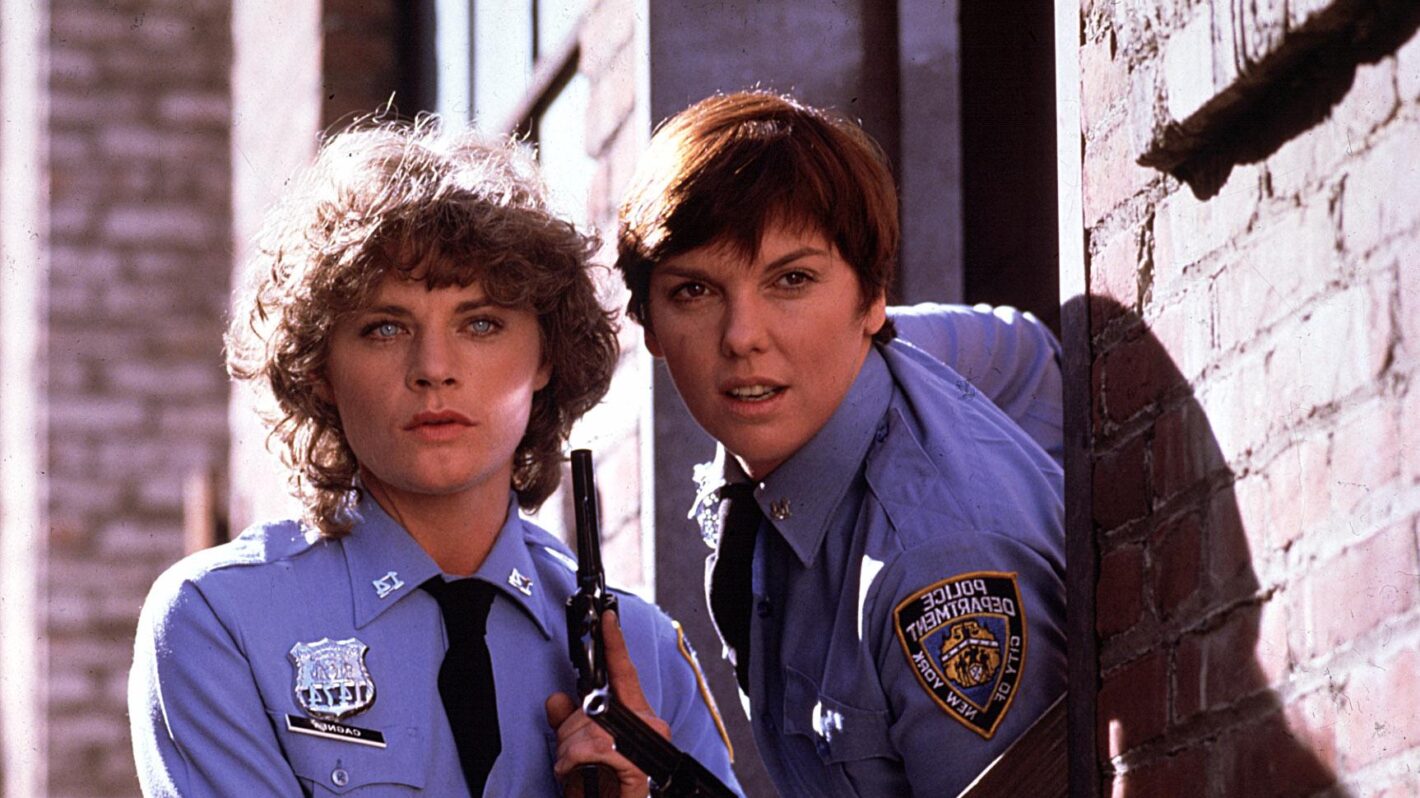
The Real Reason Meg Foster Left ‘Cagney & Lacey‘: A Look Back at TV’s Shifting Landscape
Have you ever wondered why a promising actress seemingly vanishes from a hit show? The departure of Meg Foster from the groundbreaking police procedural Cagney & Lacey remains a interesting, and somewhat controversial, topic for television fans. Her captivating presence, particularly those striking pale blue eyes, initially drew viewers in. But a behind-the-scenes shift in network expectations ultimately led to her unexpected exit. Let’s delve into the story of what happened and the changing dynamics of female representation on television.
From Hawthorne to Homicide: Meg Foster’s Early Career
Meg Foster first gained recognition for her role in a television adaptation of Nathaniel Hawthorne’s The Scarlet Letter. Her ethereal beauty and compelling performance captivated audiences. Later, she landed a role on the CBS crime drama Cagney & Lacey, initially playing Detective Christine Cagney.
However, her time on the show was surprisingly short-lived. She was replaced by Sharon Gless, previously known for her work on the comedy House calls. This sudden change left many viewers questioning: why was Meg Foster fired from Cagney & Lacey?
The network’s Vision: A shift in Character Expectations
The answer lies in the network’s evolving perception of what audiences wanted in a female lead. Initially, Foster’s Cagney was portrayed as a more reserved, intellectual, and somewhat emotionally detached character. Network executives, however, believed viewers would connect more readily with a more traditionally feminine and vulnerable portrayal.
Essentially, they wanted a Cagney who was more relatable and less…intimidating. This decision wasn’t a reflection of Foster’s acting ability, but rather a misjudgment of audience preferences and a desire to fit a specific mold.
Sharon Gless Takes the Reins: A New Cagney Emerges
Sharon Gless stepped into the role, bringing a different energy to Christine Cagney. Her portrayal emphasized vulnerability, emotional depth, and a more overt display of femininity. This aligned with the network’s revised vision for the character.
gless’s interpretation proved successful, and Cagney & Lacey continued its run as a critically acclaimed and popular series. The show broke ground for its realistic depiction of women in law enforcement and tackled complex social issues.
The Impact of the Change: A Reflection of the Times
Foster’s departure sparked debate about the pressures faced by actresses and the limited range of roles available to women in the 1980s. The situation highlighted the network’s desire to control the narrative and shape characters to fit pre-conceived notions of audience appeal.
It’s a stark reminder of how much television has evolved,and the ongoing fight for more diverse and authentic representation.
Beyond Cagney & lacey: Meg Foster’s Continued Career
Despite the early setback, Meg Foster continued to work steadily in television and film. She appeared in numerous guest roles and made a lasting impression with her unique screen presence. Some of her notable credits include get Christie Love!, Hotel, and Quantum Leap.
Foster’s career demonstrates resilience and a commitment to her craft, even in the face of industry challenges.
Evergreen Insights: The Evolution of Female Leads in Television
The story of Meg Foster and Cagney & Lacey offers a valuable lens through which to examine the evolution of female leads in television.
* Early Stereotypes: For decades, women were often relegated to supporting roles or portrayed as stereotypical characters – the damsel in distress, the nagging wife, or the seductive villain.
* The Rise of Strong Female Characters: Shows like Cagney & Lacey began to challenge these norms, presenting women as complex, capable, and independent individuals.
* Modern Representation: today, we see a wider range of female characters, reflecting diverse backgrounds, experiences, and perspectives.
* Ongoing Challenges: Despite progress, issues of representation and gender equality persist in the entertainment industry.
The journey from Foster’s initial portrayal of Cagney to the diverse female leads we see today underscores the importance of challenging conventions and advocating for authentic storytelling.


