
The intersection of traditional belief systems and modern medical science remains a compelling narrative device in contemporary cinema, particularly within the Indonesian horror landscape. Among the productions drawing attention for this thematic collision is the film Menjelang Magrib 2, a sequel that continues to explore the tension between clinical psychiatry and the deep-seated cultural practice of pasung—the physical restraint of individuals suffering from severe mental health conditions.
Directed by Helfi Kardit, the film serves as a dramatic commentary on a practice that, while largely outlawed, persists in isolated pockets of the country. By framing the narrative around a “duel” between medical intervention and ritualistic obsession, the production aims to bring public awareness to the human rights implications of how mental health is perceived and managed in rural settings. As global audiences increasingly engage with Southeast Asian horror, the film highlights how genre storytelling can act as a vehicle for discussing complex social issues.
For those tracking the intersection of public policy and media, We see essential to note that the practice of pasung was officially banned by the Indonesian government under Law No. 18 of 2014 regarding Mental Health, which mandates that every citizen has the right to humane medical treatment. Despite this official prohibition by the Ministry of Health, international observers such as the World Health Organization continue to monitor reports of shackling, emphasizing the need for ongoing education and accessible psychiatric care in remote provinces.
The Thematic Core: Science Versus Superstition
At its heart, Menjelang Magrib 2 posits a conflict that is as much about ideology as it is about horror. The narrative follows characters who represent the front lines of modern medicine—psychiatrists and social workers—as they encounter a community resistant to departing from traditional rituals. The film uses the “Magrib” (sunset) transition, a time often steeped in folklore in Indonesian culture, to signify the vulnerability of the human psyche when caught between two opposing worlds.

The production design and screenplay focus heavily on the isolation of the setting, a trope common in psychological thrillers that serves to emphasize the lack of institutional oversight in rural areas. By focusing on the struggle of families who may lack the resources or knowledge to access modern psychiatric facilities, the film underscores the systemic barriers that keep the practice of pasung alive. According to reports from the Human Rights Watch, the lack of community-based mental health services is a primary driver for families resorting to shackling out of desperation or fear.
Directorial Vision and Social Commentary
Helfi Kardit, known for his work in the genre, has consistently utilized the horror medium to mirror societal anxieties. In Menjelang Magrib 2, the director moves beyond jump-scares to explore the ethical dilemmas faced by medical professionals. The “ritual keji” (vile ritual) depicted in the film acts as a metaphor for the cruelty of ignorance, contrasting sharply with the cold, diagnostic approach of the medical team. This duality challenges the audience to consider the human cost of choosing superstition over evidence-based care.
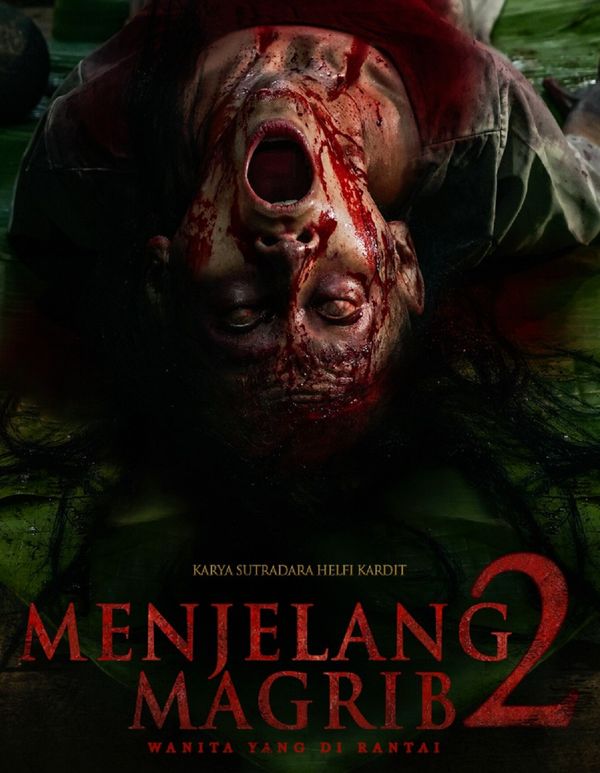
The film’s release and subsequent broadcast schedules have sparked renewed interest in the legal framework surrounding mental health. While the film is a work of fiction, the issues it addresses—such as the stigma surrounding schizophrenia and other psychosocial disabilities—are grounded in a reality that continues to be a subject of intense debate among activists and government officials in Indonesia. The Indonesian Ministry of Health maintains a portal for public information regarding the “Indonesia Bebas Pasung” (Indonesia Free from Shackling) movement, which provides resources for families seeking alternatives to traditional, non-medical restraint methods.
Navigating Mental Health Stigma in Modern Media
The portrayal of mental health in horror cinema is a delicate balance. When done effectively, as seen in recent regional successes, it can humanize those who have been marginalized. However, it also risks perpetuating stereotypes if the “madness” is solely attributed to supernatural forces rather than manageable medical conditions. Menjelang Magrib 2 attempts to bridge this gap by centering the conflict on the *act* of restraint rather than the illness itself.

The film suggests that the “horror” is not the illness, but the response to it. By highlighting the psychological toll on both the patient and the practitioner, the story serves as a reminder of the importance of integrated mental health systems. In urban centers, the push toward destigmatization has seen progress, yet as the film illustrates, the challenge remains significant in regions where access to qualified mental health professionals is limited by geographical and cultural distances.
Looking Ahead: Awareness and Advocacy
As the film continues to reach audiences, the broader conversation regarding the rights of the mentally ill remains active. Advocacy groups continue to push for the enforcement of the 2014 mental health mandates, focusing on the integration of psychiatric services into primary healthcare at the village level. For viewers interested in the real-world context of these issues, official updates on mental health policy and advocacy efforts can be monitored through the World Health Organization’s Indonesia country office, which provides data on current initiatives aimed at ending discriminatory practices.
The intersection of entertainment and social advocacy is rarely seamless, but Menjelang Magrib 2 offers a window into a conversation that is vital for the health and dignity of communities across the archipelago. Whether the film succeeds as a piece of horror is a matter of critical taste; its success as a prompt for discussing the urgent need for medical reform in rural mental health care, however, is undeniable.
We invite our readers to join the conversation. Have you observed how cultural media affects your perception of modern medical practices? Share your thoughts in the comments section below, and stay tuned to World Today Journal for further updates on the intersection of global cinema and social policy.