In the evolving landscape of personal audio, the quest for immersive sound has historically been tethered to complex home theater setups or restrictive headphone cables. However, the release of the Sony HT-AX7 has shifted the conversation toward portable, flexible acoustic environments. As a technology editor, I have spent years reviewing audio hardware that promises to bridge the gap between studio-quality output and mobile convenience, and the HT-AX7 represents a distinct pivot in how we perceive “portable theater” systems in modern living spaces.
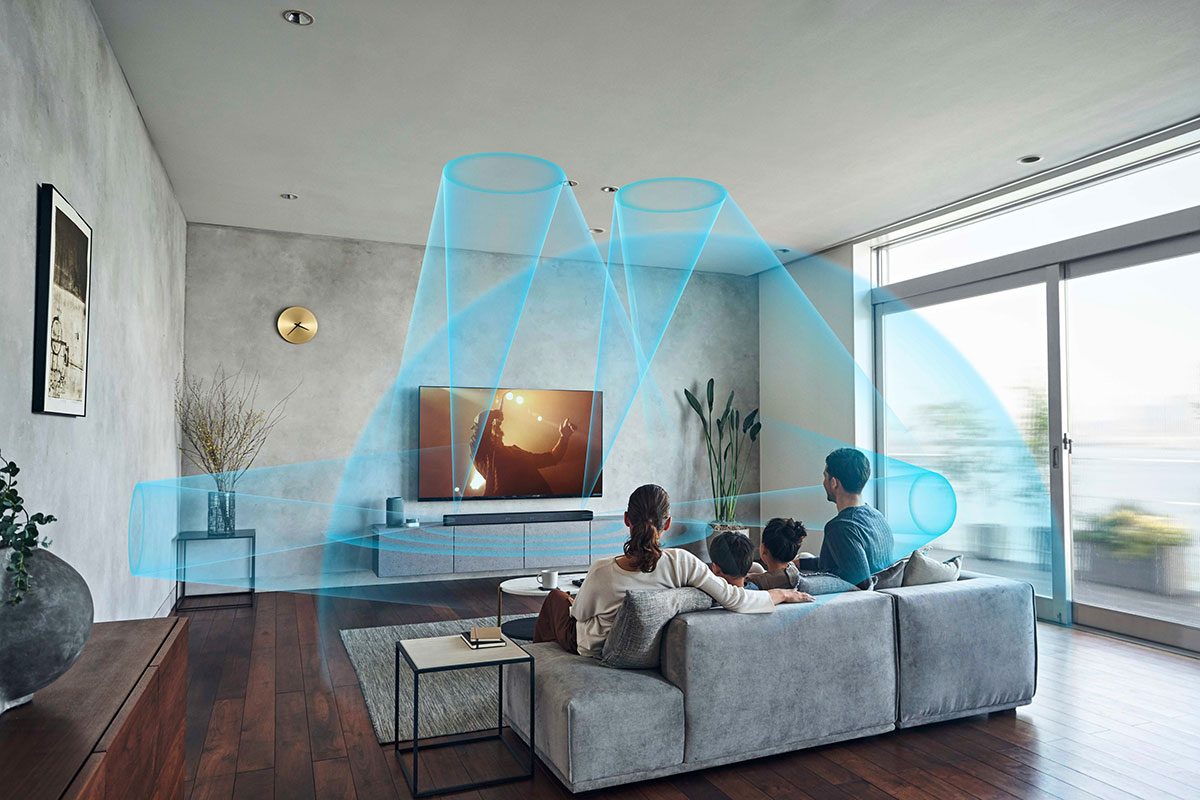
The Sony HT-AX7 is a unique entry in the consumer electronics market, functioning as a battery-powered, Bluetooth-enabled speaker system that utilizes three separate units—a main base and two detachable rear speakers—to create a surround-sound effect. This design leverages Sony’s proprietary 360 Spatial Sound Mapping technology, which aims to generate multiple “phantom” speakers around the listener, effectively simulating a larger soundstage without the need for traditional wired installations. For those interested in the official specifications, Sony’s product page confirms that the system includes built-in battery life rated for up to 30 hours of playback on a single charge.
Understanding 360 Spatial Sound Mapping
At the core of the HT-AX7’s performance is the 360 Spatial Sound Mapping technology. Unlike standard stereo playback, which relies on two fixed channels, this spatial audio approach processes the audio signal to create a wider, more immersive field. By placing the two rear units behind the listener and the main unit in front, the system calibrates the sound to wrap around the user. Here’s particularly relevant for users who frequent modest apartments, dorms, or travel-heavy lifestyles where a permanent 5.1 or 7.1 channel speaker system is impractical.
The system is designed to be highly versatile. When the rear speakers are docked on the main unit, it functions as a single, high-fidelity Bluetooth speaker. When detached, the system automatically enters its spatial mode. This “modular” approach to acoustics reflects a broader trend in the tech industry: the simplification of home cinema. According to Sony’s 2023 press release, the unit was specifically engineered to allow users to enjoy cinematic audio in any room of the house, bypassing the traditional limitations of fixed hardware.
Portability Meets Premium Audio Performance
The shift toward mobile, high-performance audio has brought significant changes to consumer expectations. Users no longer want to sacrifice audio quality for the sake of portability. The HT-AX7 incorporates X-Balanced Speaker Units, which utilize a non-circular diaphragm to increase sound pressure and reduce distortion. This engineering choice is critical for a device that relies on battery power but aims to deliver a “theater-like” experience.

However, it is crucial to manage expectations regarding what “portable theater” means in this context. While the sound stage is significantly wider than a standard Bluetooth speaker, it does not replace a dedicated, high-end Dolby Atmos setup with a discrete subwoofer. It serves as an excellent middle-ground for content consumption on tablets, laptops, and mobile devices. For those curious about how this compares to other portable options, the CNET review of the HT-AX7 highlights that while the system is innovative, its effectiveness relies heavily on the listener’s placement of the rear units within the room.
Key Considerations for Potential Users
If you are considering integrating the HT-AX7 into your setup, there are a few practical factors to keep in mind. The system utilizes Bluetooth 5.2, ensuring a stable connection for most modern devices, but it lacks HDMI input or traditional optical ports. This reinforces its position as a device designed specifically for wireless streaming from mobile devices, tablets, and computers rather than as a permanent replacement for a living room television soundbar.
- Battery Life: The 30-hour rating is impressive for this category, but actual performance may vary based on volume levels and spatial audio processing intensity.
- Connectivity: It is strictly a wireless solution. If your primary goal is connecting to a legacy wired TV setup, this device may not be the optimal choice.
- Spatial Audio: The “phantom speaker” effect works best in smaller, enclosed environments where sound reflections can be managed effectively.
As we continue to track developments in personal audio, companies are moving away from “one-size-fits-all” audio solutions. Whether this modular approach will become the industry standard for portable home cinema remains to be seen, but it is a significant step forward for those who value flexibility without compromising on the depth of their audio experience.
What Happens Next?
Sony continues to iterate on its spatial audio ecosystem, with updates often pushed through the Sony | Headphones Connect app, which also manages settings for the HT-AX7. As of mid-2024, there have been no official announcements regarding a successor or a “Mark II” version of this specific hardware. Updates regarding firmware improvements or new color variants will be shared via official Sony press channels as they become available.
Have you had a chance to test the HT-AX7 in your own home? I would love to hear how you find the spatial audio performance compared to traditional setups. Please leave your thoughts in the comments section below, and feel free to share this article with your fellow tech enthusiasts.
Worth a look