
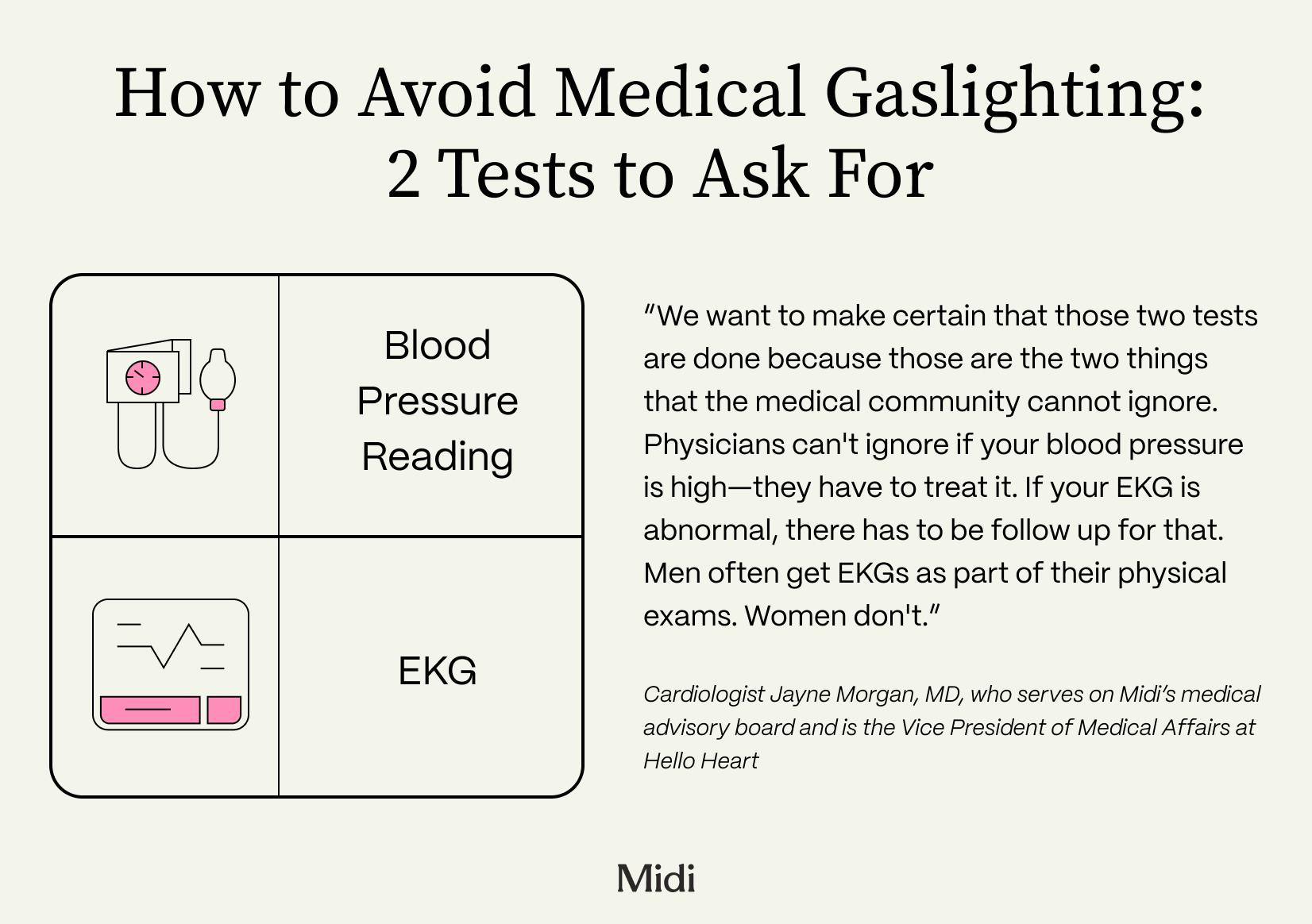
Many women navigating the hormonal shifts of perimenopause and menopause report feeling systematically dismissed by healthcare providers, a phenomenon frequently described as medical gaslighting. Research indicates that a significant gap exists in clinical training regarding these life stages, often leaving patients without clear guidance or effective treatment options for symptoms ranging from cognitive changes to severe mood disturbances. According to the National Institute on Aging, approximately one million American women reach menopause—defined as 12 months without a menstrual period—each year, yet many report that their physical and mental health concerns are frequently misattributed to stress or psychological conditions rather than hormonal transitions.
As a physician and journalist, I have observed that the disconnect between patient experiences and clinical response often stems from a lack of standardized education. A 2023 survey published in the journal of The Menopause Society highlighted that only 31.3 percent of ob-gyn residency program directors reported that their trainees received any specific menopause curriculum. This systemic oversight leaves many practitioners ill-equipped to identify the physiological basis for symptoms such as brain fog, anxiety, and depression, which can significantly impair a patient’s quality of life during their forties and fifties.
The Clinical Gap in Menopause Care
The experience of being unheard in a clinical setting is a common point of frustration for many patients. For instance, Vanessa McGrady, a 55-year-old author based in Burbank, California, reported that her primary care physician failed to offer support or empathy when she presented with symptoms including hair loss, sleep disturbances, and digestive issues. Despite her clear identification of these changes as menopause-related, the physician declined to prescribe hormone therapy and instead suggested the use of herbal supplements. This experience is echoed by many others who find that their symptoms are minimized, a trend that Maya Dusenbery, author of Doing Harm: The Truth About How Bad Medicine and Lazy Science Leave Women Dismissed, Misdiagnosed, and Sick, attributes to a broader failure in the medical community to treat women’s hormonal health with clinical rigor.

When symptoms such as anxiety, depression, or cognitive “brain fog” are present, the likelihood of dismissal increases. Providers may often categorize these issues as standard midlife stress, failing to investigate the role of fluctuating estrogen levels. Research has established that estrogen fluctuations can impact neurotransmitters like serotonin and GABA, which are essential for mood regulation. Dr. Nanette Santoro, chair of obstetrics and gynecology at the University of Colorado in Aurora and a prominent researcher in the field, notes that while women with a history of mental health conditions are at higher risk, those without such histories can also experience intense psychological symptoms during this transition.
Evidence-Based Treatment Options
While the medical community’s response is often criticized, clinical guidelines from The Menopause Society suggest that effective, evidence-based treatments are available. Hormone therapy remains a standard of care for many experiencing vasomotor symptoms like hot flashes, provided the patient is under 60 years old or within 10 years of menopause onset and has no medical contraindications. For those who cannot or choose not to use hormones, several non-hormonal options have been cleared for use, including antidepressants and specific medications like gabapentin and oxybutynin. Recent additions to the therapeutic landscape include fezolinetant and elinzanetant, which target the brain’s thermoregulatory center.

However, safety remains a priority. On December 16, 2024, the U.S. Food and Drug Administration (FDA) issued a warning regarding fezolinetant, noting that it could cause rare but serious liver injury. The agency advised that patients experiencing symptoms such as jaundice, fatigue, or nausea should discontinue the medication immediately. Beyond pharmacological interventions, The Menopause Society also supports the use of cognitive behavioral therapy and clinical hypnosis as effective methods for managing certain menopausal symptoms. Patients who feel their current provider is not taking their concerns seriously are encouraged by experts to seek a second opinion from a specialist, such as those found through the official provider directory maintained by The Menopause Society.
Building Community Through Shared Experience
In the absence of adequate clinical support, many women have turned to peer-led communities to share information and reduce the sense of isolation that often accompanies this transition. Amanda Thebe, a fitness and nutrition coach from Houston, founded the Facebook support group “Menopausing So Hard” after struggling for two years to find a doctor who would connect her symptoms—including vertigo and severe depression—to perimenopause. The group now serves more than 25,500 members as a space to discuss symptoms and navigate the challenges of finding competent care. Thebe’s experience, documented in her book Menopocalypse, underscores the necessity for patients to advocate for themselves when the standard medical pathway proves insufficient.
The importance of timely intervention is supported by emerging research. A study published in 2025 found that women report significant improvements in mental well-being after receiving timely access to hormone therapy. As public discourse around menopause continues to grow, there is an increasing demand for better medical training and a more empathetic approach to patient care. For those currently navigating these changes, the path forward involves both identifying providers who prioritize evidence-based menopause management and maintaining an open dialogue about any new physical or mental health symptoms. Clinical guidelines and further research updates are periodically released by organizations such as The Menopause Society, providing a reliable resource for patients and practitioners alike.
As the medical field continues to evolve, the expectation is that curriculum changes in residency programs will better prepare the next generation of physicians to address the needs of the approximately 75 million women in the United States currently in a menopausal state. Until then, patients are encouraged to utilize resources from organizations like the National Institute on Aging to prepare for consultations and ensure their concerns are documented and addressed.
If you have experienced challenges in finding appropriate care for menopausal symptoms, please share your thoughts or questions in the comments section below. Our editorial team continues to track updates on menopause research and clinical guidelines.
Keep reading