
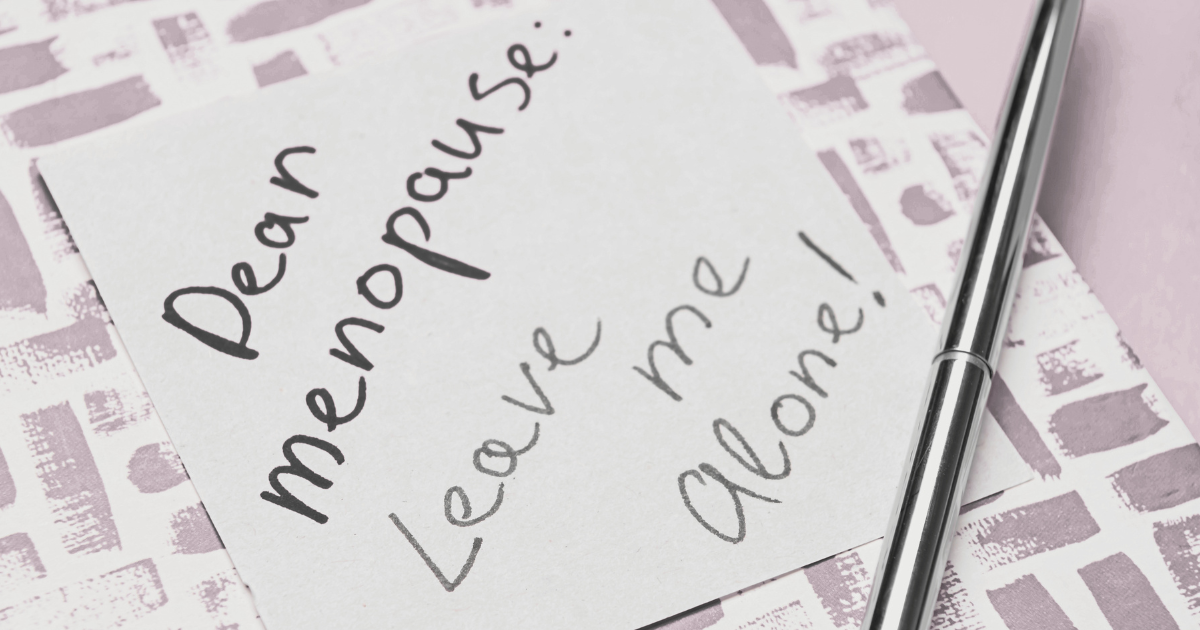
Menopause and sexual health are deeply interconnected, yet these topics remain surrounded by misconceptions that often prevent women from seeking necessary medical guidance. Medically, a woman reaches menopause only after 12 consecutive months without a menstrual period, a milestone that occurs at an average age of 51 in the United States, according to the National Institute on Aging. While this transition marks the end of the reproductive years, it does not signify the end of sexual health or intimacy.
As a physician, I frequently see patients who worry that menopause will inevitably diminish their quality of life. However, clinical evidence suggests that for many, this period can be a time of renewed confidence and physical freedom. By understanding the hormonal shifts occurring within the ovaries—specifically the decline in estrogen and progesterone—women can better manage symptoms and maintain their sexual well-being, as reported by the Menopause Society.
Understanding the Transition: Perimenopause to Postmenopause
The transition toward menopause, known as perimenopause, is characterized by the ovaries gradually slowing their production of eggs and hormones. During this time, menstrual cycles often become irregular, though pregnancy remains possible until a full year has passed since the last period. According to the American College of Obstetricians and Gynecologists, the decline in estrogen is the primary driver of physical changes, including vaginal dryness and shifts in sexual desire.
It is a clinical reality that menopause affects every woman differently. While some experience minimal disruption, others face symptoms such as hot flashes, sleep disturbances, and mood swings that may impact daily life. When menopause is induced suddenly—through surgical removal of the ovaries, chemotherapy, or radiation—the physical and emotional adjustment can be significantly more intense than in cases of natural menopause. Physicians emphasize that early consultation during the perimenopausal years is essential for establishing a baseline for long-term health, particularly regarding bone density and cardiovascular wellness.
Managing Sexual Health and Intimacy
Sexual health after menopause is not a “one-size-fits-all” experience. While some women report a decrease in libido due to lower estrogen levels and reduced vaginal blood flow, others report an increase in sexual satisfaction, often attributed to the elimination of pregnancy concerns and fewer child-rearing responsibilities. As noted by the Mayo Clinic, vaginal dryness is a common, treatable condition that can cause discomfort during intercourse.

For those experiencing discomfort, clinical guidelines suggest several evidence-based approaches:
- Water-soluble lubricants: These provide immediate relief during intercourse. It is important to note that oil-based lubricants can weaken latex condoms, increasing the risk of breakage, according to the Centers for Disease Control and Prevention.
- Vaginal moisturizers: Unlike lubricants used only during sex, these are applied regularly to improve the moisture and elasticity of vaginal tissue.
- Low-dose vaginal estrogen: When over-the-counter options are insufficient, prescription-strength localized estrogen—available as creams, rings, or tablets—can effectively restore vaginal tissue health by increasing blood flow and lubrication.
Addressing Common Myths and Necessary Precautions
One persistent myth is that the risk of sexually transmitted infections (STIs) disappears after menopause. This is factually incorrect. According to the CDC, STIs do not discriminate by age. Older adults who are sexually active, particularly those with new partners, should continue to practice safer sex to prevent infections such as HIV, syphilis, or HPV. Because the thinning of vaginal tissue during menopause may increase susceptibility to microscopic tears, the risk of transmission can actually be higher if protection is not used.
Furthermore, patients should be cautious regarding “alternative” or herbal supplements marketed for menopause relief. Many of these products lack rigorous scientific evidence to support their claims and may interact dangerously with prescribed medications. Always consult a healthcare provider before starting any new supplement regimen. If you experience postmenopausal bleeding—defined as any vaginal bleeding occurring after the 12-month cessation of periods—you must seek medical evaluation immediately, as this can be a clinical indicator of underlying conditions that require professional diagnosis, per the American College of Obstetricians and Gynecologists.
When to Seek Professional Support
Do not settle for a “so-so” sex life or assume that discomfort is a mandatory part of aging. If sexual difficulties persist, speak with your physician. Modern medicine offers a variety of solutions, including hormone replacement therapy (HRT), specialized counseling, or referrals to sexual health professionals. Mental health also plays a significant role in sexual functioning; therapy—whether individual or in a support group—has been shown to be highly effective in managing the emotional complexities of this life stage.

The medical community continues to update guidelines on hormone therapy and its long-term safety profile. Patients interested in these options should schedule a consultation to discuss their specific medical history and risk factors. For ongoing updates on women’s health research and clinical recommendations, I encourage readers to follow the official portals of the Menopause Society. Please feel free to leave your questions or share your experiences in the comments section below, as open dialogue is the first step toward breaking the stigma surrounding this natural phase of life.