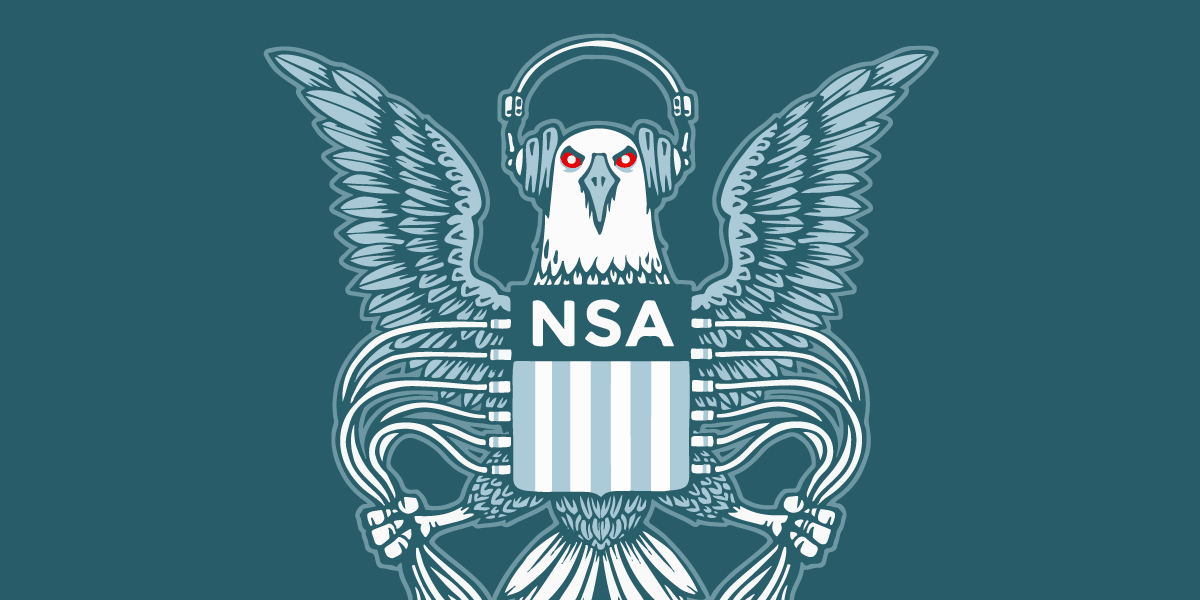
The legal authority for Section 702 of the Foreign Intelligence Surveillance Act (FISA) expired at midnight on June 12, 2026, after Congress failed to reach a consensus on reauthorization. This lapse halts the U.S. government’s ability to compel electronic communication service providers to assist in the warrantless surveillance of non-U.S. persons located abroad, a program that has long drawn scrutiny for its incidental collection of data belonging to American citizens.
The expiration follows a period of legislative deadlock in Washington. While Congress had previously utilized short-term extensions to keep the program operational, the most recent attempt at renewal stalled amid heightened political tension. The debate over Section 702 has centered on the “backdoor search” loophole, which allows the Federal Bureau of Investigation (FBI) to query databases of collected communications for information on Americans without obtaining a probable-cause warrant, according to the Office of the Director of National Intelligence.
Legislative Standoff and Political Context
The current impasse in Congress is tied to broader debates regarding executive oversight and the appointment of high-level intelligence officials. Lawmakers have expressed significant reservations regarding the administrative structure of the program, particularly concerning the potential for abuse of surveillance authorities. According to records from the U.S. Congress, bipartisan groups have increasingly demanded reforms, specifically requesting a warrant requirement for queries that target U.S. persons.

The legislative tension intensified following recent shifts in cabinet-level nominations, which prompted members of both the House and the Senate to withhold support for reauthorization bills. Without a formal extension signed into law, the legal framework that permits the National Security Agency and other intelligence bodies to utilize Section 702 has effectively reached its statutory expiration date. The Department of Justice has historically maintained that the program is essential for national security, yet the legislative branch remains divided on how to balance these intelligence needs with privacy protections.
Why the Warrant Requirement Remains the Central Point of Contention
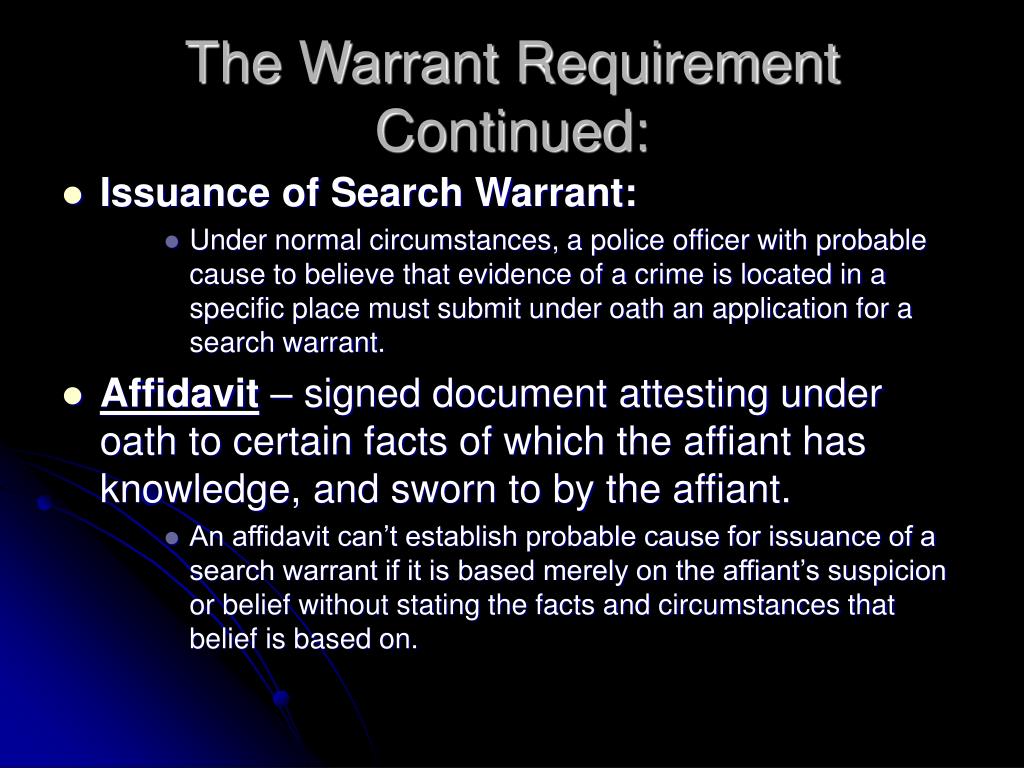
For years, civil liberties advocates and a coalition of privacy-focused lawmakers have argued that the current implementation of Section 702 violates the Fourth Amendment. The core of the disagreement involves the FBI’s practice of searching for information on U.S. citizens within data streams originally collected for foreign intelligence purposes. As documented by the Foreign Intelligence Surveillance Court, there have been documented instances where such queries were conducted without meeting standard judicial thresholds.
The argument for reform rests on the premise that the government should be required to seek a warrant before accessing the private digital communications of Americans, regardless of how that data was initially captured. Supporters of this requirement, including members of the House Judiciary Committee, argue that without these guardrails, the risk of “backdoor” surveillance remains too high for the program to continue in its current form. Conversely, intelligence officials have cautioned that imposing a warrant requirement could slow the government’s response time in time-sensitive counterterrorism and cybersecurity investigations.
What Happens Next?
With the authority for Section 702 now expired, the immediate future of the program depends on whether Congress can negotiate a compromise that satisfies both security requirements and privacy concerns. Congressional leadership has not yet announced a schedule for a new vote, and the legislative calendar remains fluid. Historically, when FISA authorities have lapsed, the government has sought to maintain operational continuity through emergency judicial orders or temporary legislative fixes, though the current political climate has made such outcomes less certain.
Citizens and interested parties can track upcoming legislative developments and official hearing transcripts through the U.S. Senate and U.S. House of Representatives official portals. As the situation evolves, the impact on intelligence operations and the status of ongoing surveillance programs will likely be the subject of upcoming briefings. Readers are encouraged to monitor these official sources for updates on when or if a reauthorization bill will be introduced for further debate.
Worth a look