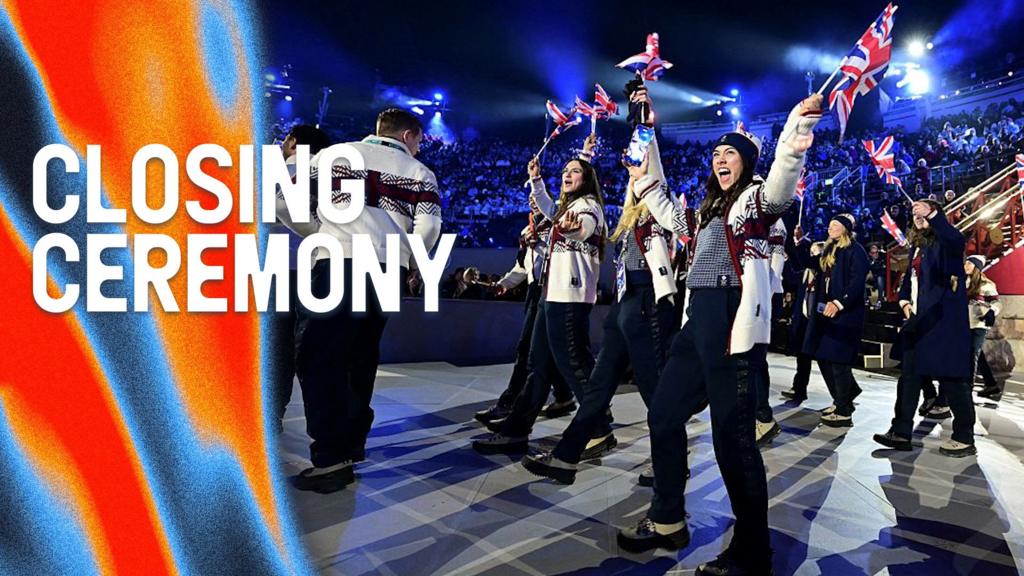
The 2026 Winter Olympics concluded on Sunday in Milan and Cortina d’Ampezzo, marking the end of a two-week global sporting event that featured over 2,500 athletes competing in 116 medal events. The closing ceremony, held at the Verona Arena, served as an official handover to the organizers of the 2030 Winter Games in the French Alps, signaling the formal transition of the Olympic flame.
According to the International Olympic Committee (IOC), the ceremony highlighted the cultural heritage of the host regions while celebrating the athletic achievements of the participating national delegations. The event was characterized by artistic performances and the traditional parade of nations, bringing a close to the first Winter Games hosted across multiple cities in Italy.
Athletic Milestones and Medal Standings
The 2026 Games saw intense competition across 15 winter disciplines. Norway concluded the event at the top of the medal table, reflecting a sustained trend in winter sports dominance for the nation. The final medal counts, as verified by official Olympic results databases, show a competitive distribution among major winter sports powers including Germany, the United States, and host nation Italy.

The success of the games was measured not only by podium finishes but by the logistical execution of events spread across various venues in Lombardy and the Veneto region. The IOC confirmed that the 2026 Winter Olympics maintained strict adherence to the Olympic Agenda 2020+5, which prioritizes the use of existing venues to reduce the environmental and economic footprint of the Games.
The Handover to the French Alps 2030
A central component of the closing ceremony was the ceremonial transfer of the Olympic flag from the mayors of Milan and Cortina to the representatives of the French Alps, the confirmed hosts for the 2030 Winter Games. This tradition marks the beginning of the four-year cycle leading up to the next winter iteration of the international competition.
The French delegation, supported by the French government, has already initiated the planning phases for 2030. These preparations are subject to the oversight of the IOC’s Coordination Commission, which ensures that future host cities meet established sustainability and infrastructure benchmarks before the opening ceremony in four years.
Legacy and Infrastructure Impact
The impact of the 2026 Games on the host cities remains a subject of ongoing analysis. Infrastructure improvements, particularly in transportation links between Milan and the mountain clusters of Cortina, were designed to provide long-term utility beyond the two-week event. According to reports from the Milan-Cortina 2026 Organizing Committee, the focus was on delivering a “Games for everyone,” emphasizing accessibility and the integration of the event into the existing urban and regional landscape of northern Italy.

For athletes and fans alike, the 2026 Games provided a platform for international cooperation. While the competition on the ice and slopes was intense, the closing ceremony emphasized the “Olympic spirit” as a unifying force, a theme consistently highlighted by IOC President Thomas Bach during his concluding remarks to the assembly.
Future Checkpoints for the Olympic Movement
As the curtains close on the 2026 Winter Olympics, the focus of the sports world shifts toward the upcoming Olympic cycles. The next major milestone for the movement is the 2028 Summer Olympics in Los Angeles, which will test new organizational models for summer sports. For the Winter Games, the French Alps 2030 organizers are expected to release their initial site-readiness reports and venue development timelines by late 2026.
Readers interested in the ongoing legacy of the 2026 Games or the preparations for 2030 can track official updates through the IOC’s official digital portal. We invite our readers to share their thoughts on the standout performances of these Games in the comments section below.