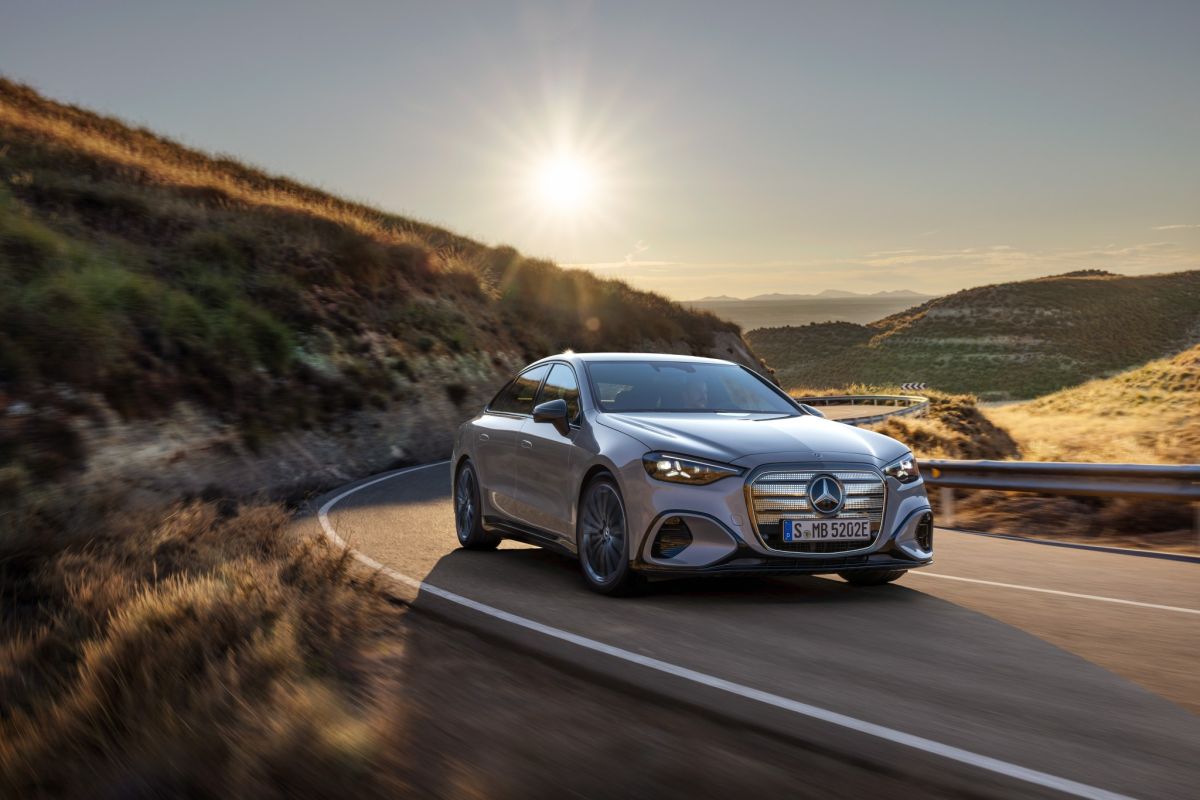
Mercedes-Benz Group AG reported an increase in second-quarter profit, demonstrating resilience across its core automotive divisions despite ongoing supply chain pressures and shifting macroeconomic conditions worldwide. According to financial data released by the company, the German luxury car manufacturer maintained robust margins through a strategic focus on high-end vehicles and disciplined cost management.
For investors tracking the global automotive sector, the latest financial disclosures provide a clear benchmark of how premium brands are navigating inflationary headwinds and fluctuating demand for electric vehicles. Dr. Olivia Bennett, business editor at World Today Journal, notes that luxury automakers have increasingly prioritized profitability over sheer volume, shielding their balance sheets from broader market volatility.
Market analysts monitoring the luxury segment point to steady pricing power and favorable product mixes as primary drivers behind the positive quarterly performance. While broader industrial sectors face margin compression, established premium manufacturers continue to leverage brand loyalty to offset rising component and labor costs.
Financial Performance and Margin Resilience
The second-quarter earnings report detailed steady revenue streams, anchored by robust demand for top-end luxury models and electric vehicle offerings. According to corporate financial disclosures published on the official Mercedes-Benz investor relations portal, earnings before interest and taxes (EBIT) reflected the company’s ability to sustain pricing discipline across major geographic markets.
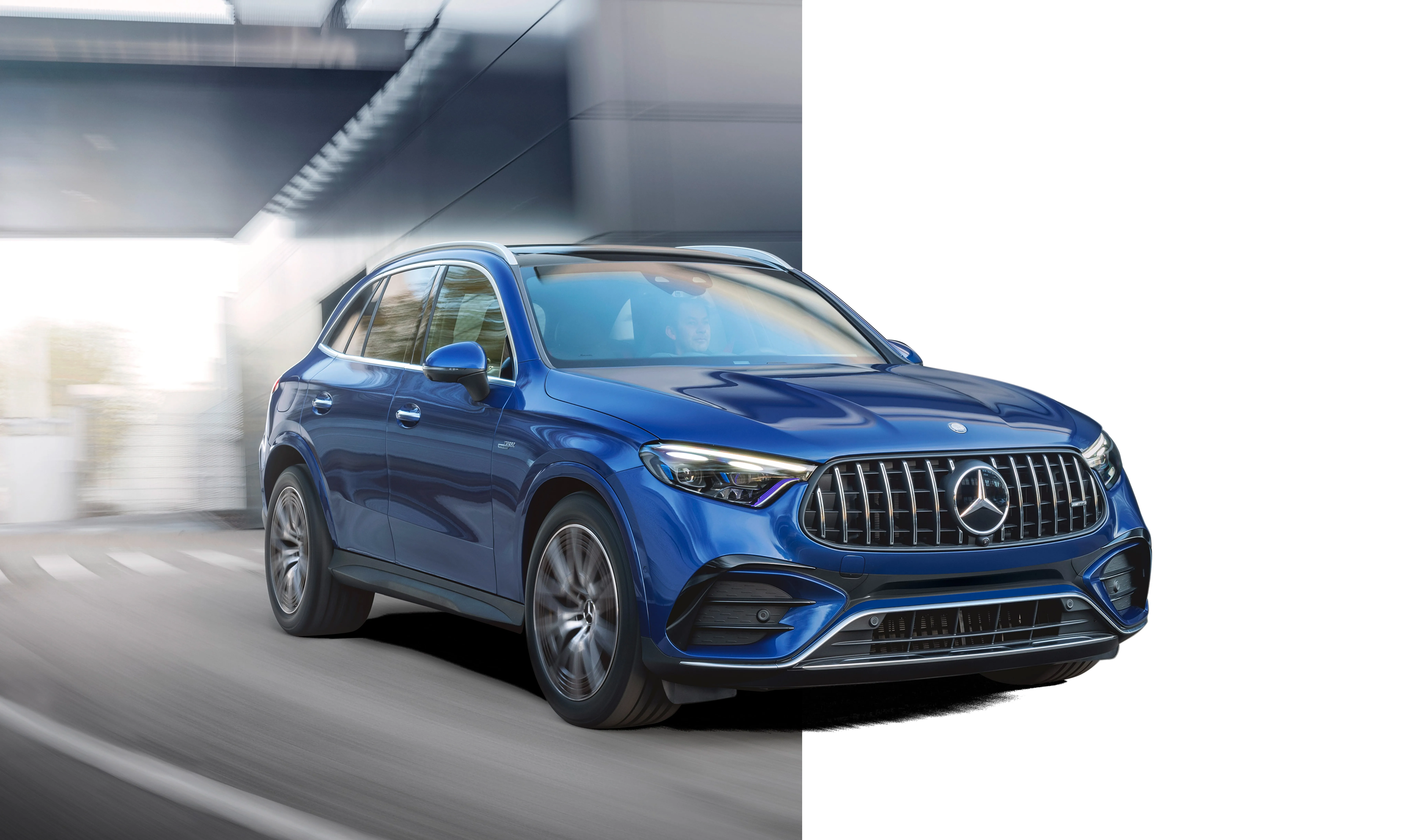
Operating margins remained within the automaker’s projected target corridor, supported by sustained interest in flagship sedans and sport utility vehicles. Financial reports filed with regulatory bodies indicate that stringent fixed-cost controls implemented over previous fiscal quarters have successfully cushioned the company against cyclical downturns in regional manufacturing hubs.
Industry observers emphasize that automotive profitability now depends heavily on software integration, digital services, and customized vehicle options. Mercedes-Benz management highlighted ongoing investments in proprietary vehicle architectures and battery technology as essential components of its long-term financial strategy.
Global Market Dynamics and Supply Chain Factors
Navigating international trade dynamics remains a critical priority for European automakers. Supply chain bottlenecks that plagued the industry in previous years have largely normalized, allowing production lines to operate with greater predictability and reduced logistical expenses.

Demand patterns varied across key regions during the quarter. While certain European markets experienced cautious consumer spending amid elevated borrowing costs, robust appetite in North America and select Asian economies helped stabilize delivery volumes. According to corporate sales updates, electrified vehicle adoption continued its gradual upward trajectory, aligning with regulatory mandates and shifting consumer preferences.
Competitors in the luxury segment have adopted similar strategies, focusing on margin protection and technological innovation. Analysts suggest that disciplined production scheduling prevents inventory gluts, allowing manufacturers to protect residual vehicle values and sustain healthy dealer networks.
Strategic Outlook and Corporate Guidance
Looking ahead, Mercedes-Benz leadership reaffirmed its full-year financial outlook, assuming no major macroeconomic shocks or severe disruptions to international trade routes. The company’s strategic roadmap centers on accelerating its transition toward full electrification while maintaining flexibility to produce combustion-engine and hybrid models based on regional market demand.
Stakeholders will closely watch upcoming regulatory updates and shareholder meetings for further details on capital allocation, dividend payouts, and research and development expenditures. Official financial statements and upcoming reporting dates are accessible directly through the Mercedes-Benz Investor Relations center.
As the automotive sector adapts to evolving environmental standards and digital transformation, the second-quarter results underscore the viability of premium-focused business models. Readers are encouraged to share their insights or join the discussion in the comments section below.
Keep reading