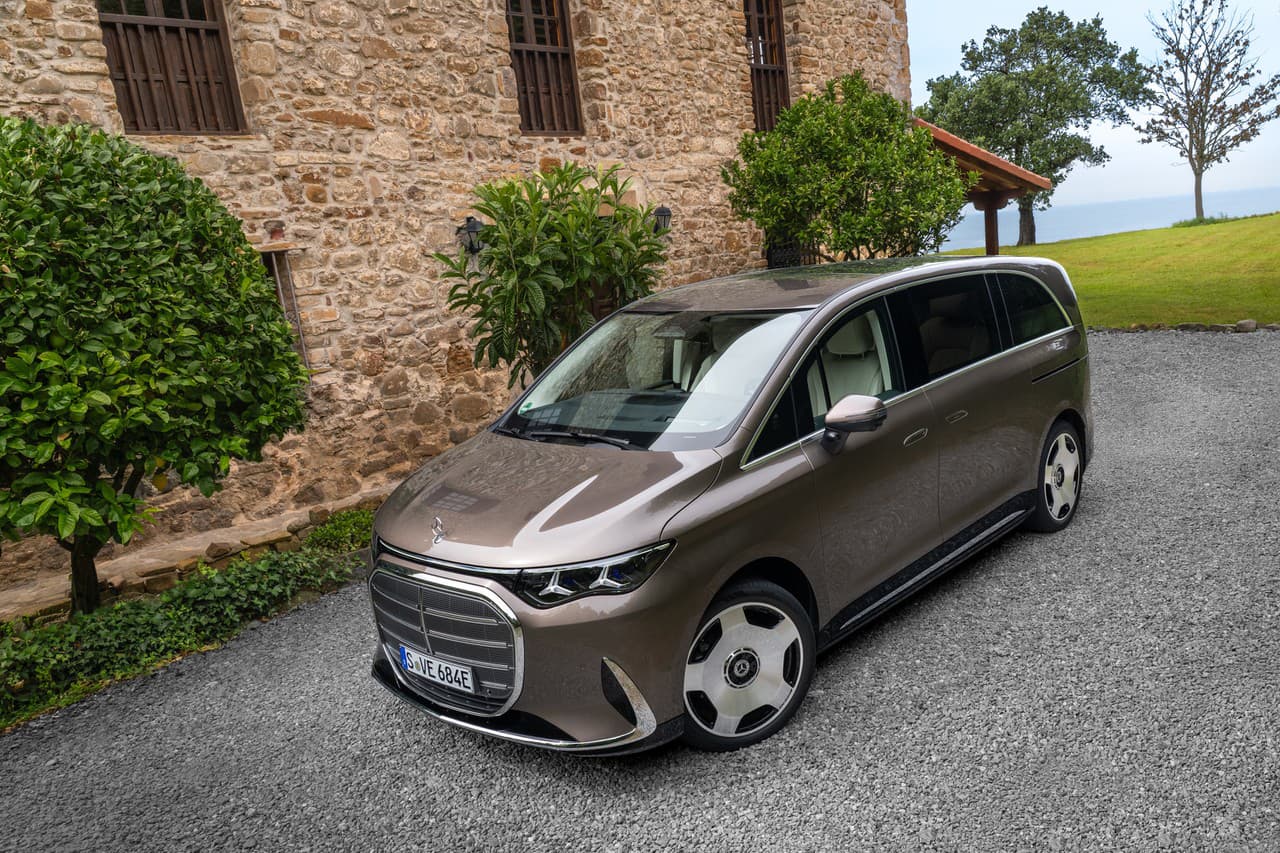
Mercedes-Benz is refining its electric vehicle strategy as the automotive industry shifts toward premium, long-range battery electric vehicles (BEVs), with industry observers noting the potential development of a dedicated electric MPV, often referred to in trade reports as the VLE. While Mercedes-Benz has not officially confirmed a specific model under the “VLE” designation, the manufacturer continues to expand its EQ portfolio, aiming to bridge the gap between commercial utility and luxury passenger transport, according to official corporate filings regarding their electrification roadmap.
For potential buyers and fleet operators, the question remains whether an electric multi-purpose vehicle (MPV) can effectively serve as a reliable platform for long-distance travel. Current market trends suggest that the integration of 800-volt charging architectures and improved energy density in battery packs are the primary drivers for making such large-format vehicles viable for intercity transit, as detailed in recent Reuters reports on the company’s evolving EV goals.
The Evolution of Mercedes-Benz Electric Mobility
Mercedes-Benz has historically utilized the V-Class platform to cater to luxury shuttle services and family-oriented transport. Transitioning this segment to a fully electric architecture requires a delicate balance between aerodynamics and interior volume. Unlike traditional sedans, the boxy silhouette of an MPV creates significant wind resistance, which traditionally impacts range at highway speeds. However, advancements in software-defined vehicle platforms allow for better thermal management and energy efficiency, which the company claims is central to its “Electric Only” strategy, as outlined in their 2023 Annual Report.
The industry is watching how Mercedes-Benz handles the trade-off between battery weight and passenger capacity. In an MPV, keeping the vehicle within manageable weight classes is essential for both performance and regulatory compliance in regions like the European Union, where vehicle weight impacts road tax and safety certification protocols. Official data from the European Automobile Manufacturers’ Association (ACEA) indicates that as EVs grow in size, the demand for high-speed, high-capacity charging infrastructure becomes a critical bottleneck for long-distance adoption.
Technical Challenges for Electric MPVs
Long-distance travel in an electric MPV presents two primary hurdles: charging frequency and aerodynamic drag. While modern EVs are increasingly capable of covering 400 to 500 kilometers on a single charge under WLTP testing cycles, real-world highway driving often reduces this range significantly. To mitigate this, Mercedes-Benz is reportedly focusing on increasing the charging speed of its future platforms, aiming to reduce stop times to under 20 minutes for a 10% to 80% charge, a target discussed in recent Bloomberg financial analyses.
Furthermore, the shift toward electric platforms allows for a flat floor design, which significantly increases interior versatility compared to internal combustion engine (ICE) predecessors. This space efficiency is a key selling point for the premium segment, where comfort is prioritized alongside technological features. The ability to offer a “lounge-like” experience during charging stops is becoming a central theme in the marketing of luxury electric vehicles.
Market Positioning and Future Outlook
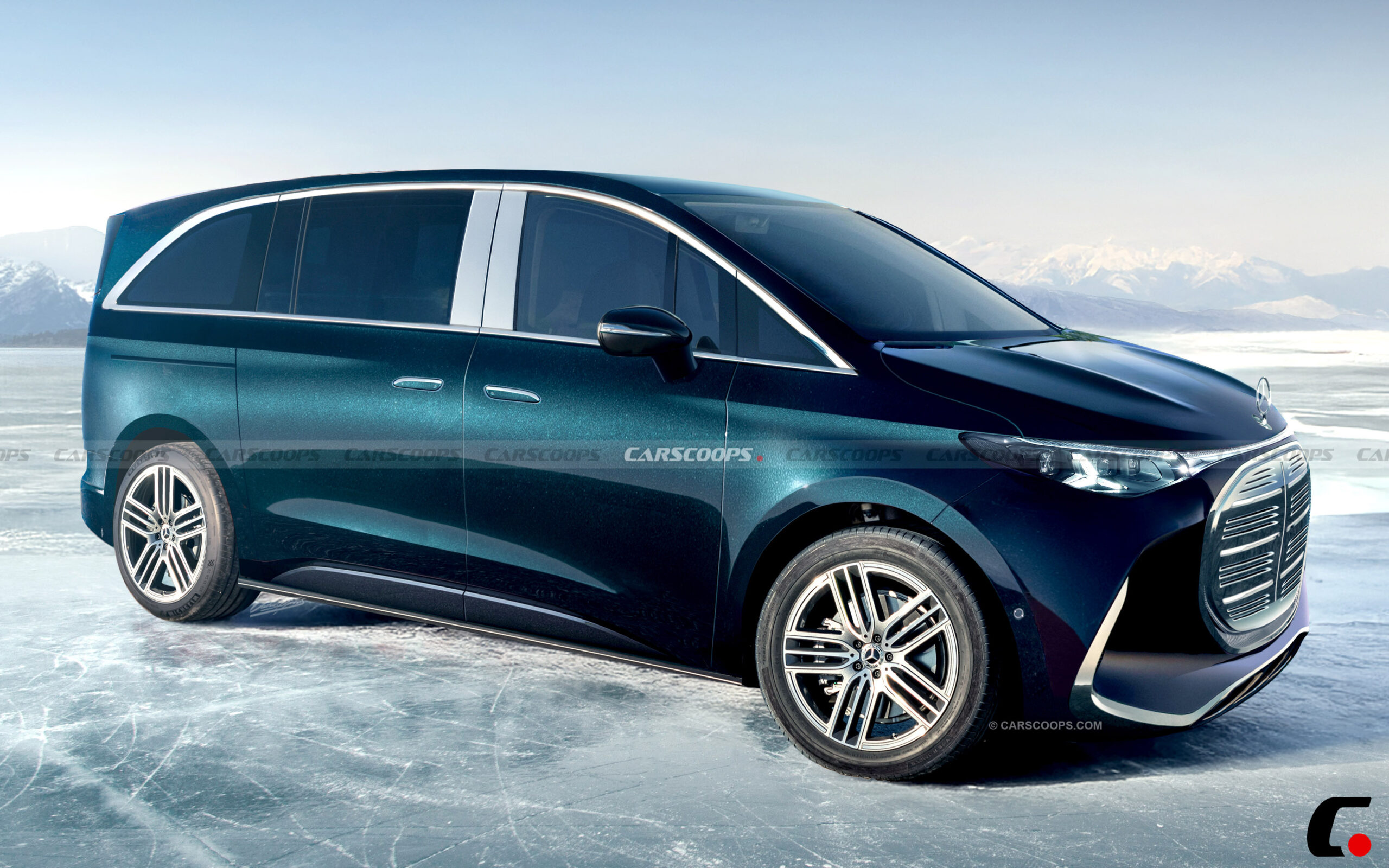
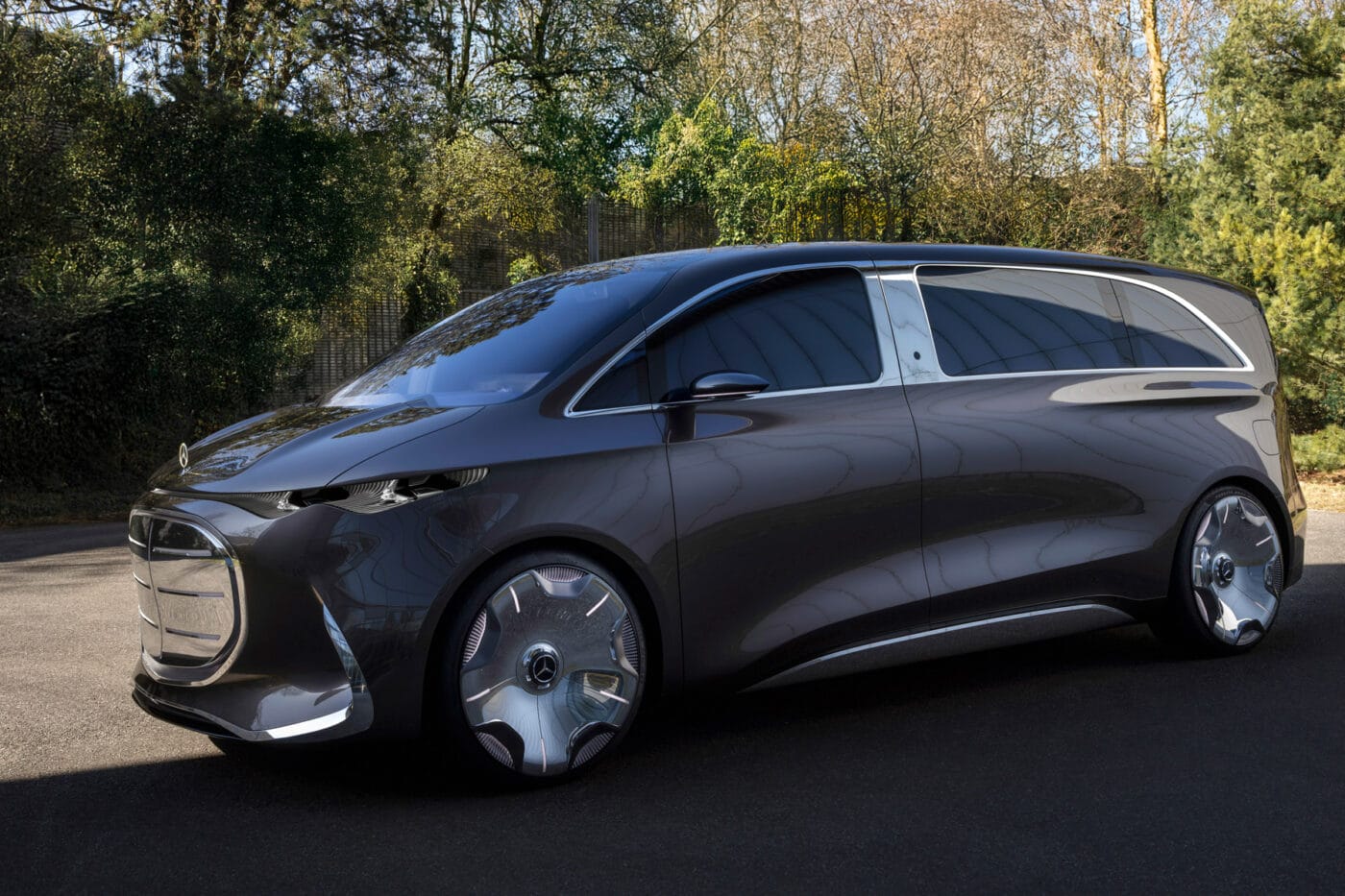
The potential VLE model would likely sit alongside the EQV in the company’s lineup, though a shift to a dedicated electric-only architecture (often referred to as VAN.EA in internal Mercedes-Benz documentation) would mark a significant departure from the current practice of modifying existing ICE chassis, according to official company press releases regarding their modular van architecture. This platform is specifically designed to maximize efficiency and range, addressing the limitations that early-generation electric vans faced.
Investors and analysts are currently monitoring how Mercedes-Benz manages its capital expenditure as it balances the development of these new EV platforms against persistent demand for high-margin combustion engine vehicles. The company’s latest quarterly financial disclosures highlight a cautious approach to EV scaling, emphasizing flexibility in production lines to adapt to market fluctuations. For the consumer, this means the arrival of high-performance, long-range electric MPVs will be contingent on both technological maturity and the continued expansion of public charging networks across global markets.
The next major update regarding Mercedes-Benz’s van electrification strategy is expected during the upcoming annual general meeting, where the company typically outlines its R&D priorities and production timelines. Readers interested in the latest developments are encouraged to monitor the official Mercedes-Benz Media Site for verified announcements and technical specifications. We welcome your thoughts on the future of electric travel in the comments section below.
Related reading