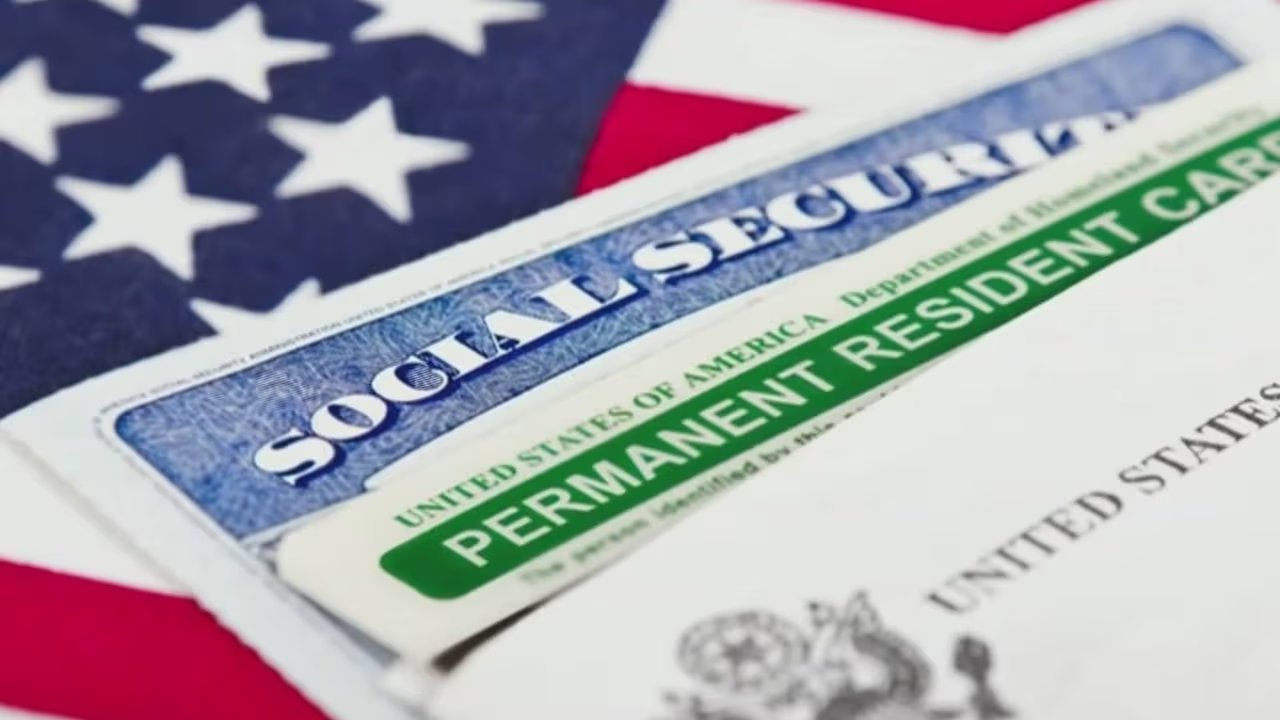
The U.S. Supreme Court has ruled that border agents can deny re-entry to lawful permanent residents (LPRs) holding green cards even when returning from temporary travel abroad, significantly expanding immigration enforcement discretion in a decision that could affect tens of thousands of individuals annually. The 5-4 ruling, announced June 23, 2024, overturns long-standing legal protections that required individualized suspicion before denying re-entry to LPRs who had committed minor infractions or spent extended periods outside the U.S.
The decision stems from a case involving Ramirez v. Department of Homeland Security, where a federal appeals court had ruled that Customs and Border Protection (CBP) agents lacked the authority to turn away green card holders without demonstrating a specific security or public-safety concern. The Supreme Court’s reversal grants broad discretion to agents at ports of entry, potentially subjecting LPRs to detention and deportation proceedings even for technical violations like overstaying a visa or failing to carry documentation.
According to the majority opinion authored by Justice Neil Gorsuch, the ruling clarifies that “the statutory text does not require individualized suspicion before denying admission to lawful permanent residents.” The decision effectively aligns LPRs with nonimmigrant visa holders in terms of re-entry enforcement, though it stops short of granting agents the same powers they have over undocumented migrants.
How the Ruling Changes Green Card Holder Re-Entry Rules
Before this decision, LPRs enjoyed a presumption of admissibility when returning to the U.S. from temporary travel, provided they carried their green card and met basic documentation requirements. The new ruling eliminates this presumption, requiring green card holders to demonstrate they are “clearly and beyond a doubt” admissible—a standard that immigration attorneys warn will be difficult to meet in practice.

Key changes include:
- No individualized suspicion required: Agents can now deny re-entry based on general policies or even minor infractions, such as overstaying a visa by days or failing to provide proof of employment.
- Expanded detention authority: LPRs turned away at ports of entry can be placed in removal proceedings, where they must prove their admissibility—a process that can take months or years.
- Broader discretion for agents: The ruling grants CBP officers the same latitude to deny admission that they previously had only for nonimmigrant visa holders, creating a two-tiered system within the legal permanent resident category.
Immigration advocates warn the decision could disproportionately affect communities of color, low-income workers, and those with limited English proficiency, who may struggle to navigate the new enforcement protocols. The American Civil Liberties Union (ACLU) has criticized the ruling as a “dangerous expansion of executive power” that undermines due process protections for lawful residents.
Who Is Affected by the Supreme Court Decision?
While the ruling applies to all lawful permanent residents, certain groups are at higher risk of being targeted under the new enforcement policies:
- Travelers with expired passports or missing documentation: LPRs who have lost their green card or whose passport has expired may face automatic denial, even if they can prove their identity through alternative documents.
- Individuals with minor criminal records: Those with past misdemeanors or even sealed juvenile records could be flagged for additional scrutiny, as the ruling allows agents to consider “any grounds of inadmissibility” without individualized assessment.
- Long-term overseas residents: LPRs who have spent extended periods abroad (e.g., students studying overseas or workers on international assignments) may struggle to prove continuous residence in the U.S., a key requirement for maintaining green card status.
- Non-English speakers: Language barriers could exacerbate enforcement issues, as agents may deny admission if an LPR cannot immediately explain their travel history or provide required documentation.
According to Department of Homeland Security (DHS) data, approximately 1.2 million green card holders travel internationally each year. While most return without incident, the new ruling could lead to a sharp increase in detentions and deportation proceedings for those who encounter issues at ports of entry.
What Happens Next for Green Card Holders?
The immediate impact of the ruling will be felt at U.S. ports of entry, where CBP agents are expected to begin applying the new standards within 30 days. Legal experts recommend that LPRs take the following precautions:
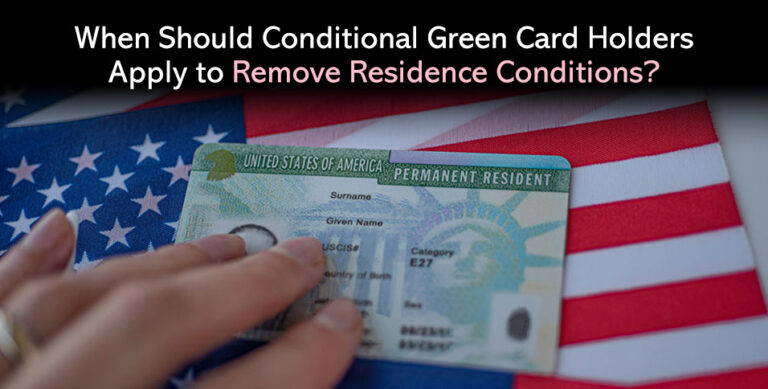
- Carry multiple forms of identification: In addition to a green card, LPRs should carry a passport, birth certificate, and employment verification documents to avoid denial due to missing paperwork.
- Avoid prolonged absences: Extended trips abroad (especially those exceeding 6 months) could trigger additional scrutiny under the new rules.
- Consult an immigration attorney before travel: Those with criminal records or complex travel histories should seek legal advice to assess their risk of denial.
- Monitor CBP updates: The agency is expected to release updated guidance on enforcement protocols in the coming weeks. The CBP Newsroom will post official statements.
For those who are denied re-entry, the process for regaining admission will become more complex. LPRs may need to apply for a waiver of inadmissibility through U.S. Citizenship and Immigration Services (USCIS), a process that can take months and requires proof of extreme hardship to a qualifying U.S. citizen or LPR relative. The I-212 waiver application is already backlogged, and the new ruling could exacerbate delays.
How the Ruling Compares to Previous Immigration Enforcement Policies
The Supreme Court’s decision marks a significant shift in how LPRs are treated at the border. Unlike prior administrations, which often focused enforcement on undocumented migrants, the current policy blurs the lines between nonimmigrant visa holders and green card holders—a group previously considered “lawfully present.”
Comparison of Key Enforcement Policies:
| Policy Era | Target Group | Re-Entry Standards | Individualized Suspicion Required? |
|---|---|---|---|
| Pre-2017 (Obama Era) | Undocumented migrants, some LPRs with criminal records | LPRs generally admitted unless flagged for specific issues | Yes (for most LPRs) |
| 2017–2020 (Trump Era) | Nonimmigrant visa holders, some LPRs with minor infractions | Expanded “extreme vetting” for all travelers, including LPRs | No (for nonimmigrants); mixed for LPRs |
| 2021–2024 (Biden Era, pre-ruling) | Undocumented migrants, LPRs with serious criminal records | LPRs admitted unless clear grounds for inadmissibility | Yes (for most LPRs) |
| Post-June 2024 (Current) | All LPRs, even with minor infractions | Denial allowed without individualized suspicion; “clearly and beyond a doubt” standard | No (for LPRs) |
The table above highlights how the new ruling aligns LPRs more closely with nonimmigrant visa holders in terms of enforcement discretion. While the Trump administration introduced stricter vetting for all travelers, the current decision goes further by removing the legal safeguards that previously protected green card holders from arbitrary denial.
Reactions from Legal Experts and Advocacy Groups
Reactions to the ruling have been sharply divided along political and legal lines:
“This ruling is a devastating blow to due process for lawful permanent residents. The Court has effectively given border agents a blank check to detain and deport green card holders based on nothing more than a hunch.”
— Lee Gelernt, Deputy Director of the ACLU Immigrants’ Rights Project
“The Supreme Court has correctly interpreted the law to give CBP the tools it needs to protect the border. Lawful permanent residents who overstay visas or fail to meet basic documentation requirements should not be granted automatic re-entry.”
— Mark Krikorian, Executive Director of the Center for Immigration Studies (a conservative think tank)
The American Immigration Lawyers Association (AILA) has warned that the ruling could lead to a surge in erroneous denials, particularly for LPRs who lack legal representation. “Many green card holders will be turned away without understanding their rights or how to appeal the decision,” said AILA President Nancy Morawetz in a statement.
What Green Card Holders Should Do Now
Given the immediate uncertainty, LPRs should take proactive steps to minimize risks:

- Review travel documentation: Ensure your green card is up to date, and carry a valid passport and secondary ID (e.g., driver’s license, employment verification).
- Consult an immigration attorney: If you have a criminal record—even a minor one—seek legal advice before traveling internationally.
- Monitor CBP updates: The agency is expected to release updated enforcement guidelines. Check the CBP Newsroom regularly.
- Prepare for potential delays: If denied entry, be ready to apply for an I-212 waiver, which requires proof of extreme hardship to a U.S. citizen or LPR relative.
- Consider alternative travel plans: If you have a history of travel issues, explore options like applying for U.S. citizenship to avoid future re-entry risks.
Next Steps: When Will New Enforcement Policies Take Effect?
The Supreme Court’s ruling is effective immediately, but full implementation will depend on CBP’s internal processes. Legal experts expect:
- 30-day transition period: CBP is likely to roll out updated training and guidance for agents before enforcing the new standards.
- Increased scrutiny at high-traffic ports: Airports like JFK, LAX, and Miami International, which handle large volumes of international travel, may see the earliest changes.
- Potential backlogs in waiver processing: USCIS is already overwhelmed with I-212 applications; the new ruling could lead to longer processing times.
- Possible legislative response: Some lawmakers have signaled interest in introducing bills to limit the ruling’s impact, though no concrete proposals have been announced.
The next major checkpoint will be the release of CBP’s updated enforcement guidelines, expected within the next 30 days. Until then, LPRs should assume that border agents will apply the new standards with broad discretion.
This ruling marks a significant shift in U.S. immigration policy. If you’re a green card holder planning international travel, share your concerns in the comments below—or help others understand their rights by sharing this article.
- Arizona Gov. Katie Hobbs Picks Former GOP Mayor John Giles as Running Mate in Bipartisan Move
- Editorial Cartoon: Latest News & Current Events Illustrated
- Court Orders School to Maintain Student Refund Account: Legal Ruling Explained (archyworldys.com)
- Compal Expands AI Server Production in Taiwan, Vietnam, and US (world-today-news.com)