Navigating the Complexities of Online Speech and Legal Boundaries: The Case of Graham Linehan
The recent arrest of comedian Graham Linehan following posts on social media has ignited a crucial debate surrounding free speech, online safety, and the boundaries of acceptable discourse. This case isn’t simply about one individual; it highlights a growing tension between expressing opinions and possibly inciting harm. Let’s unpack the situation and explore the wider implications.
The Arrest and Initial Reactions
Linehan was arrested on suspicion of causing harassment and alarm, stemming from messages posted on X (formerly Twitter). These posts, perceived by some as critical of a transgender activist, prompted a police investigation and subsequent charges. Understandably, the arrest sparked a wide range of reactions.
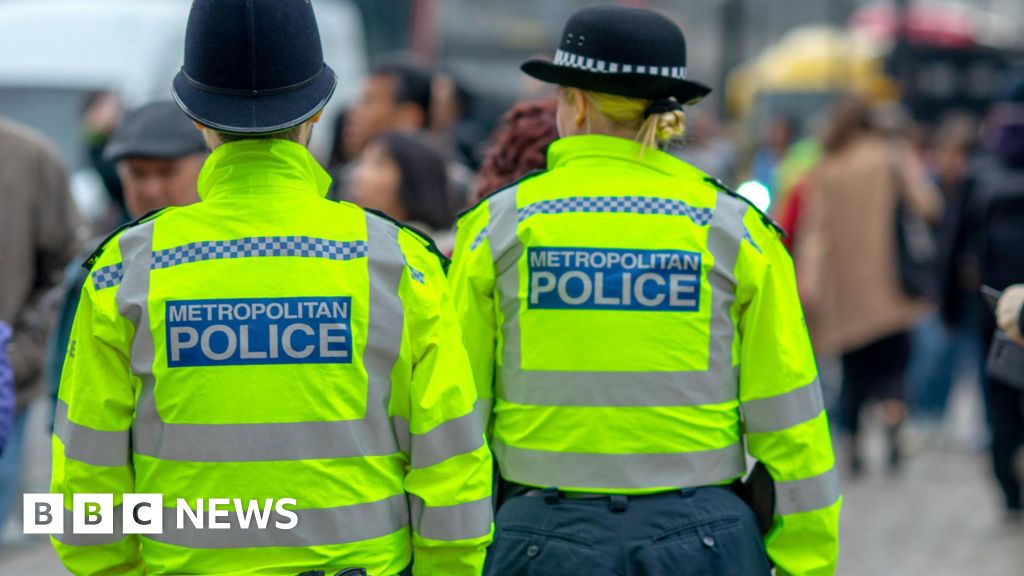
The head of the Metropolitan Police initially defended the officers’ actions, acknowledging the sensitivity surrounding the incident. He recognized the public concern, particularly regarding the balance between freedom of expression and the potential for real-world violence. Simultaneously, calls for clarity in the existing legislation were voiced, suggesting a need for updated guidelines in the digital age.
Political figures also weighed in. The Prime Minister emphasized the importance of police focusing on the most serious offenses. Simultaneously occurring, opinions diverged, with some characterizing the posts as unacceptable and the arrest as proportionate, while others called for a broader review of public order statutes.
The Legal Landscape and Incitement to Violence
Here’s what you need to understand: inciting violence is and should remain a criminal offense. Though, defining where protected speech ends and incitement begins is incredibly complex. The legal framework surrounding online speech is constantly evolving, struggling to keep pace with the speed and reach of social media.
I’ve found that a key challenge lies in interpreting intent. Was the intention to genuinely incite violence, or was it a poorly worded, albeit offensive, expression of opinion? This distinction is critical, and often arduous to prove.
Several factors are considered, including:
* The context of the speech: Where was it posted? Who was the intended audience?
* The likelihood of violence: Is there a credible threat of imminent harm?
* The speaker’s intent: Did they actively encourage violence, or simply express a controversial viewpoint?
A Separate case and Ongoing Legal Proceedings
Beyond the social media posts, Linehan is also facing charges of harassment and criminal damage in a separate case.This matter has been adjourned until late October, and he has been released on bail. It’s crucial to remember that these are ongoing legal proceedings, and Linehan maintains his innocence.
Why This Matters to You
This case isn’t just about Graham Linehan. It’s about yoru right to express yourself online, and the duty that comes with that right. It’s about ensuring a safe online habitat while safeguarding fundamental freedoms.
Here are a few key takeaways:
* Be mindful of your online communication. Words have power, and even seemingly harmless comments can have unintended consequences.
* Understand the legal boundaries. Familiarize yourself with the laws regarding hate speech and incitement to violence in your jurisdiction.
* Engage in respectful dialog. Even when disagreeing with others, strive for constructive conversation rather than inflammatory rhetoric.
The Linehan case serves as a stark reminder of the delicate balance we must strike between free speech and public safety. As technology continues to evolve,so to must our understanding of these complex issues. It’s a conversation we all need to be a part of.
Keep reading