Gaza’s Uneasy Pause: A Raw Account of Life Under Ceasefire from Palestinian Poet Baraa’h Qandeel
The recent ceasefire in Gaza, while offering a temporary reprieve from relentless conflict, has been met not with relief, but with a weary skepticism by many Palestinians. A powerful new episode of the PalCast podcast, titled “The Ceasefire adn Counting Our Losses,” delves into this complex reality, featuring the poignant voice of Baraa’h Qandeel, a Palestinian poet, translator, and marketing professional from Gaza. Qandeel’s firsthand account offers a vital perspective often missing from mainstream coverage – a glimpse into the emotional and practical landscape of a people navigating survival amidst ongoing trauma.
But what does a ceasefire mean when the underlying conditions of hardship and occupation remain? And how do communities begin to process immense loss when formal mourning feels like an impractical luxury? This article explores these questions, drawing heavily from Qandeel’s conversation with PalCast hosts Yousef and Tony, and contextualizing it within the broader realities facing Gaza today.
A Ceasefire marked by distrust and Continued Occupation
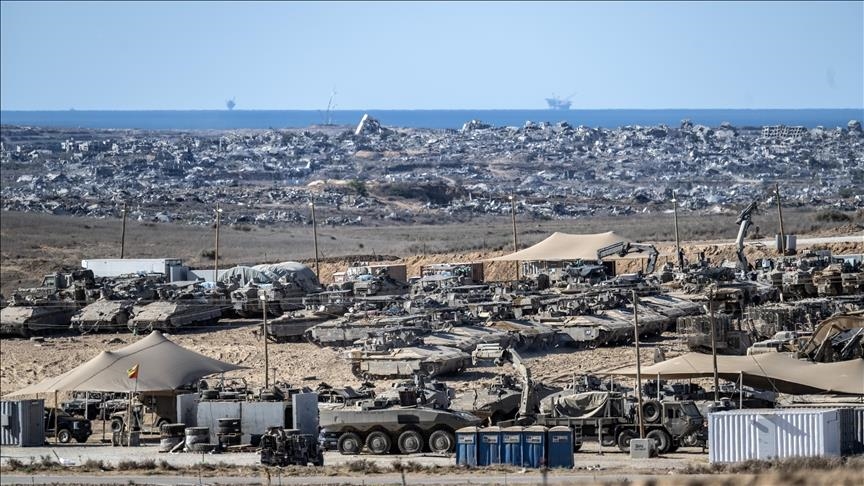
Qandeel’s experience underscores a critical point: for many Gazans, this ceasefire feels less like a step towards peace and more like an “uneasy pause.” Years of broken truces and unfulfilled promises have fostered deep distrust. Despite the agreement, Israeli forces continue to maintain a meaningful presence within Gaza, and reports of continued shootings near residential areas persist.
This ongoing occupation fundamentally undermines any sense of security or hope.As Qandeel explains, it’s tough to believe in genuine peace when life remains under siege. This sentiment echoes findings from organizations like the United Nations Relief and Works Agency for Palestine Refugees (UNRWA),which consistently highlights the precarious living conditions and limited freedom of movement experienced by Palestinians in Gaza.
The Weight of Loss and the Search for Collective Healing
The PalCast episode doesn’t shy away from the horrific realities uncovered in the wake of the conflict. Disturbing reports of bodies returned by Israel bearing signs of torture and alleged organ removal have fueled outrage and deepened grief. Qandeel shares harrowing stories of imprisonment and loss, including the case of a 24-year-old man who spent over a year in Israeli jails.
In the face of such trauma,Gazans are turning to each other for support. Qandeel describes “triggering sessions” - informal gatherings were friends process memories, losses, and trauma together. These sessions are born out of necessity, a way to cope when formal mourning processes are inaccessible. This highlights the critical need for mental health support in Gaza, a need often overshadowed by the immediate demands of survival. Organizations like the Palestine Trauma Center are working to address this gap, providing vital psychological services to those affected by conflict.
A Humanitarian Crisis Persists
Beyond the emotional toll, Gaza continues to grapple with a severe humanitarian crisis. Food and medicine remain scarce, and while prices have begun to decrease slowly, they remain prohibitively high for many. Border closures continue to restrict the flow of essential goods and limit access to healthcare and other vital services.
This situation is exacerbated by the ongoing economic hardship. The World Bank reports that Gaza’s economy has been severely impacted by the conflict, with unemployment rates soaring and poverty levels increasing. qandeel’s own experience reflects this reality, noting the profound impact of the crisis on her creative work. Her poetry, she says, has become “raw, stripped of distance, and heavy with emotion,” a testament to the all-encompassing nature of the suffering.
You can listen to the full episode,”The Ceasefire and Counting Our Losses,” on Apple Podcasts and Spotify.
Evergreen Insights: The Resilience of Palestinian Storytelling
The story of Baraa’h Qandeel and the experiences shared on PalCast underscore the enduring power of Palestinian storytelling. Throughout decades of conflict and displacement, Palestinian literature, poetry, and art have served as vital forms of resistance
Related reading