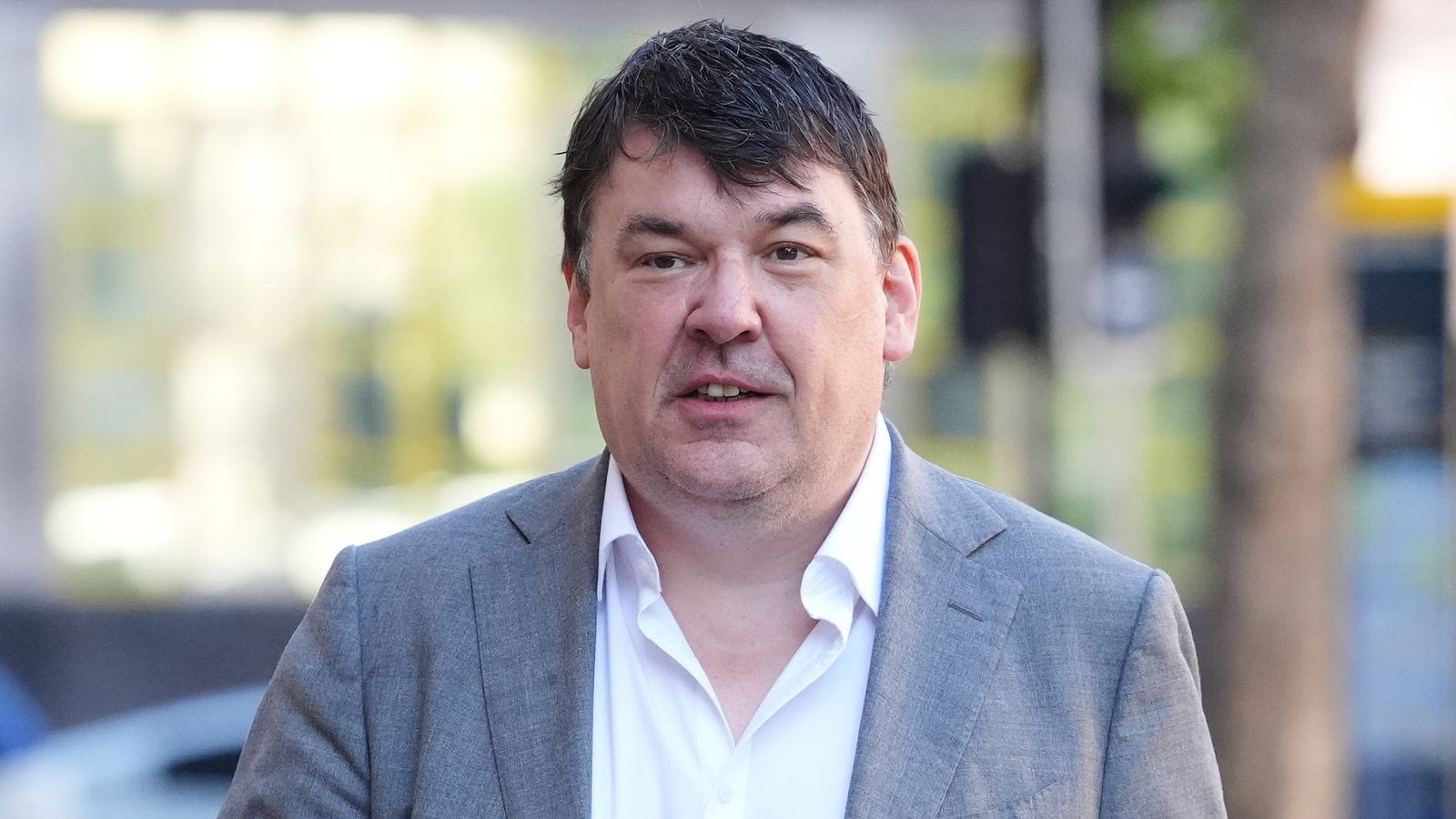
Met Police Drop Case Against Graham Linehan, Shift Focus From ‘Toxic Culture War Debates’
The metropolitan Police have dropped their inquiry into comedy writer Graham Linehan following his arrest at heathrow Airport in September. He was initially detained on suspicion of inciting violence based on three posts made on X (formerly Twitter) concerning transgender issues. This development coincides with a broader shift in the Met’s approach to online speech, aiming to prioritize traditional crime and clarify the boundaries of policing online debates.
Key Takeaways:
* Linehan Case Dismissed: No further action will be taken against Graham Linehan regarding the social media posts.
* Focus on Real Crime: The Met Police are refocusing resources on tackling tangible offenses like violent crime, antisocial behavior, and theft.
* Review of Non-Crime Hate Incidents: A national review, led by the National Police Chiefs’ Council and College of Policing, is expected in December to provide clearer guidance on handling non-crime hate incidents.
A Difficult Landscape for Law Enforcement
Met Police Commissioner Sir Mark Rowley previously acknowledged the “unachievable position” officers faced when navigating online statements. Existing laws surrounding inciting violence online were deemed ambiguous, leading to concerns about overreach and the policing of opinions. The decision to move away from investigating non-crime hate incidents aims to address this ambiguity and provide officers with clearer direction.
“The police should focus on tackling real crime and policing the streets,” stated a spokesperson for Sir Keir Starmer, reflecting a sentiment shared across the political spectrum. The Home Secretary requested an expedited review to ensure police forces have the clarity needed to effectively maintain public safety.
What Changes for You and Your Community?
This shift doesn’t mean all reported incidents will be ignored. The Met Police will continue to record non-crime hate incidents. Though, these records will be used as intelligence gathering tools to identify potential patterns of behavior or escalating criminal activity.
Essentially,the threshold for police intervention is being raised. The focus will be on actions that meet the legal definition of a crime, rather than speech that, while perhaps offensive, doesn’t directly incite violence.
* Clearer Guidelines: Officers will have more defined parameters for investigating online activity.
* Reduced Ambiguity: The new approach aims to minimize subjective interpretations of online speech.
* Prioritized Resources: More police time and resources will be dedicated to addressing traditional crime.
National Implications & Political Response
Justice minister Sarah Sackman welcomed the Met’s decision, emphasizing the importance of focusing on crimes that directly impact communities, such as phone snatching and muggings. While acknowledging that other police forces will need to determine the best course of action for their own areas, she suggested a nationwide focus on violent crime and antisocial behavior would be beneficial.
The move has sparked debate about the balance between free speech and protecting vulnerable groups. Though, the core argument centers on ensuring law enforcement resources are used effectively and that policing remains focused on demonstrable harm.
Looking Ahead:
The December review is crucial. Its findings will likely shape national policing guidelines regarding online speech and hate incidents. You can stay informed about the review’s progress and findings through the National Police Chiefs’ Council and College of Policing websites.
Sources:
* https://news.sky.com/story/politics-latest-starmer-labour-maccabi-gaza-tax-12593360
Keep reading