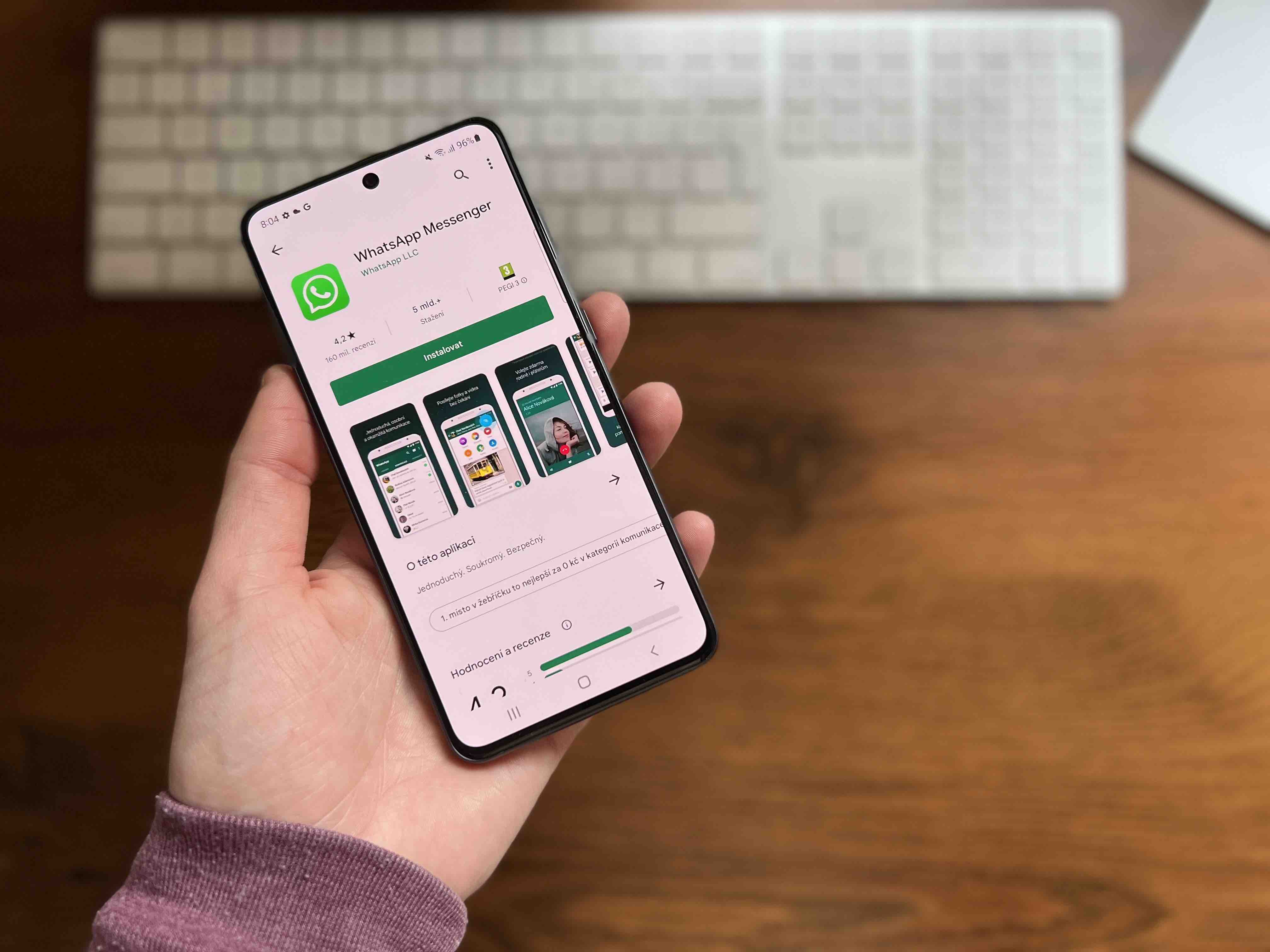
Meta has expanded its paid subscription tier for WhatsApp to select regions in Europe, introducing a low-cost upgrade that costs less than the average price of a cup of coffee. The rollout follows months of industry speculation and limited regional testing, marking a significant shift in how the platform monetizes its massive user base. According to reports from technology analysts, the newly structured subscription model aims to provide power users and businesses with enhanced digital tools while keeping the core messaging service free for billions of everyday consumers globally.
The optional tier arrives as tech regulators across the European Union closely monitor Meta’s data handling and monetization strategies. Users who opt into the paid service gain access to a bundle of six distinct functional features designed to streamline communication workflows and expand device integration. While Meta has not yet mandated subscription fees for standard personal messaging, the introduction of this paid structure creates a new financial tier within an application historically known for its zero-cost model.
Industry observers note that the pricing strategy is deliberately positioned to minimize friction for potential subscribers. By pricing the monthly tier below the cost of a standard café beverage, the company aims to test price elasticity and feature demand across diverse demographic markets. The development underscores a broader trend among major social and communication platforms seeking sustainable revenue streams beyond traditional digital advertising.
What the Paid WhatsApp Tier Offers Users
The subscription package bundles six specific functional upgrades tailored for users who manage high volumes of correspondence or require advanced device synchronization. According to platform updates reviewed by digital technology researchers, these features focus primarily on multi-device management, customized chat organization, and elevated account security measures. Subscribers can link additional companion devices to a single primary account without experiencing synchronization delays or connectivity drops, addressing a common constraint reported by power users.
In addition to expanded device linking, the paid tier introduces enhanced administrative tools for managing contact lists and broadcast messages. Users gain access to priority customer support channels and custom link creation tools designed for small business operators who rely on the application for client communication. These specialized additions reflect Meta’s ongoing effort to bridge the gap between casual consumer messaging and commercial productivity software.
Data privacy and user control remain central to the platform’s rollout framework. Meta confirmed that core end-to-end encryption standards continue to apply uniformly across both free and paid accounts, ensuring that message contents remain private. Technical analysts emphasize that the subscription fees purchase functional productivity upgrades rather than fundamental security privileges, distinguishing this model from privacy-focused alternative messaging applications.
Regulatory Scrutiny and Market Impact in Europe
The rollout in select European territories places the subscription model directly under the purview of regional digital watchdogs and competition authorities. European Union regulators have maintained rigorous oversight regarding how technology conglomerates bundle services and handle consumer data. According to compliance filings and regulatory statements, authorities are evaluating whether the tiered pricing structure complies with the Digital Markets Act and established consumer protection statutes.
Market researchers suggest that the European launch serves as a crucial testing ground for potential global expansion. If the subscription model achieves sustainable adoption rates without triggering severe regulatory pushback, Meta could introduce similar paid tiers in North America and Asia-Pacific markets. Competitors in the secure messaging sector are closely monitoring the rollout to gauge consumer willingness to pay for software features that have traditionally remained free.
Consumer advocacy groups have urged transparency regarding subscription terms, automatic renewal policies, and cancellation procedures. As digital platforms transition toward mixed monetization models combining advertising with optional subscriptions, regulatory bodies continue to demand clear disclosures regarding data usage and service limitations. The ongoing dialogue between tech developers and European regulators will likely shape the future trajectory of premium software features across the industry.
Next Steps for the Subscription Rollout
Meta has indicated that availability for the paid WhatsApp tier will gradually extend to additional European markets following the initial regional rollout. Technical teams are monitoring server performance and user feedback to refine feature stability before authorizing wider geographic distribution. Consumers and businesses interested in checking availability can review official account settings within the application or consult Meta’s primary support portal for regional updates.
As the platform continues its phased deployment, technology researchers expect further disclosures regarding subscription pricing tiers and enterprise integration options. Readers are encouraged to share their perspectives on the new paid tier and join the ongoing discussion in the comments section below.
Keep reading