/data/photo/2023/06/09/64827fdbd2ef2.jpg)
Meta Platforms Inc. Has initiated a significant reduction in its workforce, a move that underscores the company’s intensified focus on artificial intelligence as its primary engine for future growth. Following reports of approximately 8,000 employees being impacted by the restructuring, CEO Mark Zuckerberg has communicated a strategic shift aimed at streamlining operations to prioritize high-priority AI initiatives. This decision reflects a broader trend among major technology firms that are reallocating capital toward generative AI and large-scale infrastructure projects to maintain competitive dominance in a rapidly evolving digital economy.
For the remaining workforce, the organizational transition brings both uncertainty and a clearly defined path forward. Zuckerberg’s communication to staff has emphasized two central pillars of the company’s current strategy: the optimization of internal processes to foster innovation and a commitment to maintaining long-term stability for those continuing at the firm. As Meta navigates this period of consolidation, investors and employees alike are closely monitoring how the company balances its massive capital expenditure on AI with the need for operational efficiency and talent retention.
The Strategic Pivot Toward Artificial Intelligence
The recent workforce reductions are inextricably linked to Meta’s aggressive capital allocation strategy. According to public financial disclosures and industry reporting, the company is prioritizing massive investments in AI-related infrastructure, including data centers and high-performance computing hardware. This shift is not merely a cost-cutting measure but a fundamental realignment of the company’s business model. By reducing its headcount, Meta aims to eliminate bureaucratic layers, allowing its remaining engineering teams to focus exclusively on developing proprietary AI models and integrating these technologies into its suite of social media platforms.
This reallocation of resources is occurring against a backdrop of shifting investor sentiment. While Meta has long been a leader in digital advertising, the transition to an AI-first organization requires significant upfront costs. Analysts note that while the move is intended to secure long-term profitability, it also reflects the immense pressure on large-cap tech companies to demonstrate tangible returns on their massive AI investments. The current consolidation phase is a direct response to these market expectations, as the firm seeks to prove that its leaner structure can deliver higher output in the competitive AI landscape.
Impact on Workforce and Organizational Culture
The departure of 8,000 employees represents a substantial change in Meta’s corporate environment. For those who remain, the transition involves navigating new internal workflows designed to accelerate the pace of product development. The “two promises” highlighted in internal communications center on, first, a commitment to increased transparency regarding the company’s long-term vision, and second, an assurance that the remaining team will be provided with the necessary resources and autonomy to execute the firm’s redefined objectives. By focusing on these areas, management hopes to stabilize morale and retain top-tier talent during a period of volatility.
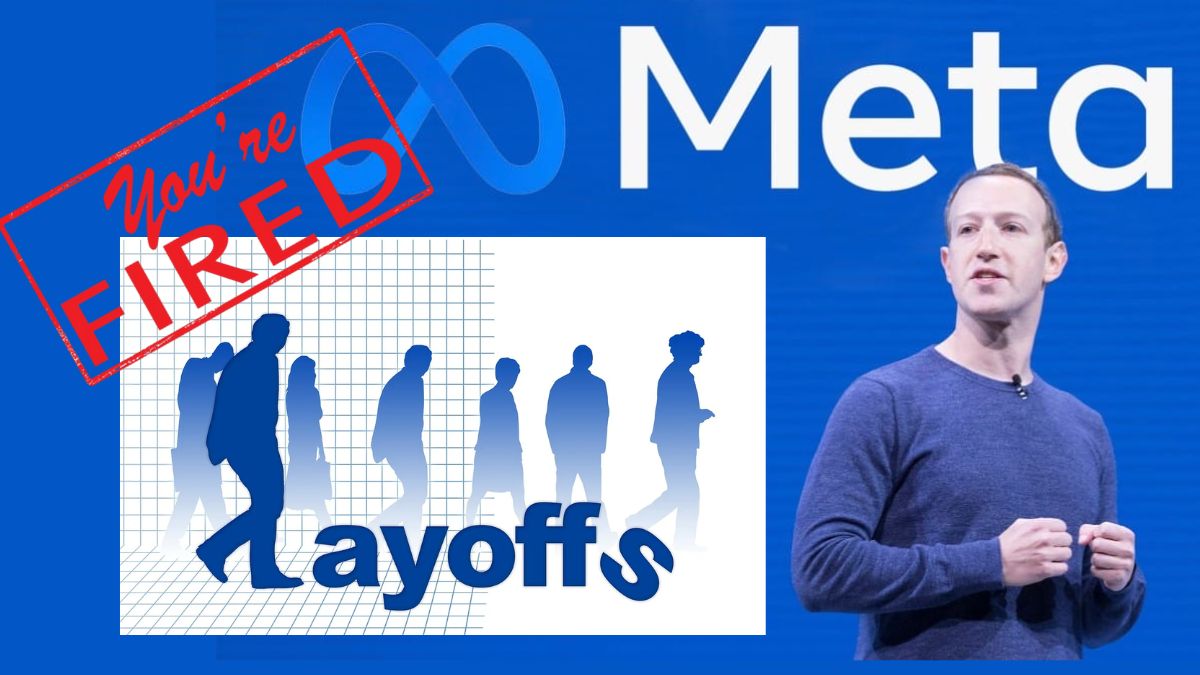
The process of organizational restructuring is rarely seamless. Industry experts suggest that the success of this pivot depends heavily on how effectively the company can maintain its innovation culture after a reduction of this magnitude. Maintaining institutional knowledge while simultaneously pivoting toward new technologies remains a key challenge for leadership. As Meta continues to adjust its operations, the company’s ability to communicate these changes clearly will be critical in maintaining the trust of its global workforce and stakeholders.
Market Context and Future Outlook
Meta’s recent maneuvers are reflective of a broader economic environment where technology firms are recalibrating their growth expectations. Economic data points to a cooling in certain sectors, while others—particularly those driven by rapid advancements in automation and AI—continue to show resilience. For instance, in other high-growth markets like Singapore, the integration of AI has been cited as a contributing factor to economic expansion during the first quarter of 2026, highlighting the global scale of this technological shift.

Investors remain attentive to how these shifts impact stock performance and long-term valuation. Recent adjustments in institutional holdings, such as those reported by firms like Thrivent Financial for Lutherans, underscore the cautious optimism with which the market views these large-scale pivots. As Meta moves into the next phase of its AI-centric roadmap, the focus will likely shift from the disruption of the workforce to the delivery of new AI-powered products and revenue streams. The company’s upcoming quarterly earnings calls and shareholder meetings will serve as the next primary checkpoints for assessing the efficacy of this strategy.
We invite our readers to share their perspectives on the evolving landscape of the technology sector and the implications of AI-driven restructuring. How do you see these changes affecting the long-term trajectory of major digital platforms? Join the conversation in the comments section below.
Keep reading