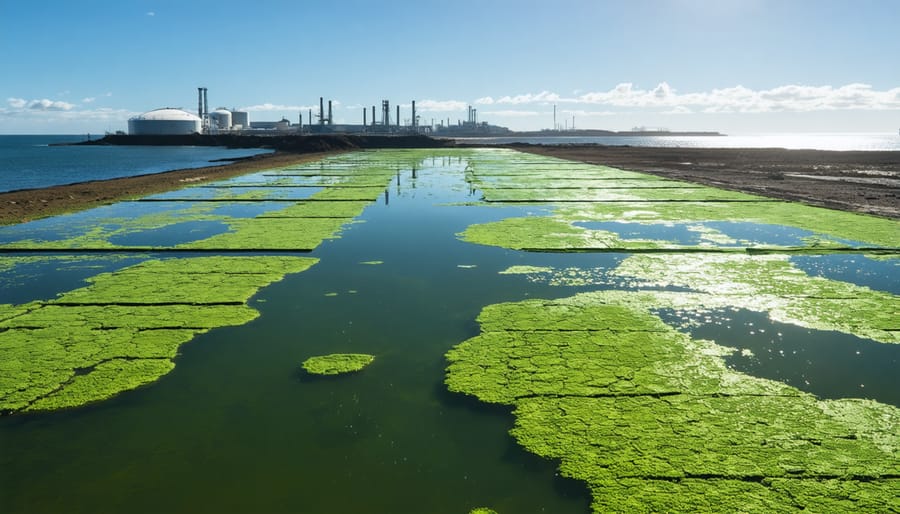
As Australia intensifies its efforts to decarbonize its transport sector, the search for sustainable alternatives to traditional fossil fuels has turned toward a microscopic solution: algae. While previous generations of biofuels—often derived from food crops—have faced significant criticism for their environmental footprint and land-use conflicts, researchers are increasingly looking at microalgae as a high-potential feedstock for renewable diesel and sustainable aviation fuel (SAF).
The transition to clean energy in Australia is a critical component of the nation’s broader climate commitments. According to the Australian Renewable Energy Agency (ARENA), the country faces a unique challenge in decarbonizing heavy transport and aviation due to the vast distances involved and the current limitations of battery-electric technology for long-haul operations. As of May 2026, the potential for algae to serve as a sustainable aviation fuel feedstock remains a subject of active research, focusing on its ability to grow in non-arable land and utilize carbon dioxide captured from industrial processes.
The Shift Toward Algae-Based Biofuels
Historically, the biofuel industry has struggled with the “food versus fuel” debate, where the production of ethanol or biodiesel competed with agricultural land intended for food production. Algae presents a distinct advantage in this landscape because it does not require fertile soil or freshwater in the same way traditional crops do. Research institutions and private startups are investigating the viability of cultivating specific strains of microalgae in bioreactors or open ponds located in Australia’s arid regions.
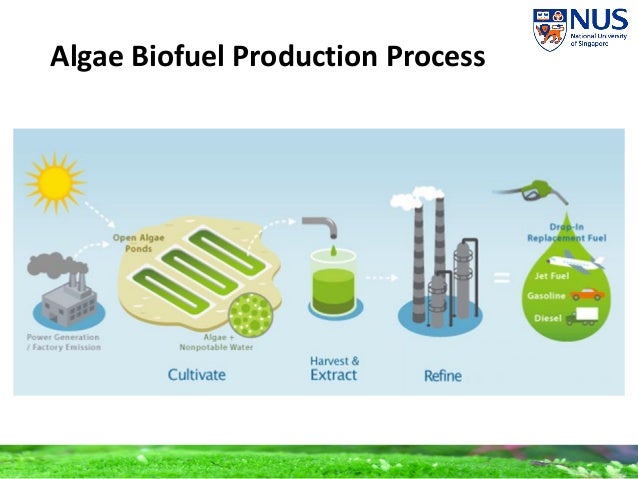
The Australian government has signaled a growing interest in the role of biofuels within its Future Made in Australia initiative. This policy framework aims to foster the development of a domestic renewable energy manufacturing sector, including the production of liquid fuels essential for industries that are difficult to electrify. By leveraging Australia’s abundant sunlight and technical expertise in biotechnology, proponents argue that the nation could establish a robust supply chain for SAF, effectively reducing the carbon intensity of the aviation sector.
Technological Challenges and Economic Viability
Despite the promise, the path to commercial-scale production of algae-based fuels is not without obstacles. The primary hurdles remain the cost of production and the energy required to harvest and refine the algae biomass into a usable fuel. Current industry analysis suggests that significant breakthroughs in cultivation efficiency—such as improving lipid content in algae strains—are necessary before these fuels can compete on price with conventional jet fuel.
the infrastructure required for large-scale bio-refining is substantial. The Australian government continues to support investment in low-emissions technology through the Australian Renewable Energy Agency (ARENA), which provides funding for pilot programs and research projects aimed at de-risking the commercialization of emerging energy technologies. For algae-based fuel to become a mainstream reality, these pilot programs must demonstrate that they can scale reliably while maintaining a positive net energy balance.
What This Means for Australia’s Energy Future
The potential integration of algae-based fuels into the Australian energy mix represents a strategic shift toward circular economy principles. By utilizing waste CO2 from industrial sites—such as power stations or breweries—to feed algae growth, companies can effectively recycle carbon emissions into high-value liquid fuels. This process not only provides a cleaner alternative to diesel and kerosene but also supports regional development by creating new jobs in the biotechnology and energy sectors.
As the global aviation industry sets ambitious targets for net-zero emissions, the demand for certified sustainable aviation fuel is expected to rise sharply. Australia, with its significant land mass and commitment to renewable innovation, is uniquely positioned to become a key player in this market. However, success will depend on continued public-private collaboration and the ability to bridge the “valley of death” between laboratory research and industrial-scale deployment.
Key Considerations for the Biofuel Sector
- Land Use: Unlike terrestrial crops, algae can be grown in non-arable areas, minimizing the impact on food security.
- Carbon Sequestration: Algae cultivation systems can be integrated with industrial emitters to capture and utilize CO2.
- Scale and Cost: Achieving price parity with fossil fuels remains the most significant barrier to widespread adoption.
- Policy Support: Government frameworks, such as the Future Made in Australia initiative, are vital for attracting private investment into the sector.
Readers interested in the progress of these technologies can monitor updates through the Department of Climate Change, Energy, the Environment and Water, which provides official reports on the nation’s energy transition progress and policy developments. As research continues to advance, the next critical milestone will be the completion of current pilot-scale assessments, which are expected to provide more definitive data on the scalability and economic feasibility of algae-derived energy in the coming years.

What are your thoughts on the role of algae in Australia’s clean energy future? Join the conversation by sharing your perspective in the comments section below.
Worth a look