
Meta Platforms Inc. has faced renewed scrutiny regarding its privacy practices after dormant code related to facial recognition technology was discovered within the software supporting its smart glasses. While Meta maintains that its current generation of AI-powered eyewear does not use facial recognition, the presence of the code—and its subsequent removal following external inquiry—has raised questions about the company’s long-term product roadmap and data governance. According to reporting by Bloomberg, the code was identified in the Meta View app before being purged by the company in late September 2024.
The discovery underscores the tension between the development of advanced wearable artificial intelligence and the stringent regulatory environment surrounding biometric data. As a technology editor who has tracked the evolution of augmented reality hardware, I have observed that the integration of facial scanning into consumer devices remains a significant “third rail” in Silicon Valley. For Meta, which has spent years attempting to move past the 2021 settlement regarding its handling of user biometric data, any suggestion of latent facial recognition capabilities invites intense examination from privacy advocates and global regulators alike.
The Discovery of Latent Biometric Code
The controversy emerged when researchers and developers identified references to facial recognition functionality within the software framework of the Meta View application, the companion software for the company’s Ray-Ban Meta smart glasses. The code, which remained inactive and non-functional for end users, appeared to be a remnant or a placeholder for potential future features. Following inquiries into the nature of this code, Meta moved to remove it, stating that the software was not intended for use in the current product line.
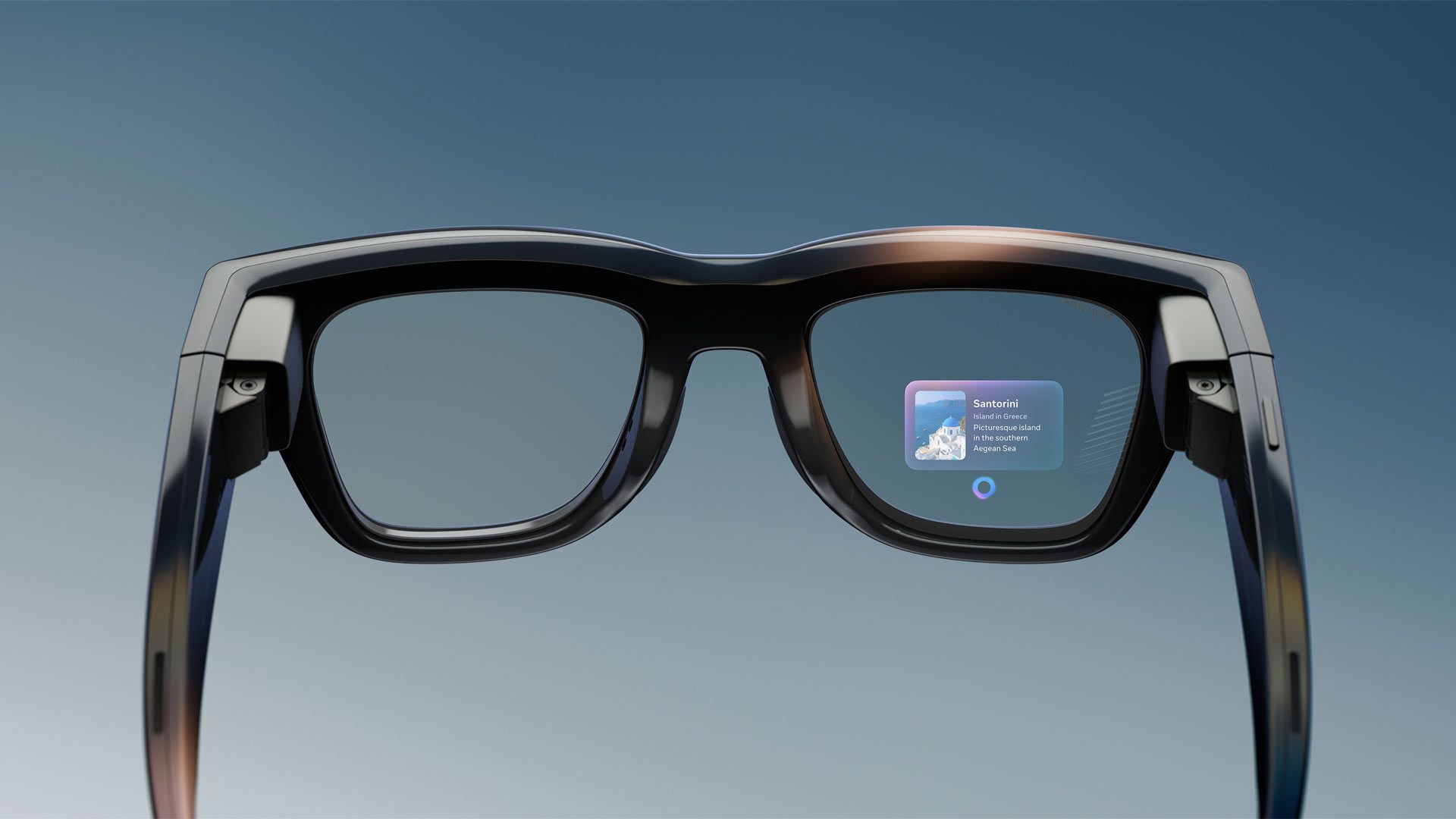
Meta’s official stance, as articulated in statements provided to various news organizations, emphasizes that the company does not use facial recognition to identify people in public spaces via its smart glasses. The company has historically been sensitive to the risks associated with biometric data collection. In 2021, the company—then known as Facebook—agreed to a settlement with the U.S. Federal Trade Commission that imposed strict oversight on how it manages user privacy and data security. The presence of dormant code, even if non-operational, serves as a reminder that the underlying software architecture of these devices is built upon platforms that may support capabilities far beyond the current consumer-facing features.
Why Biometric Privacy Remains a Flashpoint
Facial recognition technology is subject to varying degrees of legal restriction across the globe. In the United States, several jurisdictions—including Illinois, under its Biometric Information Privacy Act (BIPA)—have enacted rigorous standards requiring explicit consent for the collection of biometric identifiers. Meta’s caution regarding its smart glasses is likely a strategic necessity to avoid triggering these legal thresholds.

The concern for privacy advocates is that the “smart” nature of these glasses, which are equipped with cameras and AI-processing capabilities, could eventually be updated via software to perform real-time identification of individuals. While Meta has positioned its Ray-Ban smart glasses as tools for photography, livestreaming, and AI-assisted information retrieval, the hardware’s capability to record video creates a latent risk of misuse. According to current product specifications released by Meta, the device includes an LED indicator that illuminates when the camera is active, a design choice intended to notify bystanders of recording.
Regulatory Context and Future Oversight
The scrutiny of Meta’s software comes at a time when major technology firms are under the microscope of the European Union’s Artificial Intelligence Act. This landmark legislation introduces a tiered risk system for AI applications, with specific prohibitions on real-time remote biometric identification in publicly accessible spaces for law enforcement purposes, except under limited, well-defined conditions. For a global company like Meta, maintaining compliance across diverse regulatory landscapes is a significant operational challenge.
The removal of the code suggests that Meta is prioritizing its reputation regarding privacy as it prepares for the next phase of its wearable strategy. The company has invested heavily in its “Orion” augmented reality glasses and continues to refine the AI capabilities of its more compact Ray-Ban collaboration. Each iteration of this hardware requires a delicate balance: providing enough utility to justify the purchase price while avoiding the privacy pitfalls that have historically hampered the adoption of head-worn cameras.
Moving Toward Transparent Development
For the average user, the incident serves as a reminder to monitor app permissions and stay informed about software updates. While there is no evidence that Meta has collected biometric data from public users through its glasses, the incident highlights the importance of “privacy by design”—a principle that requires companies to consider data protection at the earliest stages of product development, rather than as an afterthought.

As we look toward the next scheduled product updates and potential developer conferences, the industry will be watching to see if Meta provides more granular documentation on the software components included in its wearable apps. Transparency in software builds, particularly for devices that interact with the physical world, is no longer optional for companies of Meta’s scale. Readers interested in the latest official guidelines from the company should monitor the Meta Newsroom for updates on privacy features and hardware capabilities. We will continue to track this story as further regulatory filings or developer insights emerge.
Have you noticed changes in the functionality of your wearable tech after recent updates? Share your observations in the comments section below or join the conversation on our community forum.
Related reading