Hidden Metabolism Discovered Within the Cell Nucleus Could Revolutionize Cancer Treatment
For decades, the cell nucleus has been considered the control center of the cell, primarily focused on housing and protecting DNA. However, groundbreaking research published this week in Nature Communications reveals a far more complex picture: the nucleus is also a bustling hub of metabolic activity. Scientists have discovered that over 200 metabolic enzymes, traditionally associated with energy production in the cytoplasm and mitochondria, are actively present on human DNA within the nucleus. This unexpected finding challenges long-held assumptions about cellular organization and opens new avenues for understanding—and potentially treating—cancer. The discovery of this ‘nuclear metabolism’ suggests a previously unknown level of crosstalk between how cells generate energy and how they regulate genes, offering a potential explanation for the varied responses to cancer therapies.
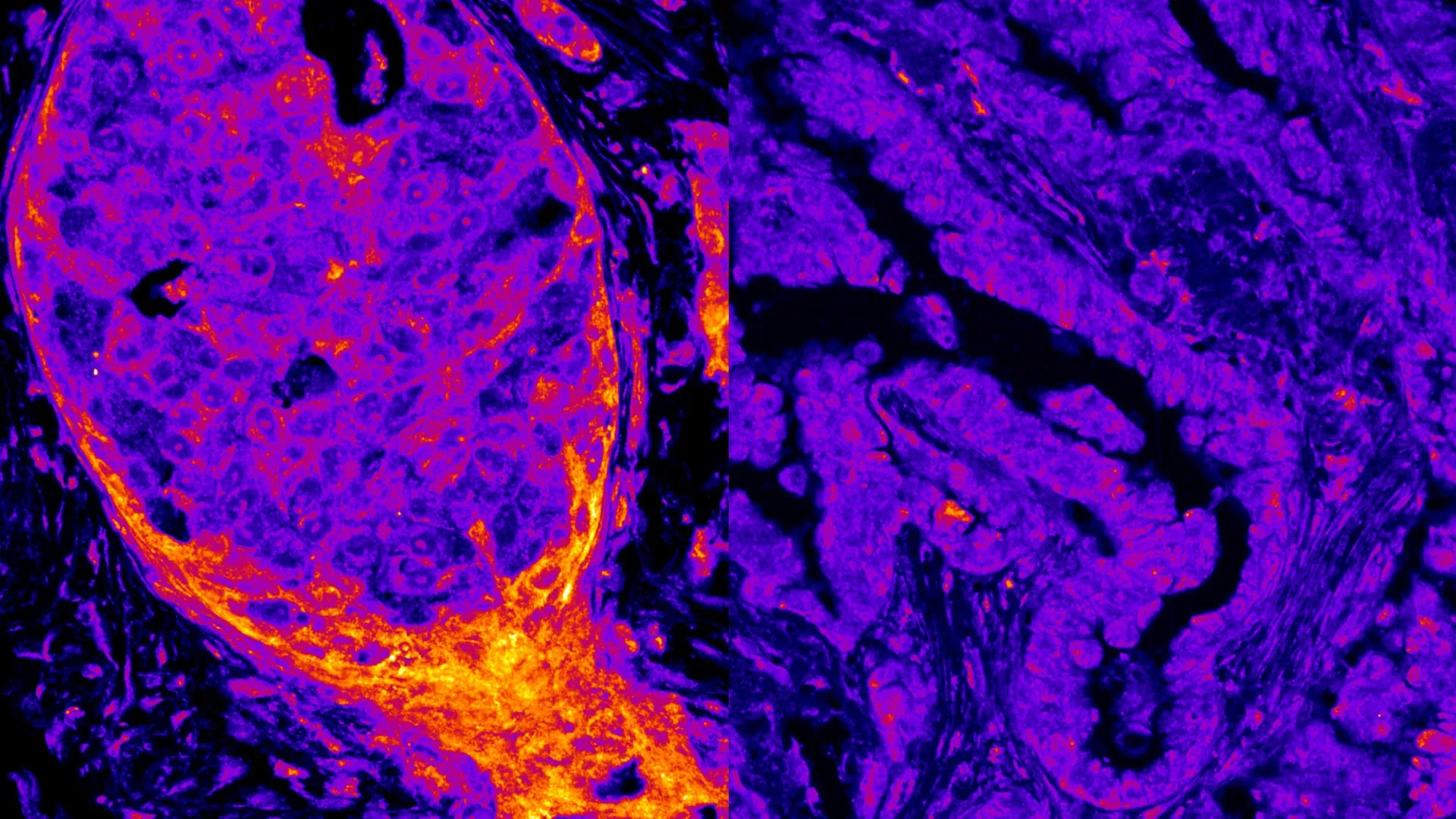
The research, led by scientists at the Centre for Genomic Regulation, details a “nuclear metabolic fingerprint” – unique patterns of enzyme distribution within the nucleus that vary between different cell types, tissues, and even cancers. This suggests that nuclear metabolism isn’t a uniform process, but rather a highly customized system tailored to the specific needs of each cell. Researchers found that these enzymes aren’t simply present in the nucleus; they appear to be actively involved in crucial processes like DNA repair and genome stability. This finding has significant implications for our understanding of cancer development and treatment resistance, as it suggests that targeting these nuclear metabolic processes could offer a novel therapeutic strategy. The study utilized a sophisticated technique to isolate proteins physically attached to chromatin, the complex of DNA and proteins that make up chromosomes, allowing for a comprehensive mapping of this previously hidden metabolic landscape.
“We’ve been treating metabolism and genome regulation as two separate universes, but our work suggests they’re talking to each other, and cancer cells might be exploiting these conversations to survive,” explains Dr. Savvas Kourtis, first author of the study. The team’s analysis revealed that approximately 7% of all proteins bound to chromatin are metabolic enzymes, a surprisingly high percentage that indicates a significant level of metabolic activity within the nucleus. This observation has led researchers to propose the existence of a “mini metabolism” operating within the nucleus, independent of the more well-known metabolic processes occurring in other parts of the cell. The implications of this discovery are far-reaching, potentially reshaping our understanding of fundamental cellular processes and opening new doors for therapeutic intervention.
Uncovering the ‘Nuclear Metabolic Fingerprint’
The study’s methodology involved a technique called chromatin immunoprecipitation coupled with mass spectrometry, allowing researchers to identify proteins directly attached to DNA. They analyzed 44 different cancer cell lines and 10 healthy cell types from ten distinct tissues, creating a detailed map of metabolic enzyme distribution across various biological contexts. The findings, published in Nature Communications, revealed striking differences in nuclear metabolic profiles between different cancer types. For example, breast cancer cells exhibited higher levels of enzymes involved in oxidative phosphorylation – the process of generating energy – compared to lung cancer cells. This tissue-specific pattern was further confirmed by examining tumor samples directly from patients, solidifying the concept of a unique “nuclear metabolic fingerprint” for each cancer type.
This discovery has sparked considerable interest in the potential for using nuclear metabolic fingerprints as biomarkers for cancer diagnosis and prognosis. By analyzing the specific enzymes present in a patient’s tumor cells, clinicians might be able to predict how the cancer will respond to treatment and tailor therapies accordingly. Understanding the specific metabolic vulnerabilities of different cancer types could lead to the development of targeted drugs that disrupt these processes, offering a more effective and personalized approach to cancer treatment. The research team emphasizes that further investigation is needed to fully elucidate the functional roles of these nuclear enzymes and to translate these findings into clinical applications.
Enzymes Rally to Repair Damaged DNA
Beyond simply identifying the presence of metabolic enzymes in the nucleus, the researchers also investigated their function. They focused on enzymes involved in DNA synthesis and repair, discovering that these enzymes tend to congregate near areas of DNA damage. This suggests that they play an active role in assisting with genome repair, a critical process for maintaining cellular health and preventing mutations that can lead to cancer. The concentration of these enzymes at sites of DNA damage highlights the intricate connection between metabolism and genome stability, demonstrating that the nucleus is not merely a passive repository of genetic information but an active participant in maintaining its integrity.
Interestingly, the study also revealed that the function of an enzyme can change depending on its location within the cell. The enzyme IMPDH2, for instance, exhibited different effects on cellular processes when confined to the nucleus versus the cytoplasm. When localized to the nucleus, IMPDH2 promoted genome stability, while in the cytoplasm, it influenced different cellular pathways. This finding underscores the importance of considering the cellular context when studying enzyme function and highlights the potential for manipulating enzyme localization to achieve specific therapeutic effects. This location-dependent functionality adds another layer of complexity to our understanding of cellular regulation and suggests that targeting enzymes based on their location could be a promising therapeutic strategy.
Implications for Cancer Therapy and Future Research
The findings have significant implications for how we approach cancer treatment. Many existing cancer therapies target either metabolic processes or DNA repair mechanisms. However, if these two systems are more tightly interconnected than previously thought, as this research suggests, a more holistic approach may be necessary. “It could help explain why tumors of different origins, even when carrying the same mutations, often respond highly differently to chemotherapy, radiotherapy, or targeted inhibitors,” notes Dr. Sara Sdelci, corresponding author of the study. As reported by ScienceDaily, this interconnectedness could explain why some cancers develop resistance to treatment, as they may be able to compensate for disruptions in one pathway by activating alternative metabolic routes within the nucleus.
The research team acknowledges that much work remains to be done. They emphasize the need to determine whether all of the enzymes observed in the nucleus are actively functioning and to elucidate the specific roles each one plays. They are investigating the mechanisms by which these large enzymes are able to enter the nucleus, given that the nuclear pores are typically too small to accommodate them. Understanding this process could reveal new therapeutic targets for controlling nuclear metabolic activity in diseased cells. The team plans to continue mapping nuclear metabolism across a wider range of cancer types and healthy tissues, with the ultimate goal of identifying novel biomarkers and therapeutic strategies. According to EurekAlert!, this ongoing research promises to unlock new insights into the complex interplay between metabolism and genome regulation, paving the way for more effective and personalized cancer treatments.
Key Takeaways
- Nuclear Metabolism is Real: Metabolic enzymes are not confined to the cytoplasm and mitochondria; they are actively present and functioning within the cell nucleus.
- Unique Fingerprints: Different cancers exhibit distinct patterns of metabolic enzyme distribution within the nucleus, creating a “nuclear metabolic fingerprint.”
- DNA Repair Connection: Nuclear metabolic enzymes play a role in DNA repair, highlighting the link between metabolism and genome stability.
- Therapeutic Potential: Targeting nuclear metabolic processes could offer a novel approach to cancer treatment, potentially overcoming resistance to existing therapies.
The discovery of this hidden metabolic world within the nucleus represents a paradigm shift in our understanding of cellular biology. As researchers continue to unravel the complexities of nuclear metabolism, we can anticipate significant advances in our ability to diagnose, treat, and ultimately conquer cancer. The next step in this research will involve large-scale studies to validate these findings in diverse patient populations and to identify specific therapeutic targets. We encourage readers to share this article and join the conversation about this exciting new frontier in cancer research.
- How Birth Order Affects Your Risk of Over 100 Different Diseases
- Dengue Fever Outbreaks Surge in Philippines and Sri Lanka: Deaths Reported and Drones Deployed for Control
- Phil Collins Reveals 80s Hit Lyrics Were Mostly Improvised (world-today-news.com)
- 3D DNA mapping in rare immune cells reveals new genes linked with autoimmune disease risk (archyde.com)