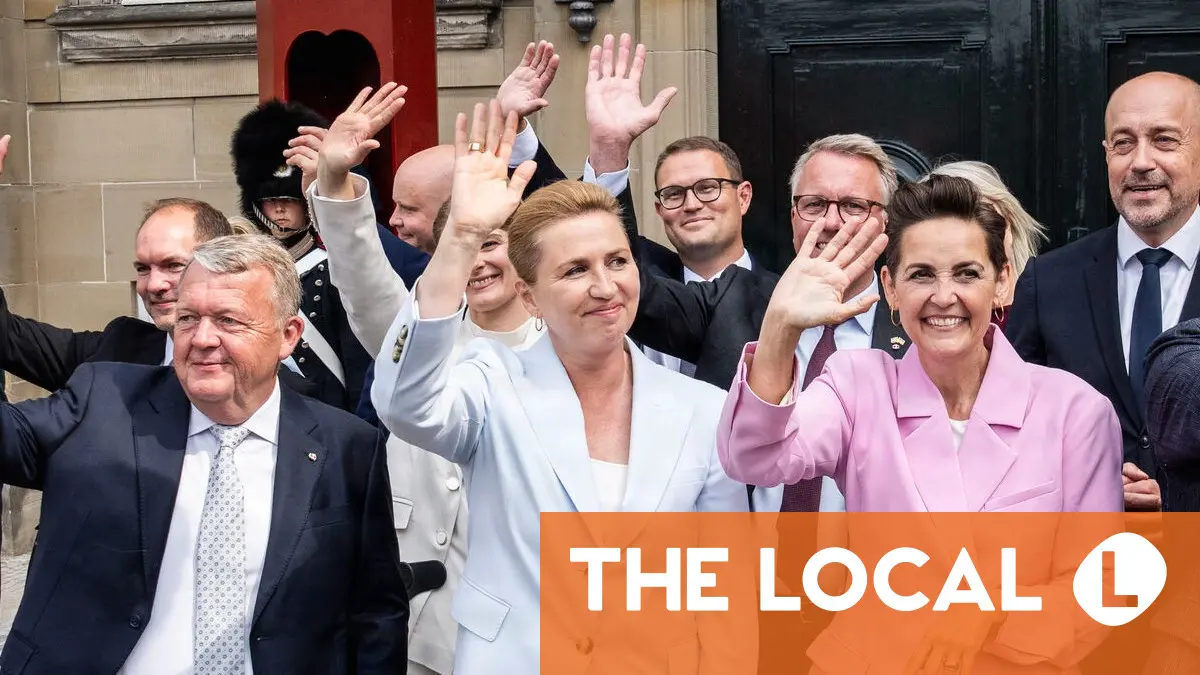
In a political landscape often defined by volatility, Mette Frederiksen’s return as Prime Minister of Denmark stands as a masterclass in pragmatic coalition-building. Following the 2022 Danish general election, which resulted in a complex parliamentary arithmetic, Frederiksen successfully navigated the formation of a rare, cross-bloc government. While many analysts initially predicted that the ideological divide between the traditional left and center-right would render a stable administration impossible, the resulting “SVM” government—comprising the Social Democrats, the Liberal Party, and the Moderates—has fundamentally reshaped the country’s political trajectory.
As I reflect on the shifting sands of European governance from my desk here in Sofia, the survival and persistence of Frederiksen’s administration remain a subject of intense study for those of us tracking international relations. The formation of this government was not merely a tactical maneuver; it was a departure from decades of Danish political tradition, which typically favored single-party minority governments supported by smaller, ideologically aligned partners. According to official data from the Danish Parliament (Folketing), the coalition holds a working majority that bridges the historic divide between the red and blue blocs, a feat that surprised even seasoned observers of Nordic politics.
The Arithmetic of the 2022 Election
The path to Frederiksen’s reappointment was anything but linear. Following the November 1, 2022, election, the Social Democrats emerged as the largest party, yet their traditional allies on the left did not command enough seats to form a majority on their own. This necessitated an uncomfortable dialogue with political rivals. Mette Frederiksen, who has led the Social Democrats since 2015, faced intense pressure to secure a mandate that could withstand the economic headwinds facing Europe, including the energy crisis and rising inflation exacerbated by the war in Ukraine.
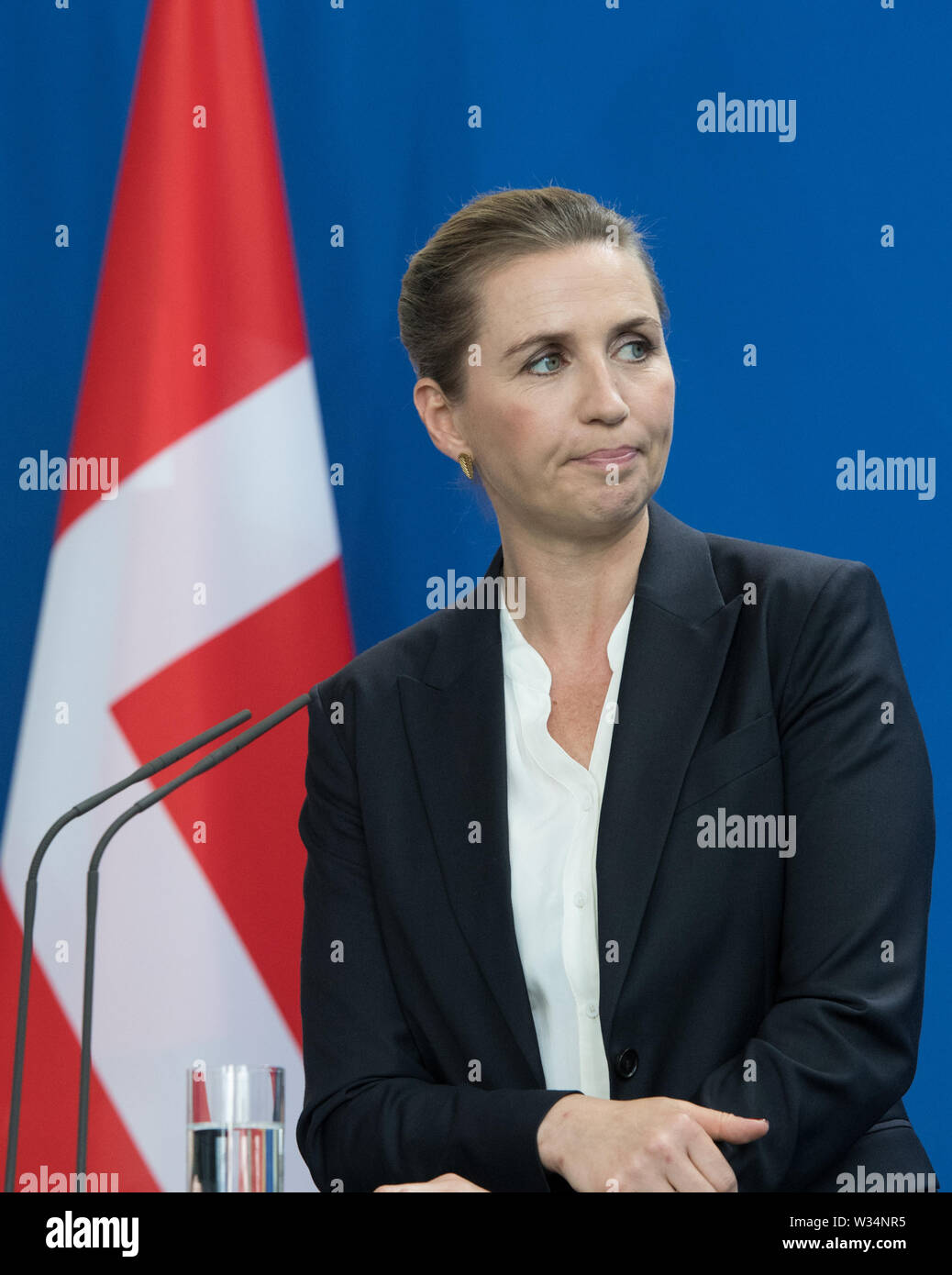
The complexity of the negotiations was underscored by the emergence of the Moderates, a centrist party founded by former Prime Minister Lars Løkke Rasmussen. Their entry into the equation provided the necessary leverage to build a bridge across the aisle. Official reports from the Danish national broadcaster DR confirmed that the final coalition agreement, signed in December 2022, focused heavily on structural reforms in the labor market and healthcare, effectively sidelining long-standing ideological disagreements in favor of a “government of national necessity.”
Why the Cross-Bloc Coalition Surprised Observers
For those of us analyzing Nordic trends, the skepticism surrounding Frederiksen’s success was rooted in historical precedent. Denmark has long operated under a model where the left and right blocs maintain distinct manifestos. The idea that the Liberal Party (Venstre) would serve in a cabinet led by a Social Democrat was, until the final weeks of 2022, considered an extreme long shot. Critics argued that the policy compromises required to maintain such an alliance would alienate the base of both major parties.

However, the administration’s ability to remain in power highlights a shift toward “pragmatic centrism.” By focusing on shared goals—such as the green transition and fiscal responsibility—the government has managed to stabilize its position. According to analysis from the The Local Denmark, the primary motivation for this unconventional setup was to prevent the influence of the political fringes from dictating the national agenda. This strategy has allowed the cabinet to push through legislation that might have otherwise stalled in a more polarized, minority-led environment.
What Happens Next: The Challenges of Governance
Looking ahead, the longevity of this coalition will be tested by the very reforms it promised to deliver. The government has committed to significant changes in the public sector, which remain a point of contention for labor unions and public sector workers. The administration’s next major checkpoint involves the implementation of the “Reform Package 2030,” a series of economic measures designed to increase labor supply and ensure the long-term sustainability of the Danish welfare state. Updates regarding these legislative sessions are regularly published on the official website of the Danish government.
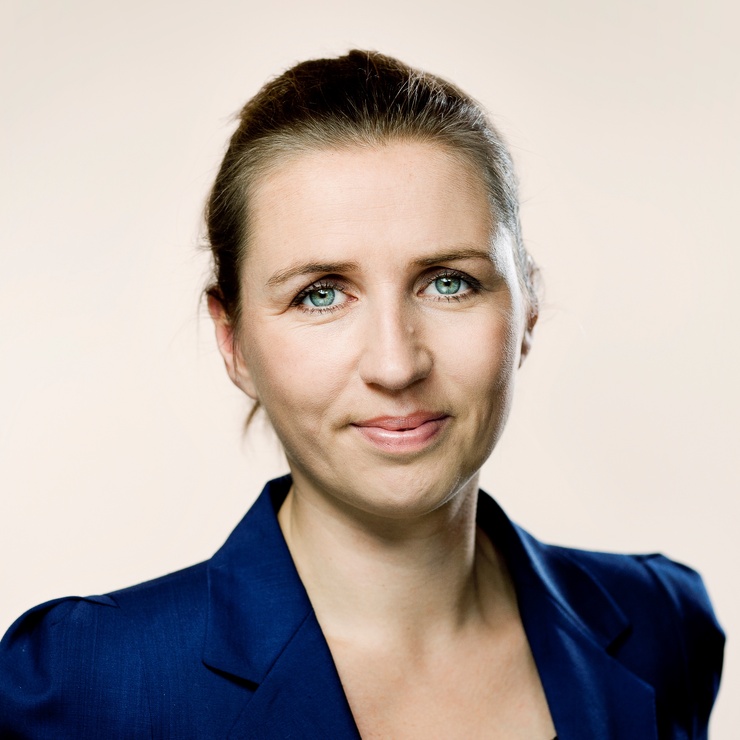
For international observers, the Danish experiment offers a valuable lesson. It demonstrates that even in a highly polarized era, the necessity of governance can occasionally trump partisan tribalism. Whether this model serves as a blueprint for other European nations facing similar fragmentation remains to be seen. As the government prepares for its next series of budget negotiations, the focus will remain on whether Frederiksen can continue to balance the competing interests of her coalition partners without losing the trust of her own party’s core supporters.
The politics of the North often serve as a bellwether for the rest of the continent. If this broad coalition continues to hold, it may very well prove that the “surprising” choice was, in fact, the most stable one available. I welcome your thoughts on how this shift in Danish politics compares to the climate in your own region—please feel free to share your perspectives in the comments below.
Keep reading