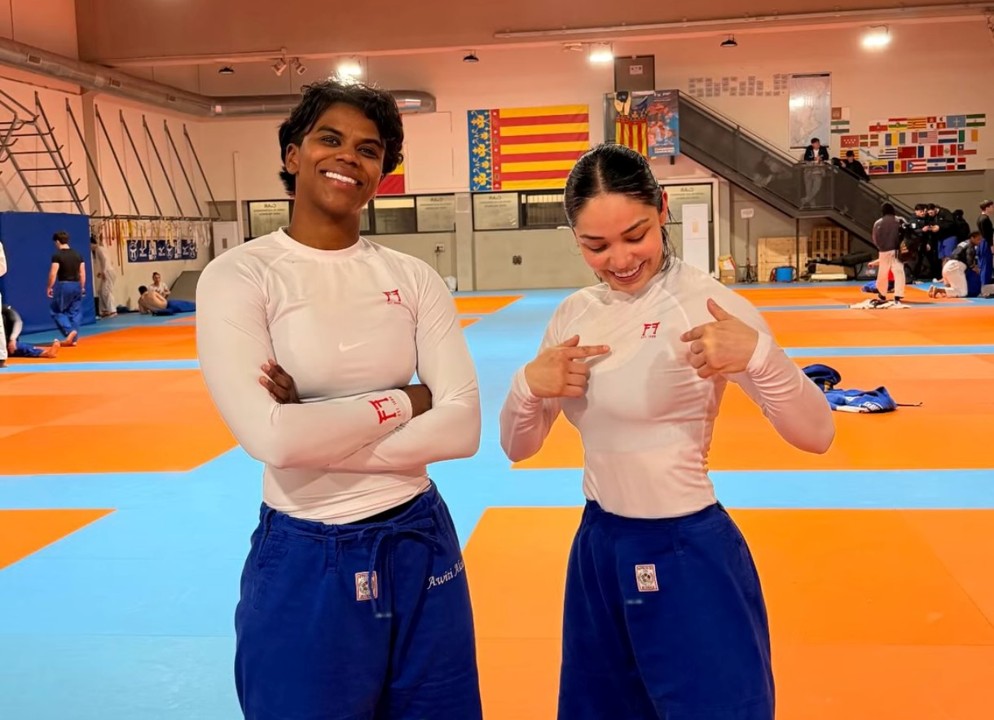
Mexican Judo Embarks on Road to Los Angeles 2028 Following Historic Olympic Success
The landscape of Mexican judo has been irrevocably altered. Following Prisca Awiti Alcaraz’s groundbreaking silver medal at the Paris 2024 Olympic Games – the nation’s first-ever Olympic medal in the sport – a new era of ambition and opportunity has dawned. Mexico has officially begun its qualifying campaign for the Los Angeles 2028 Olympics, backed by the Government of Mexico through the National Commission of Physical Culture and Sports (CONADE). This new cycle isn’t just about repeating past success; it’s about building a sustainable program capable of consistently challenging for podium finishes on the world stage. The initial steps have already been taken, with Mexican judokas competing internationally and gaining valuable ranking points.
Awiti’s achievement in Paris resonated far beyond the tatami, igniting a surge in interest and participation in judo across Mexico. The silver medal wasn’t merely a sporting triumph; it was a cultural moment, demonstrating the potential of Mexican athletes to compete with the best in the world. This newfound momentum is being strategically channeled into a comprehensive plan for Los Angeles 2028, encompassing rigorous training, international competition, and robust support from CONADE. The impact of this success is already visible, with increased funding and resources allocated to the national judo program, as reported by Mirador Mexico.
Early Competition and Ranking Points
The qualifying process for Los Angeles 2028 is heavily reliant on the International Judo Federation (IJF) world ranking system. To that end, the Mexican team wasted little time in accumulating points, participating in the Grand Prix Upper tournament in Austria. This event, part of the IJF World Tour, provided a crucial opportunity for athletes to test their skills against international competition and begin their ascent up the rankings. Representing Mexico in Europe were Paulina Martínez, a Pan American champion and Olympic competitor in Paris 2024, alongside José Quintá, Robin Jara, and Samuel Ayala. Ovaciones reports that this early participation is key to securing a strong position in the qualifying standings.
While Awiti did not compete in the Grand Prix Upper, she is expected to return to competition in the coming weeks. Her presence will undoubtedly bolster the team’s overall performance and provide a significant boost to their ranking aspirations. The team’s training regimen is designed to peak during key qualifying events, ensuring that athletes are in optimal condition to earn valuable points. The focus is not solely on individual success but on collective progress, fostering a team environment where athletes support and challenge each other.
A Packed Schedule Leading to Los Angeles
The 2026 calendar is ambitious, with a planned schedule of 12 international tournaments and two training camps outside of Mexico. A major early focus will be the Central American and Caribbean Games in Santo Domingo, considered the first significant competitive test of this Olympic cycle. This event will provide a valuable opportunity to assess the team’s progress and identify areas for improvement. The rigorous schedule reflects a commitment to maximizing exposure to high-level competition and accelerating the development of Mexican judokas. According to CONADE, this intensive program is designed to build upon the successes of 2025, where Mexican judo secured an impressive haul of 31 medals at the Central American Cup and Pan American Cup, along with 8 medals at the Pan American Open and 4 at the Asunción Junior Pan American Games.
The Mexican judo team will continue to utilize the Villas Tlalpan CONADE facilities for training camps. This complex provides state-of-the-art resources and a dedicated environment for athletes to hone their skills. The consistent use of these facilities underscores the importance of a stable and supportive training infrastructure in achieving long-term success. The commitment to providing athletes with the best possible resources demonstrates CONADE’s dedication to the development of judo in Mexico.
Building on a Legacy: The Prisca Awiti Effect
Prisca Awiti’s silver medal in Paris 2024 wasn’t just a personal achievement; it was a watershed moment for Mexican judo. Her success has inspired a new generation of athletes and attracted increased attention and investment in the sport. Awiti’s story is one of dedication, perseverance, and unwavering belief in her abilities. She has become a role model for aspiring judokas across the country, demonstrating that with hard work and determination, anything is possible. The impact of her medal extends beyond the sporting arena, fostering a sense of national pride and unity.
The increased visibility of judo in Mexico has similarly led to greater participation in the sport at the grassroots level. More young people are taking up judo, drawn by the excitement of the Olympics and the inspiring story of Prisca Awiti. This influx of new talent is crucial for the long-term sustainability of the program, ensuring that Mexico will continue to produce world-class judokas for years to come. The future of Mexican judo looks brighter than ever, fueled by the momentum generated by Awiti’s historic achievement.
Looking Ahead: Santo Domingo and Beyond
The Central American and Caribbean Games in Santo Domingo represent the first major hurdle in the qualifying process for Los Angeles 2028. The Mexican team will be looking to make a strong statement, demonstrating their readiness to compete with the best in the region. Success in Santo Domingo will not only provide a valuable boost to their ranking points but also serve as a confidence builder as they prepare for the more challenging events on the IJF World Tour. The team’s preparation will be meticulous, with a focus on both physical conditioning and tactical strategy.
Beyond Santo Domingo, the road to Los Angeles 2028 will be long and arduous. The team will face fierce competition from judokas from around the world, all vying for a limited number of Olympic berths. Whereas, with a clear plan, unwavering support from CONADE, and the inspiring legacy of Prisca Awiti, Mexican judo is well-positioned to achieve its goals. The next major update regarding team selections and performance results is expected following the Central American and Caribbean Games in Santo Domingo. Readers are encouraged to follow the CONADE website for official announcements and updates on the progress of the Mexican judo team.
The journey to Los Angeles 2028 is underway, and the future of Mexican judo appears exceptionally promising. The combination of historic success, dedicated athletes, and strong institutional support creates a powerful foundation for continued growth and achievement. Share your thoughts on the Mexican judo team’s prospects in the comments below, and don’t forget to share this article with fellow sports enthusiasts!
Keep reading