The death of Nemesio Oseguera Cervantes, known as “El Mencho,” leader of the Cartel Jalisco Nueva Generación (CJNG), has prompted Mexican authorities to identify four potential successors within the powerful criminal organization. The announcement, made this Friday, February 27, 2026, underscores the ongoing challenge of dismantling the CJNG, which maintains a significant presence across multiple Mexican states. This comes after a period of violence following Oseguera’s death, with reports of arson and road blockades in 20 of Mexico’s 32 states.
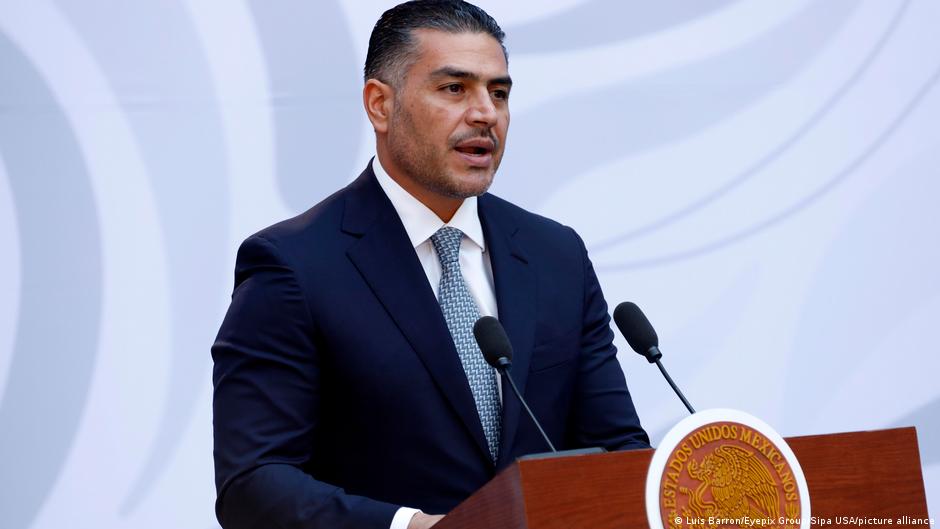
The identification of potential successors is based on the existence of “regional leadership” within the CJNG, according to Mexican Secretary of Security Omar García Harfuch. Although authorities are currently withholding the names of these individuals due to ongoing investigations, their emergence highlights the decentralized nature of the cartel and its ability to adapt even after the loss of its top leader. The situation remains fluid, and the Mexican government is actively monitoring the cartel’s movements to prevent further escalation of violence. The CJNG’s influence extends beyond Mexico, with reported operations and connections in the United States and other countries, making its disruption a priority for international law enforcement.
The Aftermath of ‘El Mencho’s’ Death and Initial Response
The operation that resulted in Oseguera’s death, considered the most dangerous and sought-after criminal in Mexico and the United States, triggered an immediate response from the CJNG. Reports indicate a wave of violence, including the burning of businesses and the blocking of local and federal highways. According to García Harfuch, the most significant disruption occurred on Sunday, February 23, 2026, but security forces began restoring order on Monday, successfully clearing all blocked roadways by Wednesday, February 26, 2026. Despite the initial unrest, García Harfuch insisted that there has been “no resurgence of violence” in the wake of the operation, speaking during a morning press conference alongside President Claudia Sheinbaum in the state of Sinaloa.
The CJNG, founded in 2009, has rapidly grown to become one of Mexico’s most powerful and violent cartels. Its rise has been marked by a willingness to engage in brazen attacks against security forces and rival cartels, as well as its diversification into various criminal activities, including drug trafficking, extortion, and kidnapping. The cartel’s territorial control extends primarily across the states of Jalisco, Michoacán, Guanajuato, and Guerrero, but its influence is increasingly felt in other regions of the country. The United States Drug Enforcement Administration (DEA) has identified the CJNG as a “major threat” to national security, citing its growing presence in the U.S. Drug market and its increasingly sophisticated operational capabilities. InSight Crime provides further analysis on the potential future of the CJNG following El Mencho’s death.
Who Could Succeed ‘El Mencho’?
While the Mexican government has not publicly named the four potential successors to “El Mencho,” the fact that multiple individuals are being considered suggests a complex power structure within the CJNG. Experts believe that these individuals likely represent different factions within the cartel, each with its own network of support and area of influence. The struggle for leadership could potentially lead to internal conflict, further destabilizing the region. Identifying these individuals and disrupting their operations is a key priority for Mexican authorities, but the cartel’s deep roots and extensive network of contacts craft this a challenging task.
The potential for fragmentation within the CJNG is a significant concern. If the cartel were to split into warring factions, it could lead to an increase in violence as each group attempts to assert its dominance. This scenario could also create opportunities for other criminal organizations to expand their influence, further complicating the security landscape in Mexico. The Mexican government is reportedly working to prevent such a scenario by strengthening its intelligence gathering capabilities and increasing its presence in areas where the CJNG operates. Although, the cartel’s ability to adapt and innovate poses a constant challenge to law enforcement efforts.
Understanding the CJNG’s Structure and Operations
The Cartel Jalisco Nueva Generación distinguishes itself from other Mexican drug cartels through its highly militarized structure and its willingness to employ sophisticated tactics. Unlike many traditional cartels that rely on territorial control, the CJNG operates more as a network, focusing on strategic alliances and maximizing profits through efficient logistics. This allows the cartel to maintain a relatively low profile while still exerting significant influence over the drug trade. The CJNG is known for its use of social media to disseminate propaganda and intimidate rivals, as well as its willingness to target high-profile individuals, including politicians and journalists. ABC7 Los Angeles reports on the surprising devotion of “El Mencho” to religious figures like the Virgin of Guadalupe and Saint Jude.
The CJNG’s financial strength is derived from a diverse range of criminal activities, including drug trafficking (methamphetamine, cocaine, heroin, and fentanyl), extortion, kidnapping, and illegal mining. The cartel has also been involved in the theft of fuel and the trafficking of endangered species. Its ability to generate revenue from multiple sources allows it to maintain a well-equipped and highly motivated fighting force. The cartel’s financial network extends beyond Mexico, with connections to criminal organizations in the United States, Europe, and Asia.
Implications for Mexico and the Region
The death of “El Mencho” and the subsequent power struggle within the CJNG have significant implications for Mexico’s security landscape. While the removal of a key leader can disrupt a criminal organization, it can also create a vacuum that is quickly filled by ambitious rivals. The potential for increased violence and fragmentation within the CJNG poses a serious threat to the stability of the region. The Mexican government is facing increasing pressure to address the root causes of drug trafficking and organized crime, including poverty, corruption, and lack of economic opportunity.
The situation also has implications for the United States, which is a major consumer of illicit drugs produced by Mexican cartels. The disruption of the CJNG’s operations could potentially lead to a shift in the drug market, with other cartels vying for control. The United States government is working with Mexico to strengthen law enforcement cooperation and to address the demand for illicit drugs. However, the complex nature of the drug trade and the deep-rooted corruption within Mexico make this a challenging task. Al Jazeera examines the broader implications for Mexico and the Jalisco cartel following El Mencho’s reported death.
The Mexican government, under President Claudia Sheinbaum, faces a critical juncture in its efforts to combat organized crime. The success of these efforts will depend on its ability to address the underlying causes of violence, strengthen law enforcement institutions, and foster greater cooperation with international partners. The coming months will be crucial in determining whether Mexico can effectively dismantle the CJNG and restore stability to the region.
The situation remains dynamic, and further developments are expected as the Mexican government continues its investigation and attempts to apprehend the individuals identified as potential successors to “El Mencho.” Authorities are expected to provide further updates in the coming weeks, and the World Today Journal will continue to monitor the situation closely. We encourage readers to share their thoughts and perspectives on this important issue in the comments section below.
Worth a look