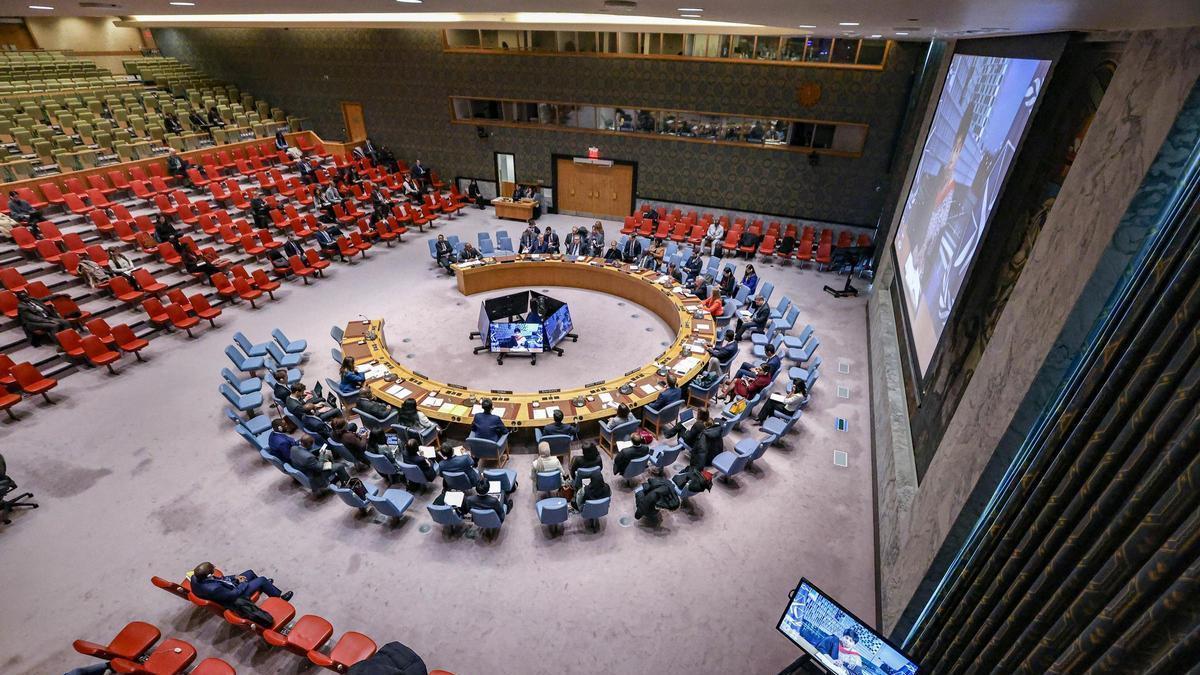
Russia and China have exercised their veto power in the United Nations Security Council to block a resolution aimed at reopening the Strait of Hormuz. The decision leaves the international community without a unified diplomatic mandate to ensure the flow of traffic through one of the world’s most critical maritime chokepoints.
The resolution, which sought a formal mechanism to reopen the waterway, failed to pass due to the opposition of the two permanent members. The diplomatic impasse occurs against a backdrop of escalating regional tensions and a specific timeline established by the United States government.
Representing the United States during the proceedings, Ambassador Mike Waltz advocated for the resolution, emphasizing the necessity of restoring unrestricted access to the strait. The veto by Moscow and Beijing effectively halts the current UN-led effort to resolve the blockade through a Security Council mandate.
Security Council Deadlock Over Maritime Access
The veto reflects a deep divide within the UN Security Council regarding the approach to the Strait of Hormuz. By blocking the resolution, Russia and China have prevented the adoption of a legal framework that would have obligated member states to support the reopening of the waterway.
Under the rules of the UN Security Council, a veto by any of the five permanent members—the United States, United Kingdom, France, Russia and China—is sufficient to defeat a resolution, regardless of how many other member states support the measure.
The Trump Deadline and US Diplomacy
The timing of the veto is particularly significant as it precedes a deadline set by the Trump administration. According to reports, the diplomatic push to secure a UN resolution was intended to be completed before the expiration of a deadline established by Donald Trump.
Ambassador Mike Waltz has been the primary voice for the U.S. In these negotiations, pushing for a multilateral solution to ensure the strait remains open. With the resolution defeated, the U.S. May be forced to consider alternative strategies as the aforementioned deadline approaches.
Key Takeaways
- Veto Action: Russia and China blocked a UN Security Council resolution to reopen the Strait of Hormuz.
- U.S. Position: Ambassador Mike Waltz led the U.S. Effort to secure the resolution.
- Critical Timing: The veto occurred shortly before a deadline set by the Trump administration.
- Diplomatic Result: There is currently no UN-mandated resolution to force the reopening of the strategic waterway.
The international community now awaits further communication from the U.S. State Department regarding the next steps to be taken following the collapse of the Security Council vote.
World Today Journal will provide updates as more information regarding the U.S. Response and the Trump administration’s deadline becomes available. We invite our readers to share their perspectives on this diplomatic deadlock in the comments below.
Related reading