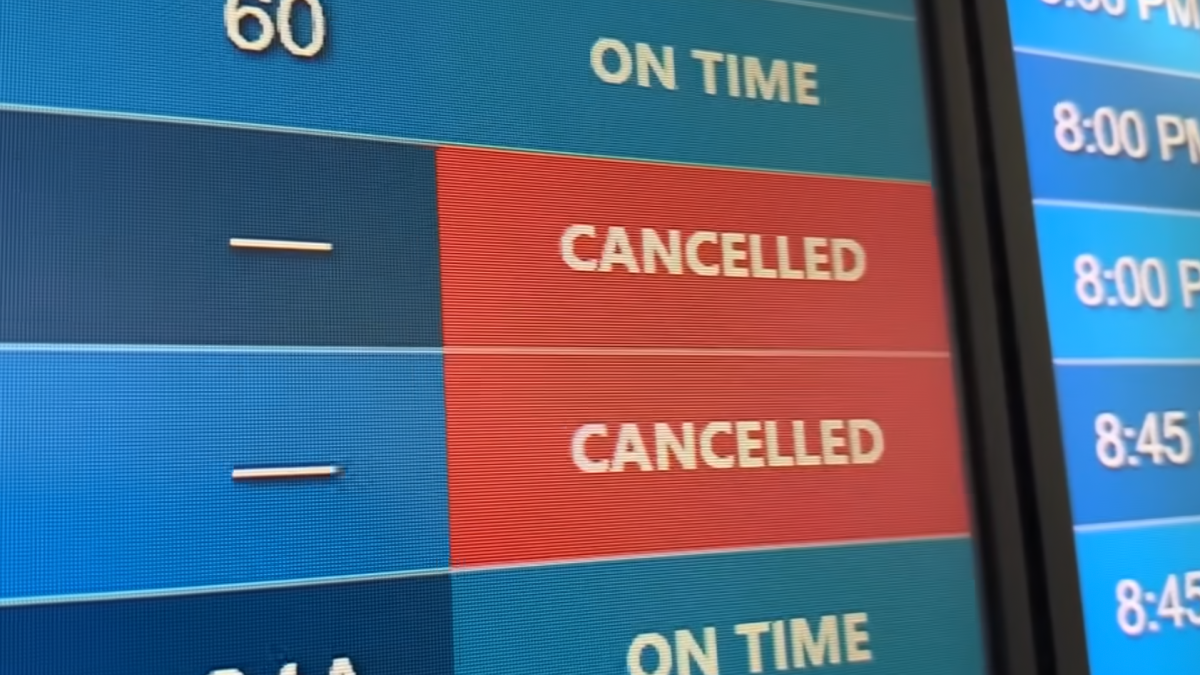
The death of Nemesio Rubén Oseguera Cervantes, known as “El Mencho,” leader of the Jalisco New Generation Cartel (CJNG), has triggered a wave of violence in Mexico, significantly disrupting air travel to popular tourist destinations like Puerto Vallarta and Guadalajara. Multiple airlines have canceled flights and implemented flexible travel policies as security concerns escalate, leaving travelers stranded and prompting warnings from both Mexican and U.S. Authorities. This situation underscores the ongoing challenges to security and stability in key regions of Mexico, impacting both tourism and the broader economy.
The sudden escalation in violence followed the reported death of El Mencho on February 22, 2026, during an operation by the Mexican Armed Forces in Tapalpa, Jalisco. While authorities have confirmed his death due to gunshot wounds, the aftermath has been marked by clashes between cartel members and security forces. The CJNG, under El Mencho’s leadership, had grown to become one of the most powerful and violent drug cartels in Mexico, expanding its influence beyond drug trafficking to include extortion, kidnapping, and other criminal activities. His death, while a significant blow to the organization, appears to have ignited a power struggle and retaliatory attacks.
Flight Cancellations and Travel Disruptions
Several major airlines, including Alaska Airlines, Delta Air Lines, and American Airlines, have responded to the heightened security risks by canceling flights to Puerto Vallarta (PVR) and Guadalajara (GDL). These cancellations are intended to protect passengers and crew, as well as to avoid potential disruptions at the airports. Airlines are also offering passengers the option to change their flights without incurring fees, providing some flexibility during this uncertain period. Travelers are strongly advised to monitor their airline’s website or app for the latest updates, as further cancellations are possible.
Volaris, a Mexican low-cost carrier, has also been affected, with numerous flights to Guadalajara canceled, as reported by travelers at Los Angeles International Airport (LAX). Jolene Leon, a traveler scheduled to fly to Guadalajara, expressed her uncertainty, stating, “Doesn’t look like we’re going to be arriving there today, or maybe just not going at all. We’re still deciding whether it’s even a good idea to move there at all.” Nicole Flores, another passenger, highlighted the difficulties in obtaining information, saying, “The biggest thing is coming to the airport, just because getting through online or like over the phone customer service was going to be the hardest, I think. So we came to the airport just trying to figure out what the best solution was, trying to observe, obviously, we don’t seek to set ourselves in danger, you know, so we definitely want to build sure we make the right decision on that.”
The situation at Guadalajara Airport itself was described as tense by Benjamin Zamora, who traveled from the city to Las Vegas on Friday morning. Zamora reported blocked roads due to burned cars and a palpable sense of fear among passengers within the airport. He recounted witnessing people seeking shelter in restrooms, fueled by rumors of armed men inside the terminal, though he did not personally observe any such breach of security. “When we were waiting for our flight, that’s when we started noticing people just trying to hide. I went to the men’s bathroom, restroom, and I was very surprised to see a lot of ladies there, like older ladies. They were sheltering there with their kids. And then other people started just running because there was misinformation,” Zamora said.
U.S. State Department Travel Advisory
The U.S. State Department has issued a travel advisory, urging U.S. Citizens already in Puerto Vallarta or Guadalajara to shelter in place due to the ongoing violence. This advisory reflects the heightened risk to travelers in these areas and underscores the importance of exercising extreme caution. The State Department regularly updates its travel advisories based on security conditions, and travelers are encouraged to consult the department’s website for the latest information before and during their trips. U.S. Department of State – Travel
El Mencho and the CJNG
Nemesio Rubén Oseguera Cervantes, born July 17, 1966, rose to prominence as the leader of the Jalisco New Generation Cartel. He was known by several aliases, including “El Mencho” and “El Mata Zetas.” The CJNG distinguished itself through its aggressive tactics and willingness to engage in direct confrontations with both rival cartels and government forces. Under El Mencho’s command, the cartel expanded its operations beyond traditional drug trafficking, diversifying into extortion, kidnapping, and illegal mining. The U.S. Government had offered a reward of up to $15 million for information leading to his arrest, while the Mexican government offered a bounty of MXN$300 million.
El Mencho’s death marks a significant moment in the fight against drug trafficking in Mexico. However, experts caution that the dismantling of a cartel leader does not necessarily equate to the elimination of the organization. Power vacuums often lead to internal conflicts and the emergence of new leaders, potentially exacerbating violence in the short term. The CJNG has a deeply entrenched network and significant financial resources, suggesting it will likely continue to operate despite El Mencho’s demise. The cartel’s influence extends beyond Jalisco, with a presence in numerous states across Mexico and increasing international connections.
The Impact on Tourism and the Mexican Economy
The recent violence and travel disruptions are likely to have a negative impact on Mexico’s tourism industry, a vital sector of the country’s economy. Puerto Vallarta and Guadalajara are popular destinations for both domestic and international tourists, and cancellations and travel advisories could deter visitors, leading to economic losses for local businesses. The tourism sector has been recovering from the impacts of the COVID-19 pandemic, and this new wave of violence represents a setback for the industry. The Mexican government is likely to face increased pressure to restore security and reassure tourists that the country remains a safe destination.
Beyond tourism, the ongoing violence also affects other sectors of the Mexican economy, including foreign investment and trade. The perception of insecurity can discourage businesses from investing in the country and disrupt supply chains. Addressing the root causes of violence, such as poverty, inequality, and corruption, is crucial for fostering sustainable economic growth and stability in Mexico. The government’s response to El Mencho’s death and the subsequent violence will be closely watched by investors and international observers.
Looking Ahead
The Mexican government has deployed additional security forces to Jalisco and surrounding areas in an effort to maintain order and prevent further violence. Authorities are expected to continue targeting key members of the CJNG in the wake of El Mencho’s death, aiming to dismantle the cartel’s leadership structure and disrupt its operations. However, the success of these efforts will depend on a comprehensive strategy that addresses not only law enforcement but also the underlying social and economic factors that contribute to organized crime.
The situation remains fluid, and travelers to Mexico should stay informed about the latest developments and heed the advice of local authorities and the U.S. State Department. Airlines are expected to continue monitoring the security situation and adjusting their flight schedules accordingly. The long-term impact of El Mencho’s death on the CJNG and the broader landscape of organized crime in Mexico remains to be seen. The next official update from the Mexican government regarding the security situation in Jalisco is expected within the next 72 hours.
We encourage readers to share their experiences and perspectives on this developing situation in the comments below. Your insights are valuable as we continue to follow this essential story.