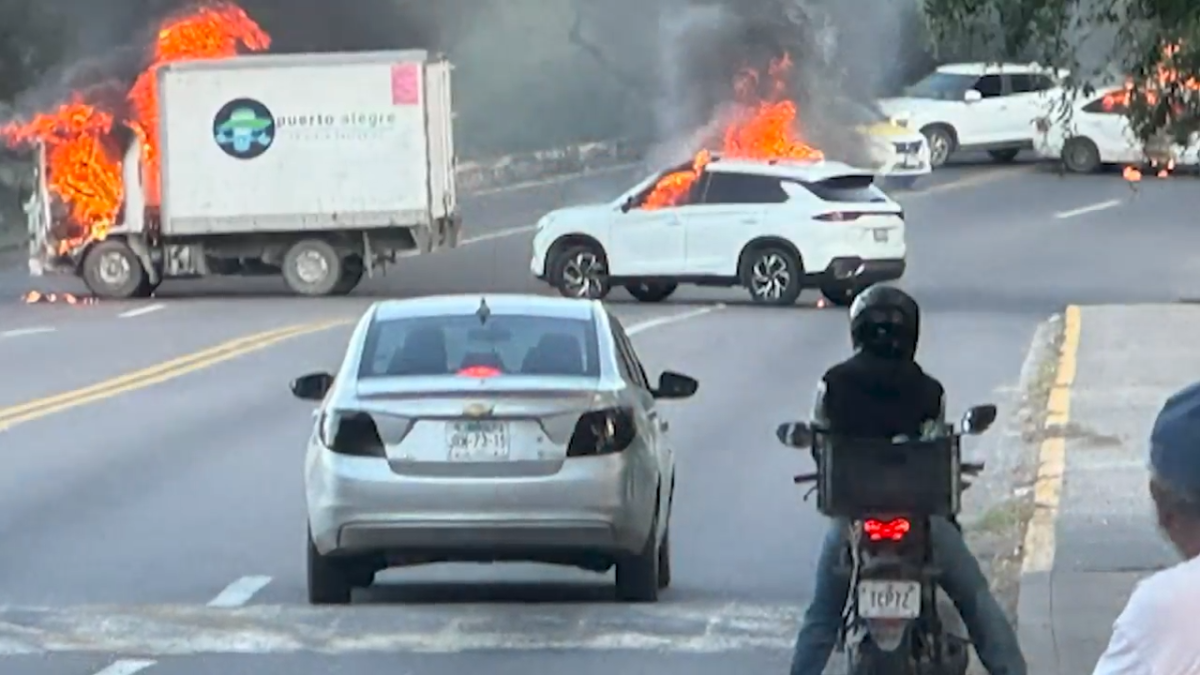
The escalating violence in Mexico following the death of Jalisco New Generation Cartel (CJNG) leader Nemesio Rubén Oseguera Cervantes, known as “El Mencho,” has left tourists and residents alike caught in the crossfire. Reports emerging from popular destinations like Puerto Vallarta and Guadalajara paint a picture of widespread unrest, with cartel members engaging in open confrontations and disrupting daily life. The situation has prompted urgent travel advisories and left many scrambling to uncover safety, including American citizens vacationing in the region.
Yoni Pizer, a resident of Chicago, recounted a terrifying experience to NBC Chicago, detailing how he, his husband, and friends were forced to flee for their lives after being attacked by members of the CJNG in Puerto Vallarta. The incident underscores the rapidly deteriorating security situation in parts of Mexico and highlights the risks faced by those traveling to or residing in areas controlled by powerful drug cartels. This surge in violence comes after Mexican security forces killed El Mencho during a military operation in the western state of Jalisco on February 22, 2026, according to Mexico’s Ministry of Defense.
Cartel Violence Erupts After Leader’s Death
The death of El Mencho, considered one of the most ruthless drug kingpins in the world, triggered a wave of retaliatory violence across western Mexico. The CJNG, known for its extensive trafficking of fentanyl and other drugs into the United States, responded to the loss of its leader by blocking roads, setting vehicles ablaze, and engaging in shootouts with security forces. CBS News reported that cartel members also threatened civilians in the streets, creating a climate of fear and chaos. U.S. Deputy Secretary of State Christopher Landau described El Mencho as “one of the bloodiest and most ruthless drug kingpins,” emphasizing the significance of his removal.
The operation that led to El Mencho’s death involved a joint effort between Mexican security forces and the U.S. Military, through the Joint Interagency Task Force-Counter Cartel, which regularly collaborates with the Mexican military via the U.S. Northern Command. According to a U.S. Defense official quoted by CBS News, the U.S. Provided intelligence support for the operation, but it remained a Mexican-led initiative. The White House press secretary, Karoline Leavitt, confirmed the U.S. Intelligence contribution via social media. Mike Vigil, former DEA Chief of International Operations, characterized the military operation as “one of the most significant actions undertaken in the history of drug trafficking,” comparing El Mencho’s stature to that of Joaquín “El Chapo” Guzmán and Ismael “El Mayo” Zambada.
Chicago Residents Caught in the Crossfire
Yoni Pizer’s harrowing account provides a firsthand glimpse into the dangers faced by civilians in Puerto Vallarta. “The gunmen were following us and they were shooting,” Pizer said, describing the chaotic scene as he and his companions attempted to escape. “And they were attacking cars and pulling out drivers. At that point, we just ran as fast as we could.” Pizer’s SUV was set on fire during the attack, but the group was eventually rescued by a Good Samaritan who drove them to safety. However, Pizer became separated from his husband during the ordeal.
Later, Pizer learned that his husband had sought refuge in an orphanage while he secured their condo. “Obviously we want them to get home but it’s about two, three miles from where we live and the government is saying no one should leave their homes right now,” Pizer explained, highlighting the widespread fear and uncertainty gripping the region. Authorities have urged residents to remain indoors as security forces attempt to regain control of the streets.
Disruptions Beyond Puerto Vallarta
The unrest extends beyond Puerto Vallarta, with reports of significant disruptions in Guadalajara, approximately 200 miles away. Omar Casillas, a runner participating in a half-marathon, described a scene of panic as people began fleeing the race amidst the escalating violence. He recounted receiving urgent text messages from his family instructing him to barricade his doors and prepare to evacuate. Casillas was forced to shelter in place at his Airbnb as buildings and cars burned in the city, and his flight from Guadalajara’s airport was canceled due to the ongoing chaos.
The situation in Guadalajara underscores the widespread impact of the cartel’s response to El Mencho’s death. The disruption of transportation and the threat to civilian safety have created a challenging environment for both residents and visitors. The Mexican government has deployed additional security forces to the region in an attempt to restore order, but the situation remains volatile.
The Jalisco New Generation Cartel: A Profile
The Jalisco New Generation Cartel (CJNG) has emerged as one of Mexico’s most powerful and violent criminal organizations. Founded in 2009, the cartel has rapidly expanded its influence through a combination of ruthless tactics, strategic alliances, and a sophisticated understanding of drug trafficking routes. The CJNG is heavily involved in the production and trafficking of fentanyl, methamphetamine, cocaine, and other illicit substances, primarily destined for the United States market.
Unlike some other Mexican cartels that focus on specific territories, the CJNG operates in a wider range of states across Mexico, challenging the dominance of established criminal groups. The cartel’s willingness to engage in direct confrontations with security forces and rival cartels has contributed to the escalating violence in the country. The U.S. State Department has designated the CJNG as a Significant Foreign Narcotics Trafficker, offering rewards for information leading to the arrest of its leaders.
Travel Advisories and Safety Concerns
The U.S. Department of State has issued travel advisories for Mexico, urging U.S. Citizens to exercise increased caution due to crime and violence. Specific regions, including Jalisco, are under a Level 4 “Do Not Travel” advisory, the highest level of alert. The advisory warns of the risk of kidnapping, extortion, and armed conflict, particularly in areas known to be controlled by cartels.
Travelers are advised to avoid high-risk areas, remain vigilant, and report any suspicious activity to local authorities. The State Department also recommends enrolling in the Smart Traveler Enrollment Program (STEP) to receive alerts and make it easier to locate U.S. Citizens in the event of an emergency. The ongoing violence underscores the importance of carefully considering the risks before traveling to Mexico and taking appropriate safety precautions.
The Mexican government has not yet announced a timeline for restoring normalcy to the affected regions. Security operations are ongoing, and authorities are working to apprehend remaining cartel members and prevent further violence. The situation remains fluid, and travelers are advised to stay informed about the latest developments and heed the guidance of local authorities and the U.S. Department of State.
Key Takeaways:
- The death of CJNG leader El Mencho triggered widespread violence across western Mexico.
- American citizens, including residents of Chicago, have been caught in the crossfire.
- The U.S. Department of State has issued “Do Not Travel” advisories for several Mexican states.
- The CJNG remains a powerful and dangerous criminal organization.
The situation in Mexico remains volatile, and further updates are expected as security forces continue their operations. The World Today Journal will continue to monitor developments and provide timely and accurate reporting on this evolving story. We encourage readers to share their experiences and perspectives in the comments below.
Related reading