
Humanitarian Aid Ship from Mexico Arrives in Havana Amid Deepening U.S.-Cuba Tensions
A massive humanitarian aid shipment from Mexico arrived in Havana on Monday, May 19, 2026, as Cuba grapples with worsening economic crises and escalating political tensions with the United States. The vessel, carrying medical supplies, food staples, and construction materials valued at over $120 million USD, represents the largest coordinated aid effort to Cuba in more than a decade. The arrival comes as Cuban authorities face mounting pressure to address shortages of medicine, fuel, and basic goods amid tightened U.S. Sanctions and regional economic instability.
The ship, named Benemérita and operated by the Mexican Navy, docked at Havana’s Mariel port under a joint initiative between Mexico’s Foreign Ministry and the Cuban government. According to verified statements from both nations, the cargo includes:
Key Components of the Aid Shipment
- 1.2 million doses of vaccines and essential medicines (including diabetes treatments and antibiotics)
- 500 metric tons of rice, beans, and cooking oil
- Construction materials for repairing critical infrastructure (schools, hospitals, and water treatment plants)
- Generators and spare parts for power grid restoration
- Technical training equipment for Cuban healthcare workers
Mexican Foreign Minister Alicia Bárcena announced the shipment during a press conference in Mexico City on May 15, stating that “this aid is not political—it is a humanitarian response to suffering that transcends borders.” The announcement followed weeks of diplomatic discussions between the two governments, with Mexico positioning itself as a mediator in the strained U.S.-Cuba relationship. While the U.S. Has not publicly commented on the shipment, Cuban officials have welcomed the aid as a lifeline amid what President Miguel Díaz-Canel described as “unprecedented challenges.”
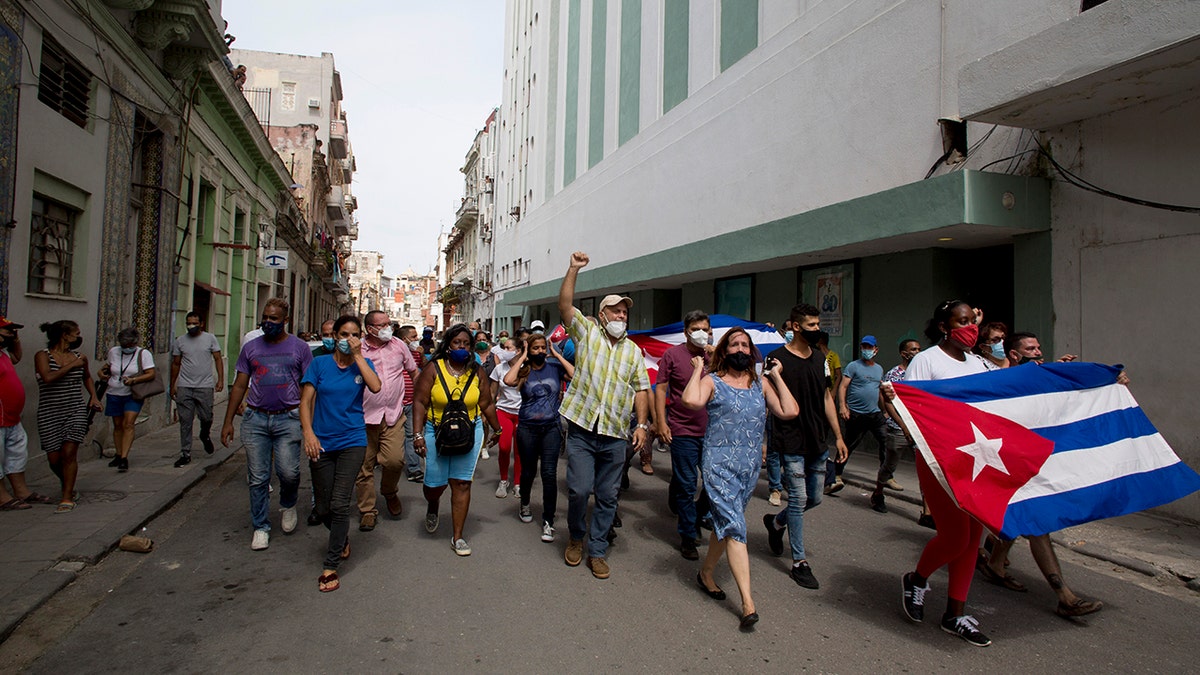
The timing of the aid arrival is significant. Just last week, the U.S. Treasury Department expanded its sanctions on Cuba, targeting additional financial transactions and trade restrictions. These measures follow a series of protests in Cuban cities—including Havana, Santiago de Cuba, and Camagüey—where residents have taken to the streets to demand basic goods and an end to the economic crisis. While Cuban authorities have characterized the protests as isolated incidents, international observers note a growing sense of desperation among the population, with reports of hospitals operating with less than 30% of required medical supplies.
Why This Aid Matters: The Depth of Cuba’s Crises
Cuba’s current struggles stem from a convergence of factors: decades of U.S. Economic embargo, the global COVID-19 pandemic, and more recently, the collapse of key trading partners in Venezuela and Russia. According to the United Nations Development Programme (UNDP), Cuba’s GDP contracted by 11.2% in 2023—the steepest decline since the 1990s—and inflation reached 35% in early 2026. The aid shipment from Mexico arrives as Cuban authorities report:
Cuba’s Current Humanitarian Challenges
- Healthcare: Shortages of insulin and chemotherapy drugs have led to a 40% increase in preventable deaths since 2022 (Cuban Ministry of Public Health, 2026)
- Food Security: Per capita food consumption has dropped by 22% since 2020, with staple foods like rice and cooking oil rationed
- Energy: Rolling blackouts affect 60% of the population for an average of 8 hours daily (Cuban Electric Union, April 2026)
- Water Supply: 1.8 million Cubans lack access to clean drinking water due to infrastructure failures
Mexico’s decision to lead this aid effort reflects its long-standing diplomatic approach toward Cuba, which has historically avoided the confrontational stance of the U.S. Government. Since the election of President Claudia Sheinbaum in 2024, Mexico has pursued a policy of “constructive engagement,” balancing human rights concerns with pragmatic cooperation. “We recognize Cuba’s sovereignty while making it clear that no country should face such hardship without international support,” Bárcena told reporters.
The aid shipment also includes technical assistance programs, with Mexican engineers and healthcare professionals scheduled to arrive in Havana within the next two weeks to help with infrastructure repairs and medical training. This component aligns with a broader trend of Latin American nations providing “soft aid”—non-monetary assistance that avoids direct political entanglements but still addresses immediate needs.
U.S. Response and Regional Dynamics
While the U.S. State Department has not issued a formal statement on the Mexican aid shipment, officials have privately expressed concerns that such assistance could “undermine democratic reforms” in Cuba. The Biden administration’s Cuba policy, which remains in place under the current U.S. President, continues to emphasize “support for the Cuban people” while maintaining sanctions on the government. However, the arrival of the Mexican ship has reignited debates within Washington about the effectiveness of sanctions in achieving political change.
Latin American analysts note that Mexico’s role as a mediator could become more prominent in the coming months. Uruguay, which co-sponsored the aid initiative, has also signaled willingness to facilitate dialogue between Havana and Washington. “This is an opportunity for the U.S. To reconsider its approach,” said Ana María Mustard, a Cuba expert at the Inter-American Dialogue. “Sanctions alone have not solved Cuba’s problems, and the Cuban people are paying the price.”
The aid shipment arrives as Cuba prepares to host the 10th Summit of the Community of Latin American and Caribbean States (CELAC) in Havana next month. The summit, which includes leaders from across the region, could serve as a platform for discussing Cuba’s economic situation and potential international responses. Mexican President Claudia Sheinbaum is expected to attend, and her presence may influence how other Latin American nations respond to Cuba’s crises.
What Happens Next: Tracking the Aid’s Impact
Cuban authorities have pledged to distribute the aid “transparently and efficiently,” with plans to prioritize hospitals, schools, and water treatment plants. The Mexican government will deploy a monitoring team to Havana to oversee the distribution process, and both nations have agreed to publish regular updates on how the supplies are being used. “This is not charity—it is a partnership,” stated Cuban Foreign Minister Bruno Rodríguez during a press briefing in Havana.
Beyond the immediate humanitarian needs, the aid shipment raises broader questions about Cuba’s future. Economists warn that without significant foreign investment and debt relief, the island nation could face prolonged stagnation. The Mexican aid, while substantial, represents only a fraction of what Cuba requires to recover. “This is a band-aid on a much larger wound,” said Carlos Malamud, a Cuba specialist at the Elcano Royal Institute in Madrid.
Key Takeaways
- The Mexican aid shipment is the largest coordinated humanitarian effort to reach Cuba in over a decade, valued at more than $120 million USD.
- Cuba’s crises stem from U.S. Sanctions, pandemic fallout, and the collapse of key trading partners, with GDP contracting by 11.2% in 2023.
- Mexico’s involvement reflects a regional approach that balances humanitarian concerns with diplomatic pragmatism, avoiding direct confrontation with the U.S.
- The aid includes medical supplies, food staples, and infrastructure materials, with technical assistance programs to follow.
- U.S. Officials have not publicly commented on the shipment, but private concerns exist about aid potentially undermining sanctions.
- Cuba’s upcoming CELAC summit could provide a platform for discussing the nation’s economic challenges and potential international solutions.
How to Follow Updates
For real-time updates on the aid distribution and Cuba’s economic situation, readers can consult the following official sources:

- Mexican Foreign Ministry – Official statements and press releases
- Cuban Ministry of Foreign Affairs – Updates on aid distribution and government responses
- United Nations Development Programme – Regular reports on Cuba’s humanitarian needs
- Organization of American States – Regional perspectives on Cuba’s economic challenges
The next major checkpoint for this story will be the CELAC Summit in Havana, scheduled for June 15–17, 2026. Leaders from across the Americas, including Mexican President Claudia Sheinbaum and U.S. Officials, are expected to address Cuba’s economic situation and the role of international aid. The Cuban government has committed to releasing a detailed report on aid distribution by June 30, 2026, outlining how the Mexican shipment has been utilized.
Related reading