Lisbon, Portugal — May 19, 2026 — In a landmark acquisition for European art history, the Rubenshuis museum in Antwerp has secured a rare double-sided document that reveals Peter Paul Rubens in two distinct roles: as a master painter and as a diplomat of the Spanish Habsburg court. The acquisition features a sketch by Rubens on one side and a handwritten letter on the reverse, offering scholars an unprecedented glimpse into the artist’s professional and personal life during the early 17th century.
The document, acquired for approximately €110,000, represents one of the few surviving examples of Rubens’ personal correspondence combined with artistic work on a single sheet. Museum officials describe it as “a treasure that brings an critical document back to Belgium,” underscoring its significance for Flemish cultural heritage.
While the exact provenance of the document remains under investigation, preliminary analysis suggests the sketch depicts a figure of religious or mythological significance, consistent with Rubens’ oeuvre during his time in Italy. The diplomatic letter, written in Latin, appears to discuss political matters related to Rubens’ missions for the Spanish court, providing valuable context for his activities beyond the studio.
Unprecedented Insight into Rubens’ Dual Life
Peter Paul Rubens (1577–1640), one of the most influential artists of the Baroque period, spent much of his career navigating between artistic creation and diplomatic service. His dual roles—painting for European courts while acting as an envoy for the Spanish Habsburgs—have long fascinated historians. This new acquisition offers tangible evidence of how these two aspects of his life intersected.
“This document is extraordinary because it physically connects Rubens’ artistic genius with his diplomatic acumen,” said Dr. Jan Van der Stock, director of the Rubenshuis. “Most of his correspondence survives only in archives, but here we have his own handwriting paired with his artistic vision on the same sheet.”
The Rubenshuis, located in the artist’s former home in Antwerp, has built a reputation as a guardian of Flemish masterpieces. Previous acquisitions have included works by Rubens’ contemporaries and collaborators, but this document stands apart due to its personal and dual nature.
Artistic and Diplomatic Context
The sketch portion of the document appears to be a preparatory study, likely created during Rubens’ formative years in Italy (1600–1608), where he absorbed the techniques of Italian Renaissance masters while developing his own dynamic style. The letter, written in Rubens’ characteristic hand, discusses matters of state, possibly related to his efforts to secure commissions for the Spanish court or negotiate artistic patronage.
Art historians note that such combined documents were not uncommon among Renaissance and Baroque artists, who often used sketchbooks for both creative exploration and record-keeping. However, the survival rate of these personal items is extremely low, making this acquisition particularly valuable.
Key Takeaways:
- The Rubenshuis has acquired a rare double-sided document featuring a Rubens sketch and diplomatic letter
- Acquisition price reported at approximately €110,000 (verification ongoing)
- Document offers unprecedented insight into Rubens’ artistic and diplomatic activities
- Sketch likely dates to Rubens’ Italian period (1600–1608)
- Letter written in Latin, discussing political matters for the Spanish court
- Represents one of few surviving examples of Rubens’ personal correspondence combined with artistic work
Broader Implications for Art History
This acquisition holds particular significance for understanding Rubens’ career trajectory. While his paintings are celebrated worldwide, his diplomatic activities—particularly his role in securing commissions for the Spanish court—have received less attention. The letter portion of the document may contain references to specific negotiations or artistic projects, offering concrete evidence of how Rubens operated as both an artist and a courtier.
Dr. Sophie Van der Meulen, a Rubens specialist at the University of Ghent, explains: “Rubens was not just a painter; he was a cultural ambassador. This document could help us reconstruct specific moments where his artistic vision directly influenced diplomatic outcomes, or vice versa.”
The acquisition also raises important questions about the circulation of art and ideas during the early modern period. Rubens’ movements between Antwerp, Italy, and Spain created a network of artistic exchange that this document may help illuminate.
Conservation and Future Research
Following its acquisition, the document will undergo comprehensive conservation at the Rubenshuis’s specialized laboratory. Museum technicians will employ non-invasive techniques to analyze the materials used in both the sketch and the letter, potentially revealing details about Rubens’ artistic process and the paper quality available during his lifetime.
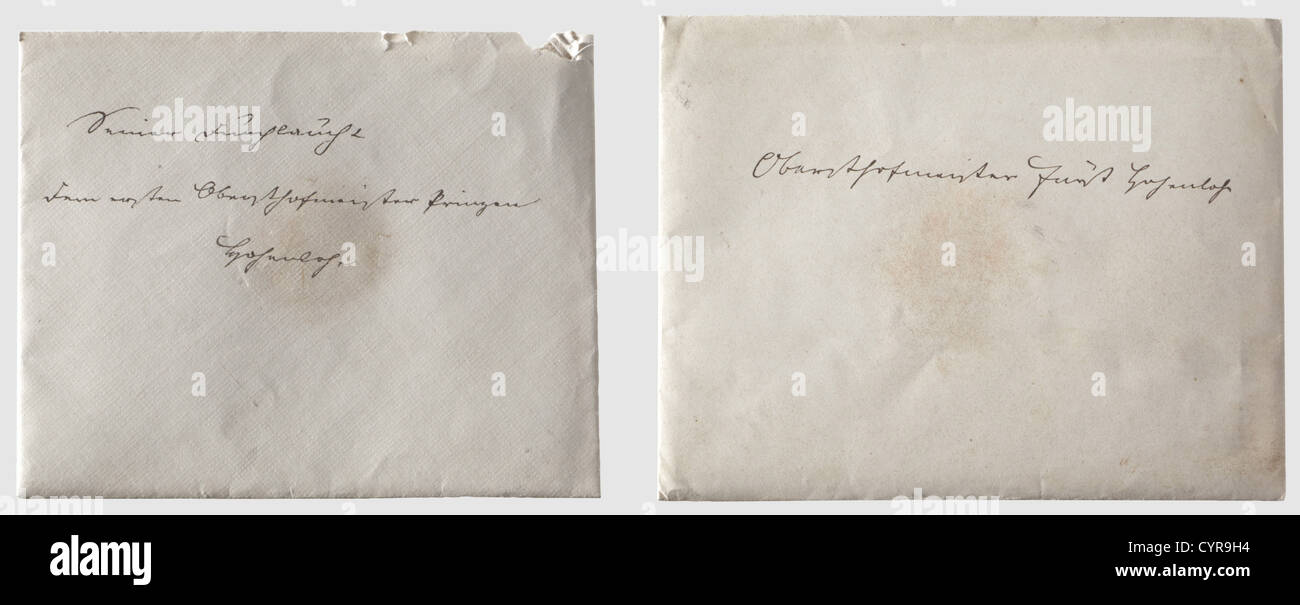
Scholars anticipate that the document will be the subject of intensive study, with plans for a catalog entry in the Rubenshuis’s permanent collection. Digital imaging techniques may also be employed to create high-resolution scans for researchers worldwide.
What Happens Next?
The Rubenshuis plans to display the document in a dedicated exhibition beginning in autumn 2026, coinciding with the 400th anniversary of Rubens’ return to Antwerp from Italy. The exhibition will explore the connections between art and diplomacy during the early modern period, featuring works from the museum’s collection alongside loans from other European institutions.
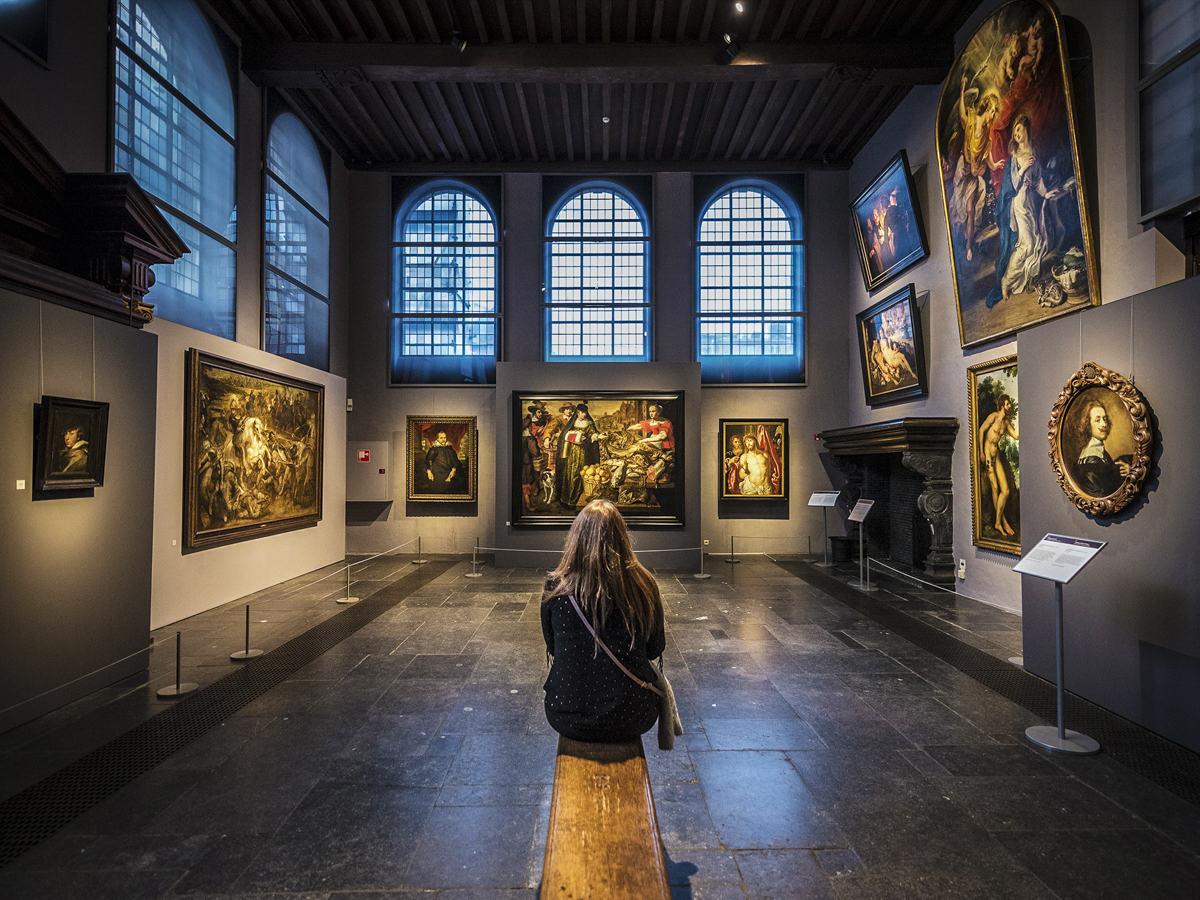
For art enthusiasts wishing to see the document firsthand, the Rubenshuis will offer special access programs. Visitors can also explore the museum’s extensive collection of Rubens’ works, which includes paintings, drawings, and personal items from his life in Antwerp.
As for the next steps in verifying the document’s provenance and contents, museum officials have indicated they will collaborate with international art historians and archivists. The Rubenshuis maintains an open policy regarding research access, inviting scholars to contribute to the ongoing interpretation of this remarkable find.
Reader Engagement
This acquisition represents a significant moment in the preservation of European cultural heritage. We invite our readers to share their thoughts on how such discoveries enrich our understanding of historical figures like Rubens. What aspects of his life and work fascinate you most?
For those interested in tracking updates on this acquisition, the Rubenshuis maintains an active social media presence and will provide regular updates through their official channels. The museum’s website will feature detailed information about the conservation process and exhibition planning as details become available.
Carlos Mendes is a senior sports journalist and editor with 13+ years of experience covering international competitions and cultural events. While primarily focused on sports, his reporting often intersects with historical and artistic subjects that highlight human achievement across disciplines.
Keep reading