Rising Discontent in Mexico City: A Generation Voices Its Concerns
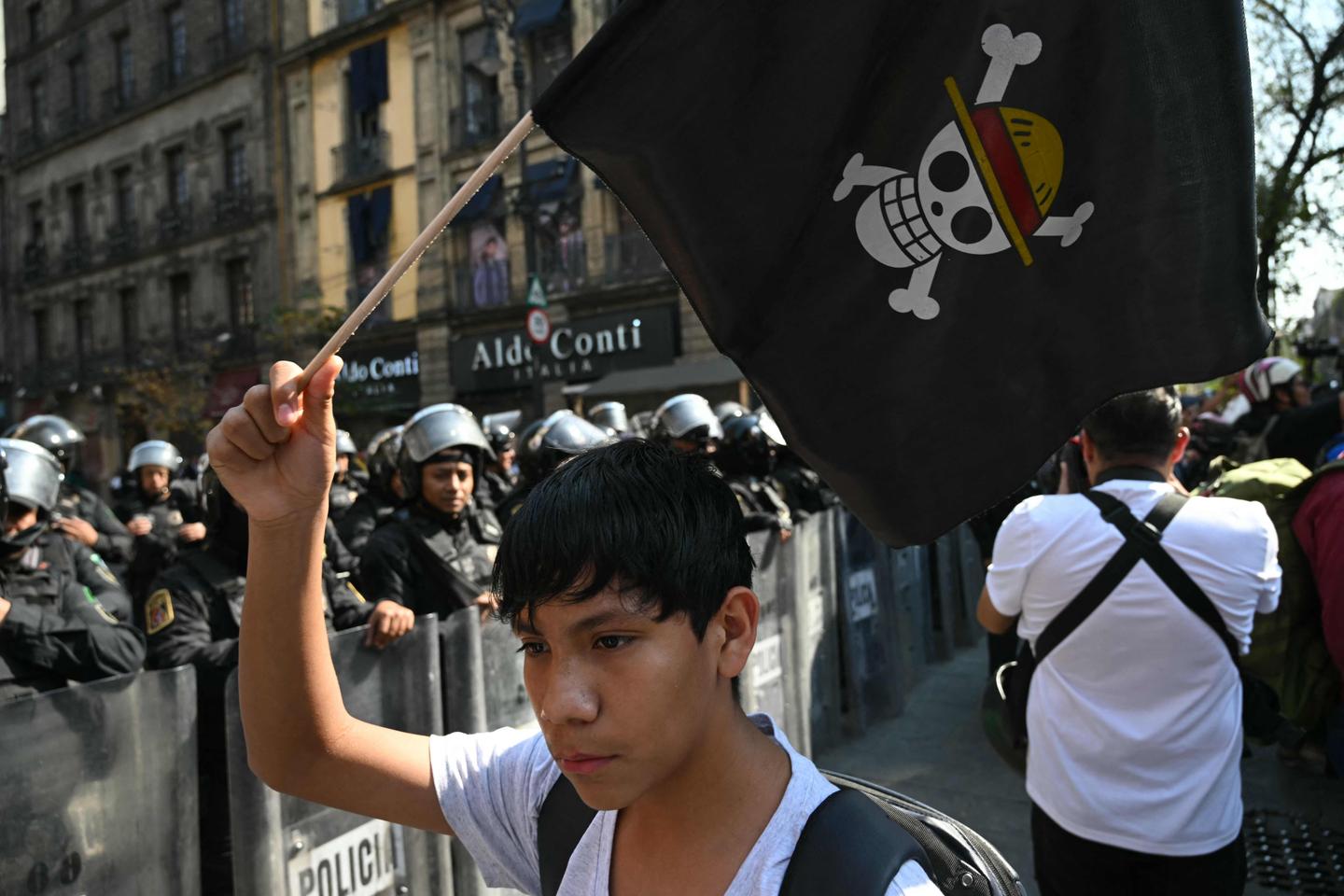
A palpable tension hangs in the air on Avenida Reforma in Mexico City. just steps away from a vendor selling One Piece pirate flags for roughly €1.50, a small but steadfast group of protestors faces a line of police. They’re demanding to be heard, voicing frustrations over corruption and escalating insecurity.
Emanuel montecristo, a 28-year-old construction worker, is among them. He traveled over two hours from the city’s outskirts to participate, driven by a deep-seated anger. His story, unfortunately, is becoming increasingly common.
Montecristo’s mother was forced to close her small pharmacy after receiving death threats from local racketeers. He recounts a disheartening experience with the police, who dismissed the threats as insignificant.”We went to the police, but they told us the threat wasn’t serious,” he explains, “I had to go into hiding, fearing for my life.”
This isn’t the first time Montecristo has taken to the streets recently. Five days prior, on November 15th, he joined his first ever demonstration. It was organized by a movement dubbed “Generation Z,” largely mobilized through social media platforms like TikTok, specifically targeting the government of President Claudia Sheinbaum.
The protest wasn’t peaceful. Montecristo still bears a burn on his abdomen from a tear gas canister launched by police during a forceful dispersal of the crowd. Official reports indicate 120 injuries - 84 police officers and 6 journalists among them – and 40 arrests.
What’s Fueling the Protests?
Several factors are converging to create this climate of unrest. Here’s a breakdown of the key issues:
* Corruption: A long-standing problem in Mexico, corruption continues to erode public trust and hinder economic advancement. Citizens feel increasingly vulnerable to extortion and abuse of power.
* Insecurity: Rising crime rates, especially in areas outside the capital, are a major concern. Many feel unprotected by law enforcement and fear for their safety.
* Economic Hardship: While Mexico’s economy has shown some growth, many citizens struggle with poverty and lack of opportunity. Small businesses, like Montecristo’s mother’s pharmacy, are particularly vulnerable.
* Generational Frustration: “Generation Z” – those born roughly between the late 1990s and early 2010s – are digitally native and accustomed to demanding accountability. They’re less tolerant of traditional power structures and more willing to challenge the status quo.
The Role of Social Media
Social media has been instrumental in amplifying these concerns and organizing protests. Platforms like TikTok allow for rapid dissemination of facts and mobilization of large groups of people.You’ll find a constant stream of videos documenting instances of police brutality,corruption,and everyday struggles.
This direct access to information bypasses traditional media channels and allows citizens to share their experiences directly with one another. it’s a powerful tool for building solidarity and demanding change.
Looking Ahead
The protests in Mexico City represent a growing wave of discontent. It’s a clear signal that many citizens feel unheard and unprotected. the government faces a significant challenge in addressing these concerns and restoring public trust.
For individuals like Emanuel Montecristo,the stakes are incredibly high.He,and many others like him,are simply seeking a safe and secure future for themselves and their families.Their voices, amplified by a new generation and the power of social media, are demanding to be heard.
It’s a situation that bears close watching, as it could have significant implications for the future of Mexico.