A Controversial Crowdfunding Campaign Sparks Debate After Deadly church Attack
A crowdfunding campaign launched to support the family of the man responsible for a devastating church shooting is igniting a fierce debate about victims, justice, and the complexities of tragedy. The incident, which unfolded at a chapel, left four people dead and many more grappling with unimaginable loss.
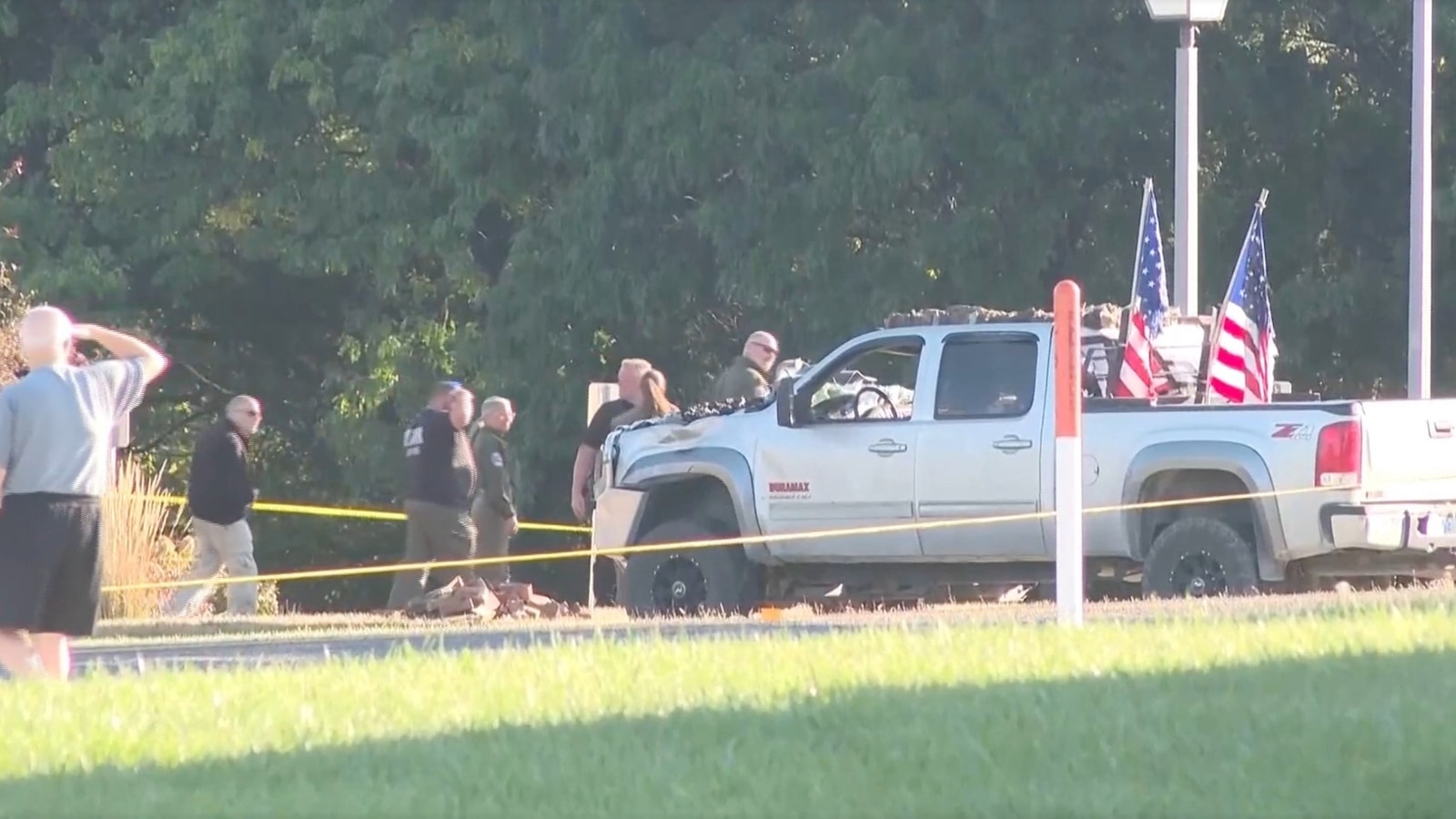
Following the attack, a man identified as the perpetrator crashed into the chapel and, armed with an assault rifle, opened fire on hundreds of worshipers. He then set the building ablaze, reducing it to ruins, according to authorities.
While investigators continue to piece together the motive behind this horrific act, emerging details suggest a possible connection to a past relationship. Friends of the shooter revealed he harbored resentment towards the faith after a previous relationship with a woman in Utah and even briefly considered converting to the religion himself.
A Campaign for the Perpetrator’s Family
Amidst the grief and outrage, a crowdfunding campaign was initiated to financially assist the shooter’s widow and family. The campaign’s creator argues that they, too, are victims in this tragedy.
“Yes, some of my people were murdered,” stated the campaign organizer. ”Yes, that was an awful and evil act.” Though, he emphasizes the profound loss experienced by the shooter’s family and the long-term economic hardship they now face, especially given a chronically ill child.
The campaign has garnered significant attention, and surprisingly, a significant number of donations appear to be coming from members of the same faith community targeted in the attack. Donors are reportedly offering prayers alongside their contributions, demonstrating a willingness to extend compassion even in the face of immense pain.
Facing Backlash and Defending the Effort
Understandably, the campaign has drawn considerable criticism.The organizer reports receiving harsh messages, with some accusing him of being “evil” and suggesting he should focus solely on supporting the actual victims of the shooting.
He firmly defends the effort, stating the widow did not condone her husband’s actions. He points out that she has lost a partner, and her children have lost a father, creating a ripple effect of suffering.
“They’re victims, too,” he insists. “They lost their father. That’s going to be an economic detriment to them for years.”
A Complex Question of Empathy
This situation forces you to confront difficult questions about empathy and the boundaries of compassion. Can you extend kindness to those connected to someone who has committed a terrible act? Is it possible to acknowledge their suffering without diminishing the pain of the direct victims?
The campaign organizer acknowledges the sensitivity of the situation. He hasn’t yet spoken directly with the widow but has connected with someone close to her, describing the conversation as deeply emotional.
“I’ve spoken to somebody else who’s close to her and it was a very hard conversation because they are suffering,” he shared.
As of now, the campaign has attracted the attention of over 7,500 people, with many agreeing that the shooter’s family deserves support alongside the victims and their loved ones. This case highlights the multifaceted nature of tragedy and the enduring power of human compassion, even in the most challenging circumstances.
Keep reading