
Michigan Governor Gretchen Whitmer has recently navigated a period of intense political scrutiny following a series of conflicting statements regarding her potential candidacy for the 2028 U.S. Presidential election. The governor, a prominent figure within the Democratic Party, initially indicated that she would not pursue a bid for the White House, only to walk back those remarks shortly thereafter, sparking widespread debate about the future of the Democratic ticket.
The confusion began during a media appearance in which the governor appeared to definitively rule out a run for president in 2028. However, in a shift that caught many political observers off guard, her office and subsequent comments clarified that no such final decision had been reached. This rapid reversal highlights the volatile nature of early presidential speculation, even years before the next election cycle officially commences.
The Context of 2028 Presidential Speculation
Speculation regarding the 2028 field is already intensifying among political analysts and party strategists. As governors and national figures begin to position themselves for potential campaigns, the importance of clarity in public statements cannot be overstated. Gretchen Whitmer, who is currently serving her second term as the governor of Michigan, has frequently been cited as a potential contender due to her electoral success in a key swing state. According to the Official Office of the Governor, her administration has focused heavily on infrastructure, education, and economic development, which are often viewed as foundational platforms for national political aspirations.
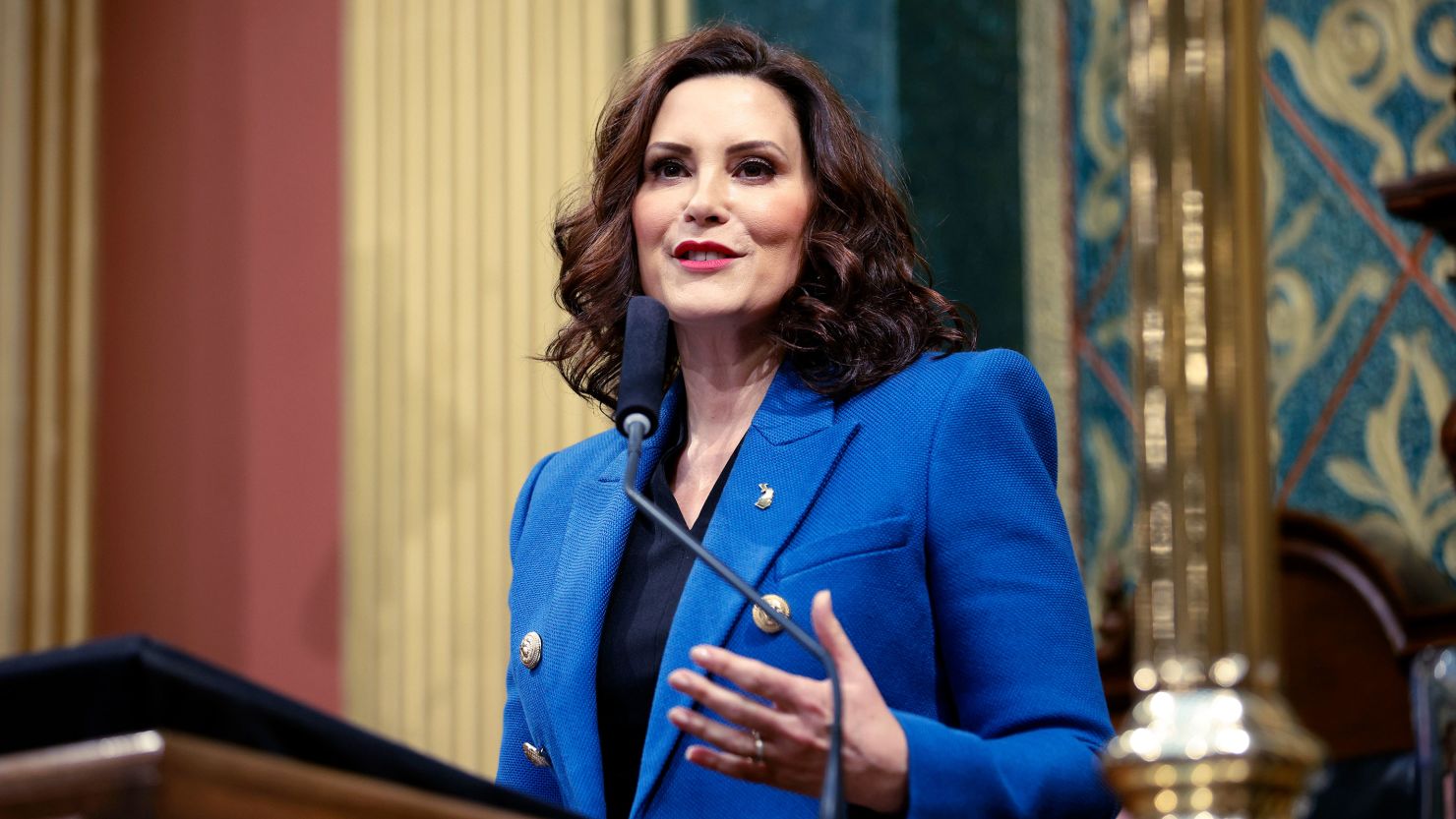
The back-and-forth regarding her 2028 intentions reflects the broader challenges that potential candidates face when navigating the “invisible primary”—the period of fundraising, networking, and public positioning that occurs long before the first primary votes are cast. While many politicians adopt a policy of non-denial when asked about future runs, a direct statement followed by a retraction is a rare occurrence that can complicate a candidate’s narrative.
Understanding the Political Landscape
For voters and observers, the question of who might seek the presidency remains a central focus of national discourse. The Democratic Party is currently navigating a period of introspection following recent electoral cycles. Understanding how potential candidates like Whitmer interact with the media is crucial for those following the development of the 2028 field. Political experts often point to the “Governor’s Advantage”—the ability to point to tangible policy achievements at the state level—as a major asset in presidential bids. In Michigan, the governor has signed numerous pieces of legislation into law, including measures related to reproductive rights and environmental protection, which are tracked by the Michigan Legislature.
When a high-profile politician makes a comment that is later walked back, it often prompts a deeper look into the pressures of modern political life. The 24-hour news cycle and the rapid spread of information on social media mean that even off-the-cuff remarks can quickly become major headlines. For a governor governing a state as pivotal as Michigan, the scrutiny is particularly intense.
Key Takeaways on the 2028 Political Outlook
- Clarity vs. Ambiguity: Political figures often maintain ambiguity about future runs to keep their options open and avoid premature “lame duck” status.
- The Michigan Factor: As a swing state, Michigan remains a critical battleground, and its governor’s political moves are closely watched by national party leadership.
- Media Dynamics: The rapid cycle of reporting and social media amplification means that statements regarding presidential bids are subject to immediate and widespread analysis.
- Future Developments: Interested parties are encouraged to monitor official press releases from the Michigan Governor’s Office for the most accurate and up-to-date information regarding her policy agenda and political future.
As the political calendar moves forward, the focus will likely shift from individual comments to the broader policy debates that will define the 2028 election. Whether or not Governor Whitmer chooses to enter the race, her influence on the Democratic Party’s platform and the national conversation remains significant. For now, the governor continues to focus on her duties in Lansing, managing the state’s budget and legislative priorities.
The next major checkpoint for political observers will be the upcoming legislative sessions and any potential campaign filings that may occur as the cycle progresses. We will continue to track these developments closely. We invite our readers to share their thoughts in the comments section below and stay tuned for further updates as the 2028 election cycle takes shape.