
In the quiet of my clinic in Berlin, the question I am asked most frequently—often before a patient has even sat down—is whether they should prioritize a hearty breakfast or embrace the trend of intermittent fasting to optimize their metabolism. As a physician, I have watched the pendulum of nutritional advice swing wildly over the last decade. From the “breakfast is the most significant meal of the day” dogma of the 1990s to the current fascination with time-restricted eating, the search for the metabolic “holy grail” is constant.
The truth, however, is far more nuanced than a simple binary choice between morning toast and an empty stomach. Understanding how to regulate your metabolism—the complex chemical processes that turn food into energy—requires looking beyond trending headlines and into the biological realities of your circadian rhythm and insulin sensitivity. Whether you are aiming for weight management or simply trying to sustain stable energy levels throughout the day, the answer lies in biology, not just timing.
Metabolic Flexibility and the Circadian Clock
To understand why the debate between breakfast and fasting exists, we must first address the concept of metabolic flexibility. This is the body’s ability to switch efficiently between burning carbohydrates and burning fats depending on availability and demand. According to research published by the Endocrine Society, our bodies are not static fuel burners; they are governed by a central internal clock located in the hypothalamus, which synchronizes peripheral clocks in organs like the liver, pancreas, and adipose tissue.
These peripheral clocks are highly sensitive to the timing of food intake. When we eat, we trigger a cascade of hormonal responses, primarily involving insulin and glucagon. Intermittent fasting—often practiced as the 16:8 protocol—seeks to leverage this by extending the period during which the body is in a “fasted” state. During this window, insulin levels drop, allowing the body to mobilize stored fat for energy. For many, this provides a structured way to reduce overall caloric intake, which remains a primary driver for weight-related metabolic improvements, as noted in clinical reviews by the National Institutes of Health.
The Case for Breakfast and Insulin Sensitivity
Conversely, the argument for breakfast is rooted in the body’s heightened insulin sensitivity during the morning hours. Many studies suggest that consuming the majority of your daily calories earlier in the day aligns better with the natural diurnal rhythm of human metabolism. When we eat a balanced breakfast, we are essentially “breaking” the overnight fast and signaling to our metabolic machinery that energy is available, which can prevent the late-night hunger that often leads to overeating.
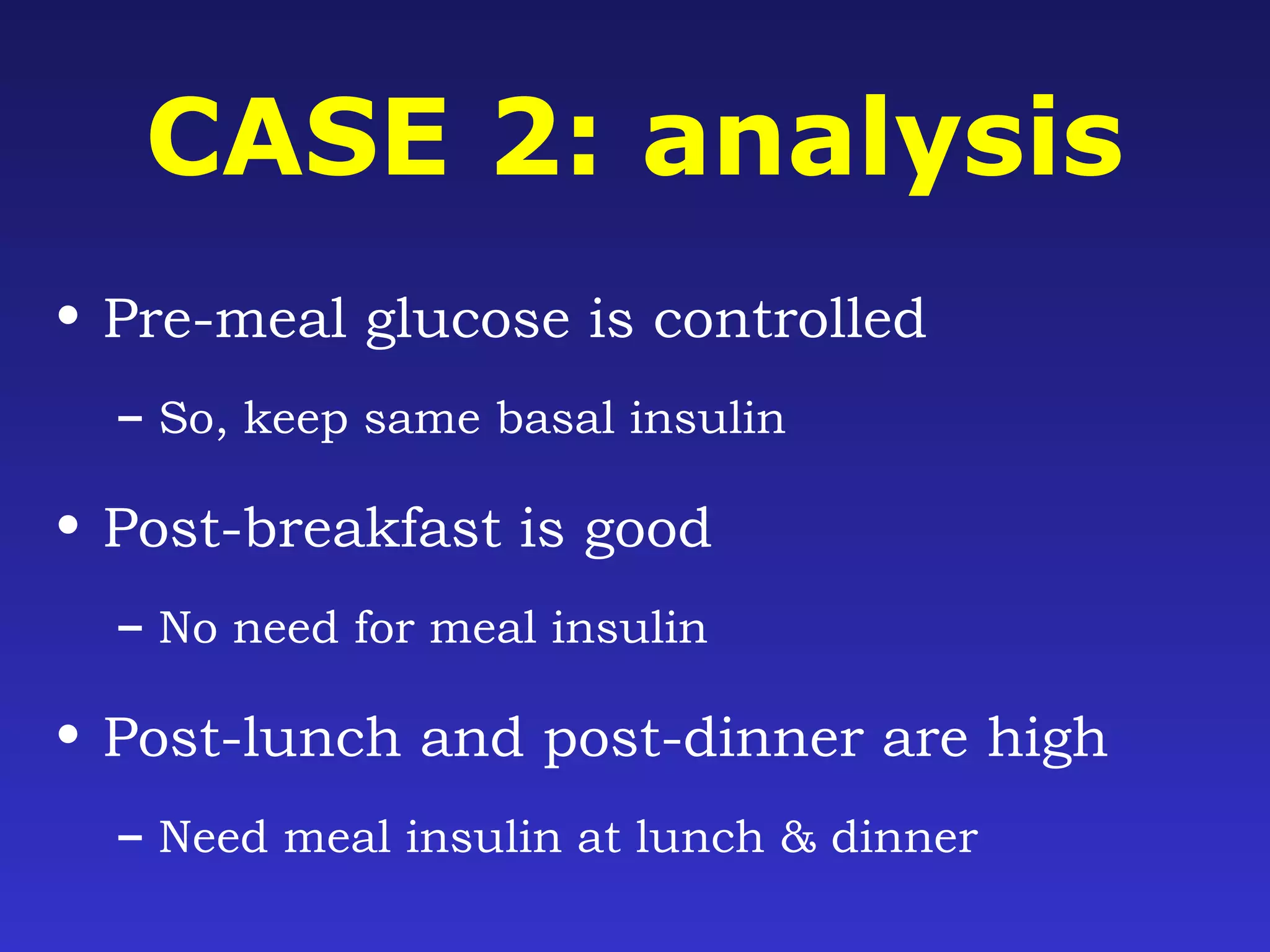
However, the quality of that breakfast is the deciding factor. A breakfast high in refined carbohydrates and sugars will cause a sharp spike in blood glucose, followed by a rapid crash, leaving you fatigued by mid-morning. For a metabolically healthy individual, a breakfast rich in fiber, protein, and healthy fats helps maintain steady glucose levels, which is far more beneficial than the act of eating itself. Research from the National Center for Biotechnology Information underscores that the composition of meals—specifically the inclusion of protein to promote satiety—is a critical factor that often gets lost in the “to fast or not to fast” debate.
Practical Strategies for Metabolic Health
If you are looking to improve your metabolic health, focus less on rigid labels and more on internal consistency. Here are the pillars of metabolic support that hold up under clinical scrutiny:
- Prioritize Nutrient Density: Regardless of when you eat, ensure your first meal contains sufficient protein to support muscle maintenance and blood sugar stability.
- Respect the Circadian Window: Try to consume your meals during daylight hours. Evidence suggests that late-night eating, particularly high-calorie meals, is poorly processed by the body as it prepares for sleep.
- Listen to Your Biofeedback: If you find that skipping breakfast leaves you irritable, prone to headaches, or reaching for high-sugar snacks by noon, your body is likely telling you that fasting is not the right fit for your current metabolic state.
- Hydration is Fundamental: Often, what we perceive as hunger in the morning is actually mild dehydration. Start your day with water to support cellular function before considering solid food.
Who Should Avoid Fasting?
It is important to emphasize that intermittent fasting is not a universal recommendation. For individuals with a history of disordered eating, pregnant or breastfeeding women, and those managing specific medical conditions like Type 1 diabetes, restrictive timing can be counterproductive or even dangerous. Always consult with your primary care physician or a registered dietitian before making significant shifts in your eating schedule. According to the American Diabetes Association, those on insulin or certain oral medications must be particularly cautious, as fasting can significantly increase the risk of hypoglycemia.
The Bottom Line: What the Metabolism Really Needs
the metabolism does not care about the clock as much as it cares about the consistency and quality of the fuel provided. Whether you choose a balanced breakfast or prefer a later start to your eating window, the goal should be metabolic flexibility—the ability to utilize energy efficiently without constant spikes and crashes. There is no “one-size-fits-all” approach in clinical nutrition. The most successful strategy is the one that you can sustain long-term without compromising your mental well-being or nutritional intake.
As we continue to monitor advancements in nutritional science, keep an eye on upcoming guidelines from global health organizations regarding personalized nutrition. The field is moving toward a model where metabolic health is tailored to the individual’s genetic and lifestyle markers. For now, focus on the fundamentals: whole foods, adequate protein, and a rhythm that supports your natural energy levels.
Have you experimented with time-restricted eating or a structured breakfast routine? What has been your experience with sustained energy levels? Share your thoughts in the comments below—I look forward to hearing how these strategies work for you in practice.
Worth a look