
Researchers have identified 10-hydroxystearic acid as a microbiota-derived metabolite that binds to PPAR-alpha, repairing gut barrier damage and enhancing antiretroviral therapy in primate models of HIV. Published in Nature Microbiology, the findings point to a new therapeutic strategy for chronic inflammation and immune recovery.
Current antiviral treatments successfully control viral replication, but they often fail to reverse the profound destruction that HIV inflicts on the gastrointestinal tract. Gut-associated lymphoid tissue serves as an early target for the virus, which strips away epithelial and immune cells, triggers severe inflammation, and disrupts mitochondrial function. Even patients who maintain strict adherence to antiretroviral regimens frequently suffer from chronic, virus-driven gut inflammation. To tackle this barrier dysfunction, researchers investigated how microbial metabolites interact with the inflamed intestinal environment.
How 10-HSA Binds to PPAR-Alpha to Repair Gut Epithelial Tissue
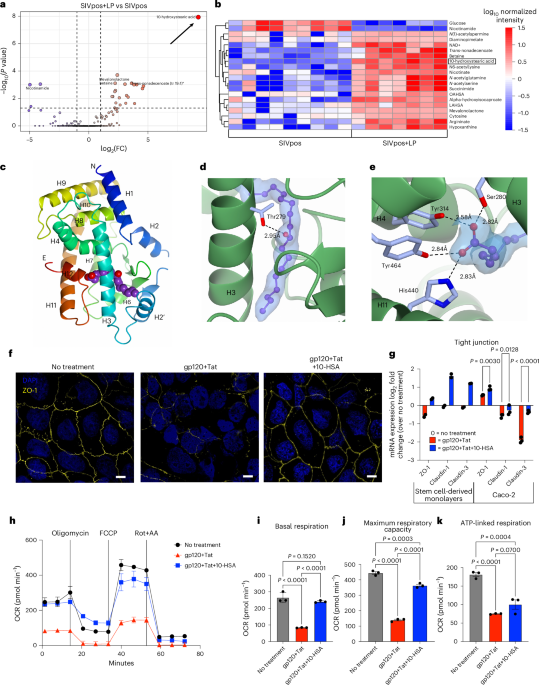
Investigators tracked the metabolic activity of Lactiplantibacillus plantarum—a common bacterium found in fermented foods, over-the-counter probiotics, and the human gut—inside the virally inflamed intestines of nonhuman primates. Out of hundreds of molecules produced by the bacterium, untargeted metabolomics identified 10-hydroxystearic acid as the most upregulated candidate.
Gaussian accelerated molecular dynamics simulations and subsequent X-ray crystallography of the 10-HSA–PPAR-alpha complex revealed precise structural interactions. The 10-hydroxyl group in 10-HSA forms a hydrogen bond with the T279 amino acid residue, while its carboxylic acid group binds to H440, Y464, Y314, and S280 residues in the ligand-binding domain of PPAR-alpha. These specific amino acid contacts trigger agonist activation, promoting lipid metabolism, mitochondrial regeneration, and epigenetic histone crotonylation.
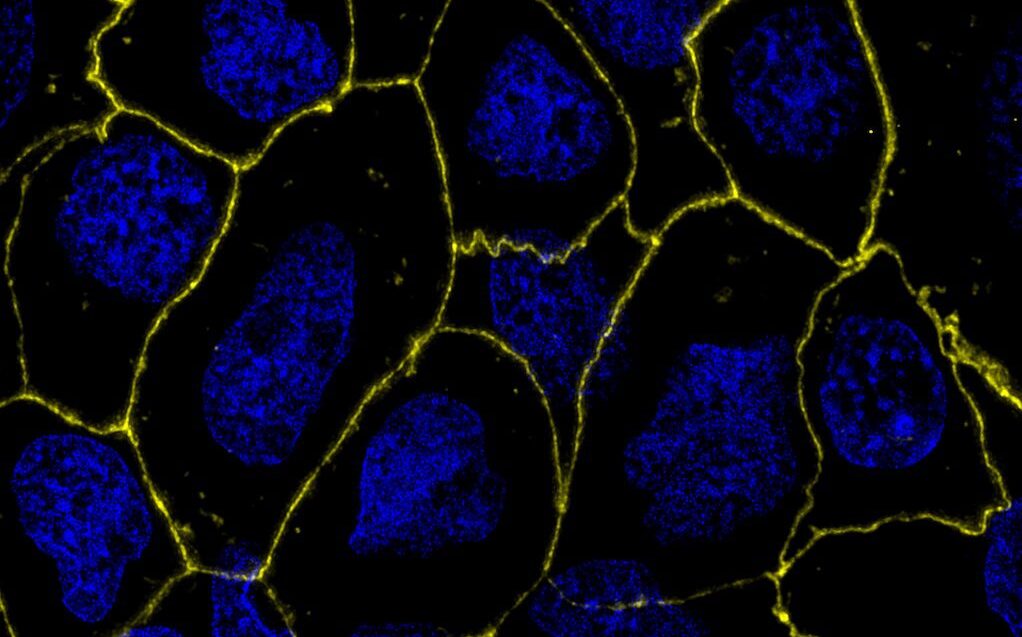
When tested in human gut epithelial models—including Caco-2 cells and duodenal stem cell-derived epithelial monolayers exposed to HIV viral antigens like gp120 and Tat—10-HSA preserved ZO-1 tight junction structure and restored trans-epithelial electrical resistance. Furthermore, the metabolite increased basal, maximum, and ATP synthase-linked mitochondrial respiration while dampening reactive oxygen species.
Preclinical Primate Studies Reveal Faster Viral Clearance and Immune Recovery
To evaluate these mechanisms in vivo, researchers conducted independent studies at the UC Davis National Biomedical Research Institute using nonhuman primates infected with simian immunodeficiency virus. Administering 10-HSA alone led to structural intestinal repair, improved mitochondrial health, reduced inflammatory signaling, and a partial restoration of beneficial gut microbiota.
When paired with antiretroviral treatment, 10-HSA accelerated viral burden clearance compared to antiviral drugs alone. The combination therapy also fostered a faster rebound of gut immune cells, lowered overall immune activation, and re-established microbial diversity.
While the observations remain confined to preclinical models, the studies recorded no adverse effects. Investigators suggest that targeting gut-derived pathways could eventually translate into human clinical trials.
Broader Implications for Gut Dysbiosis and Critical Care
The therapeutic potential of gut microbiota metabolites extends beyond retroviral infections. In separate research published in Burns & Trauma, investigators at Zhongshan Hospital of Fudan University examined how gut-derived metabolites influence immune cell behavior during severe bacterial pneumonia and sepsis. Using a Klebsiella pneumoniae infection model, the team demonstrated that butyric acid restores the function of CX3CR1-positive natural killer cells, which are essential for early defense in the lungs.
Depleting the gut microbiota in mice led to severe lung injury, higher bacterial loads, and diminished interferon-gamma production. Restoring the microbiome via fecal transplantation or direct supplementation with butyric acid reinstated natural killer cell migration, activated the PI3K/AKT signaling pathway, and improved survival rates.
Together, these findings underscore a growing medical shift toward microbiota-informed interventions. Whether through 10-HSA addressing mucosal damage in HIV or butyric acid supporting innate immunity in critical illness, modulating intestinal metabolism offers a practical adjunct to traditional therapies.
Related reading