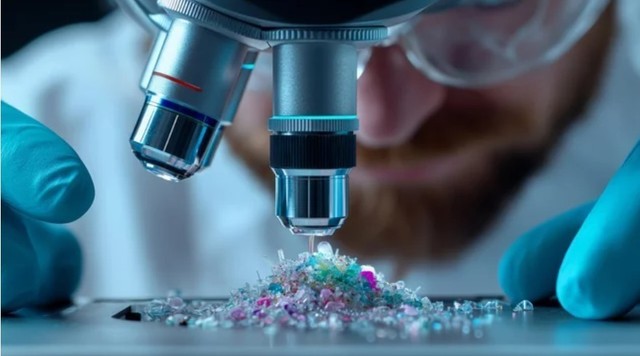
The specter of microplastics, those ubiquitous particles resulting from the breakdown of larger plastic items, has expanded to a deeply concerning fresh area: cancer. Recent research indicates a significant presence of microplastics within prostate tumor tissue, raising questions about a potential link between environmental exposure and the development of this common malignancy. This discovery, presented at the upcoming American Society of Clinical Oncology Genitourinary Cancers Symposium on February 26th, adds to a growing body of evidence suggesting the pervasive reach of plastic pollution and its potential impact on human health.
Prostate cancer is the most frequently diagnosed cancer in American men, with approximately one in eight men receiving a diagnosis in their lifetime, according to the Centers for Disease Control and Prevention (CDC). While genetic predisposition and age are established risk factors, scientists are increasingly investigating the role of environmental influences. This new study, conducted at NYU Langone Health’s Perlmutter Cancer Center and the Center for the Investigation of Environmental Hazards, offers a potentially crucial piece of that puzzle, exploring whether exposure to microplastics could contribute to the disease’s progression.
Microplastics, defined as plastic particles less than 5 millimeters in size, originate from a variety of sources, including the fragmentation of plastic packaging, textiles, and even cosmetic products. These particles can enter the human body through ingestion, inhalation, and even absorption through the skin. Previous studies have already detected microplastics in various organs, including the lungs, liver, and even the placenta, highlighting the extent of human exposure. However, the direct connection to specific diseases, particularly cancer, has remained largely unexplored – until now.
Microplastics Found in a Majority of Prostate Tumors
The NYU Langone Health study examined tissue samples from 10 patients undergoing radical prostatectomy, the surgical removal of the prostate. Researchers discovered microplastics in 90% of the tumor samples, a significantly higher concentration than found in adjacent healthy tissue, where microplastics were present in 70% of samples. On average, tumor tissue contained approximately 2.5 times the concentration of plastic compared to healthy tissue – around 40 micrograms of plastic per gram of tissue versus 16 micrograms per gram. This stark difference suggests a potential accumulation of microplastics within cancerous tissue.
“Our study pilot provides important evidence that exposure to microplastics may be a risk factor for prostate cancer,” stated Dr. Stacy Loeb, lead author of the study and a professor at the Departments of Urology and Population Health at NYU Grossman School of Medicine, in a press release. Dr. Loeb emphasized that while previous research has hinted at links between microplastics and cardiovascular disease or dementia, direct evidence regarding prostate cancer has been limited. This research aims to fill that gap, providing a crucial starting point for further investigation.
Rigorous Methodology to Minimize Contamination
Recognizing the potential for contamination given the widespread leverage of plastics in laboratory settings, the research team implemented stringent measures to ensure the accuracy of their findings. All plastic equipment was replaced with alternatives made from aluminum, cotton, and other non-plastic materials. Testing was conducted in specialized, controlled cleanrooms designed for microplastic analysis. Researchers initially examined the samples visually before employing specialized instruments to determine the quantity, chemical composition, and structural characteristics of the particles. The analysis focused on 12 of the most commonly produced types of plastic polymers.
Inflammation and the Potential Pathway to Cancer
The next phase of this research will focus on understanding how microplastics behave within the body and whether they directly contribute to cancer development. The team intends to investigate the hypothesis that these particles may trigger a persistent immune response, leading to chronic inflammation within the prostate tissue. Chronic inflammation is a known contributor to cellular damage and can promote genetic alterations associated with cancer development. This potential mechanism offers a plausible biological pathway linking microplastic exposure to prostate cancer.
Dr. Vittorio Albergamo, senior author of the study and a clinical assistant professor and research scientist at the Department of Pediatrics at NYU Grossman School of Medicine, underscored the need for stricter regulations to limit human exposure to these pervasive environmental contaminants. The widespread presence of microplastics in the environment necessitates a proactive approach to mitigate potential health risks.
Limitations and Future Research
The authors acknowledge that the study involved a relatively small sample size of 10 patients, and larger-scale research is needed to confirm these initial findings. Further studies are crucial to establish a definitive causal link between microplastic exposure and prostate cancer risk. Researchers also plan to investigate the specific types of microplastics most commonly found in tumor tissue and their potential mechanisms of action. Understanding which polymers are most problematic will be essential for developing targeted prevention strategies.
What are Microplastics and Where Do They Arrive From?
Microplastics are tiny plastic particles, less than 5 millimeters in diameter. They originate from the breakdown of larger plastic items – everything from plastic bottles and packaging to synthetic clothing and tires. These particles are incredibly durable and persist in the environment for extended periods. Sources of microplastic pollution include:
- Plastic Waste: Improperly disposed of plastic waste breaks down over time.
- Textile Fibers: Synthetic fabrics like polyester shed microfibers during washing.
- Cosmetics and Personal Care Products: Some products contain microbeads, intentionally added plastic particles.
- Industrial Processes: Plastic production and processing can release microplastics into the environment.
- Tire Wear: The abrasion of tires on roads releases microplastic particles.
The pervasive nature of plastic in modern life means that human exposure to microplastics is virtually unavoidable. They have been detected in drinking water, food, air, and even in remote environments like the Arctic.
Reducing Your Exposure to Microplastics
While eliminating microplastic exposure entirely is currently impossible, several steps can be taken to minimize your intake. These include:
- Reduce Plastic Consumption: Opt for reusable alternatives to single-use plastics whenever possible.
- Filter Your Water: Consider using a water filter certified to remove microplastics.
- Choose Natural Fabrics: Select clothing made from natural fibers like cotton, linen, or wool.
- Avoid Products with Microbeads: Check the ingredient lists of cosmetics and personal care products.
- Properly Dispose of Plastic Waste: Ensure plastic waste is recycled or disposed of responsibly.
The findings from this study, while preliminary, represent a significant step forward in understanding the potential health consequences of microplastic pollution. As research continues, it is crucial to remain informed and advocate for policies that reduce plastic waste and protect public health. The American Society of Clinical Oncology will present the full findings at their Genitourinary Cancers Symposium on February 26th, offering further insights into this emerging area of concern.
Researchers will continue to monitor the evolving understanding of microplastic impacts, and further updates will be provided as they become available. In the meantime, staying informed about the latest research and adopting preventative measures can help mitigate potential risks. We encourage readers to share their thoughts and experiences in the comments below.
Worth a look