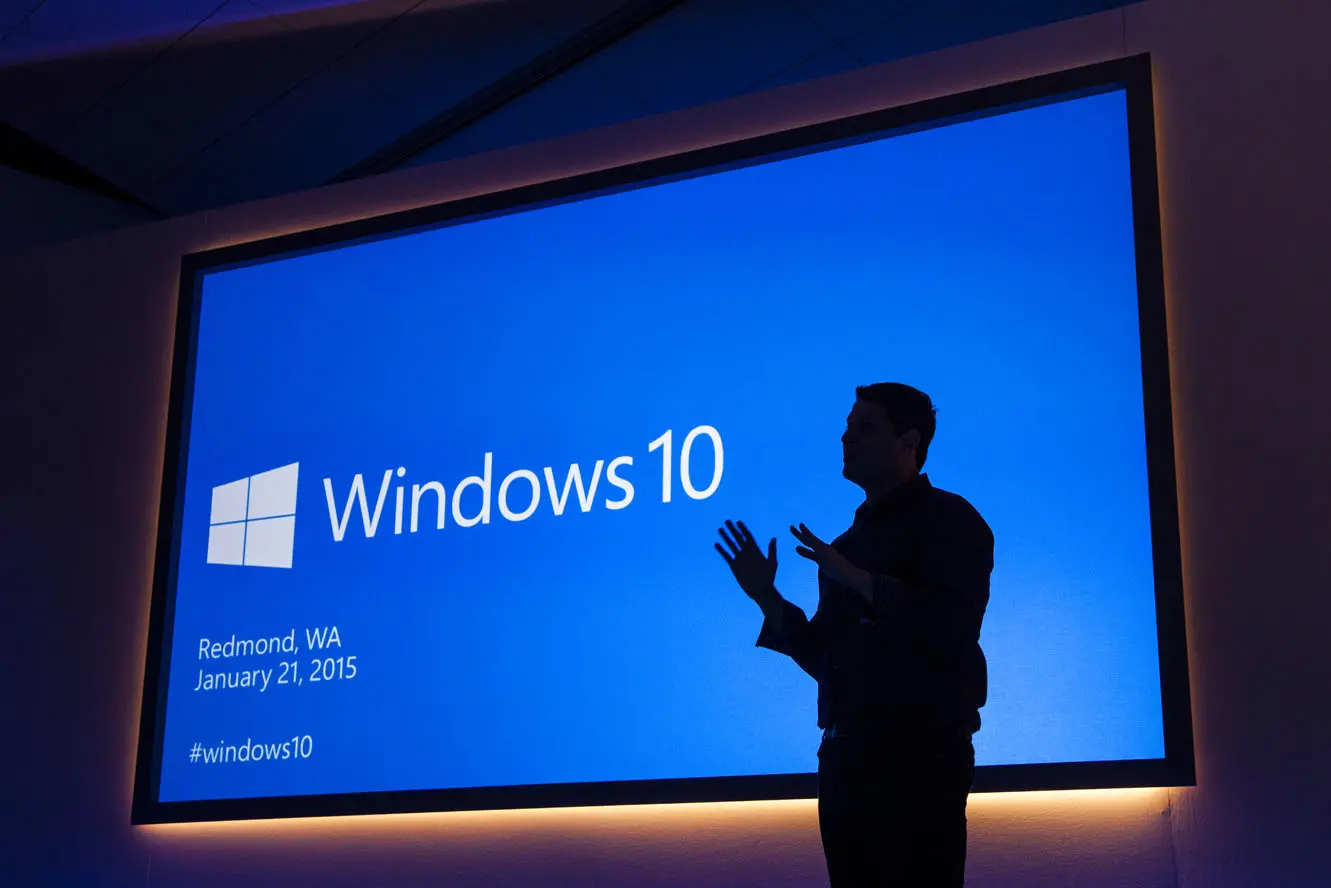
Microsoft has acknowledged that phasing out support for Windows 10 has served as a primary financial and structural driver for Windows 11 adoption. According to recent market analysis and company data reported by outlets such as TechPulse, the deliberate sunsetting of the older operating system successfully accelerated consumer and enterprise migration to newer hardware configurations.
The strategic retirement of Windows 10 has long been monitored by industry analysts tracking enterprise upgrade cycles and consumer PC replacements. With the official end-of-support deadline firmly established for October 2025, market researchers noted a sharp pivot in operating system market share metrics over the past several quarters, confirming that hardware replacement timelines directly correlate with Microsoft’s lifecycle policies.
Industry observers and tech journalists have closely scrutinized how software sunsetting impacts global device upgrade trends. As corporate IT departments and everyday users face looming security deadlines, the shift toward Windows 11 reflects a broader push within the tech sector toward modern security architectures, including mandatory Trusted Platform Module (TPM) 2.0 requirements.
The Financial Impact of Lifecycle Management
Corporate financial disclosures and independent tracking metrics from firms like Statcounter consistently highlight a steady erosion of Windows 10 market share, matched by a corresponding rise in Windows 11 adoption rates. By establishing a definitive expiration date for security updates, Microsoft effectively compressed the upgrade window for millions of enterprise clients.
Data from market tracking platforms indicate that hardware refresh cycles experienced a notable bump as organizations moved to procure compliant devices. This corporate urgency prevented potential stagnation in PC shipments, providing a predictable revenue stream for both original equipment manufacturers and component suppliers navigating a post-pandemic consumer electronics market.
Security Mandates and Hardware Requirements
A central factor driving the transition remains Microsoft’s insistence on stricter baseline security standards. Windows 11 requires modern processors alongside specific firmware capabilities, forcing organizations to audit their entire device fleets.
While these strict hardware stipulations initially drew criticism from consumer advocacy groups and environmental organizations concerned about electronic waste, corporate adoption figures suggest that enterprise security mandates ultimately outweighed upgrade friction. Businesses prioritizing zero-trust security frameworks treated the operating system transition as a necessary infrastructural overhaul rather than a simple software update.
What Happens Next
The next major milestone for system administrators and holdout consumers is the definitive October 14, 2025 end-of-support date for Windows 10, after which non-security updates and technical assistance will cease entirely for consumer editions. Organizations relying on legacy systems must choose between migrating to Windows 11, purchasing extended security updates, or transitioning to alternative operating systems. Official guidance, security bulletins, and enterprise migration resources remain available through the Microsoft Windows Lifecycle portal.
Related reading