
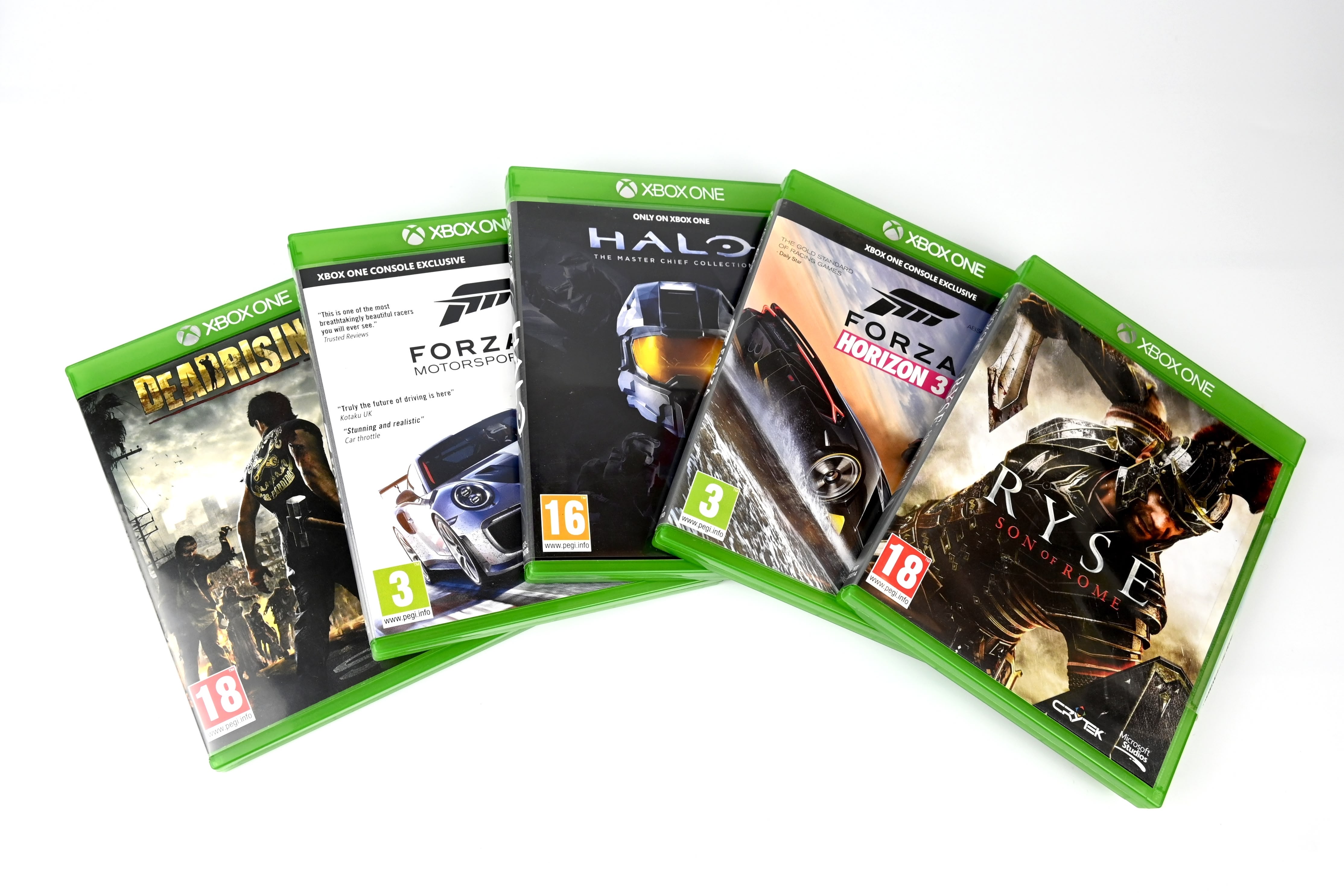
Microsoft is once again stirring controversy among gamers with a proposal that could force Xbox owners to convert their physical game discs into digital licenses—a move eerily reminiscent of the backlash that greeted Xbox One’s 2013 DRM policies. Thirteen years later, the tech giant is revisiting the idea of disc-to-digital conversion, but this time under a different guise: convenience and modernization. Yet for many players, the proposal triggers painful memories of Microsoft’s past missteps, where aggressive digital restrictions led to widespread outrage and even legislative scrutiny.
The potential shift would mark a significant departure from Xbox’s traditional approach, where physical copies of games have long been a staple for collectors, resellers and players who prefer tangible media. While Microsoft has not yet confirmed official plans, leaked discussions and industry whispers suggest the company is exploring ways to streamline its library—possibly by phasing out disc-based sales in favor of digital-only releases. The timing is particularly sensitive, as Xbox faces stiff competition from Sony’s PlayStation and Nintendo’s Switch, both of which continue to prioritize physical media for their core audiences.
This isn’t Microsoft’s first rodeo with DRM-related controversies. In 2013, the Xbox One’s announcement that players would need to be online to play used games—effectively killing the secondary market for physical copies—sparked global protests. Gamers, retailers, and even lawmakers criticized the move as anti-consumer, arguing it stifled fair use and ignored the realities of how people actually play games. The backlash was so severe that Microsoft eventually walked back some of the most restrictive policies, though not before damaging its reputation with hardcore gamers for years.
Today, the gaming landscape has evolved. Digital sales dominate, cloud gaming is on the rise, and players are more accustomed to subscription models like Xbox Game Pass. Yet nostalgia for physical media persists, especially among collectors and those who value ownership over streaming. The question now is whether Microsoft’s proposed changes would be framed as a necessary evolution—or another misstep that alienates its most loyal fans.
Why Is Microsoft Considering This Move?
Microsoft’s potential push toward disc-to-digital conversion isn’t entirely without precedent. The company has long championed digital-first strategies across its product lines, from Windows to Office. For Xbox, the incentives are clear:
- Cost efficiency: Digital distribution eliminates the need for physical manufacturing, reducing overhead and environmental impact.
- Anti-piracy measures: Digital licenses are harder to duplicate than physical discs, though this argument has been debated for years.
- Game Pass integration: A digital library aligns more seamlessly with Xbox’s subscription model, where games are accessed via cloud streaming or downloads.
- Modernization: As younger gamers grow up in a digital-native era, physical media feels increasingly outdated.
However, these benefits come with trade-offs. Physical games hold tangible value—both financially (for resale) and emotionally (for collectors). The secondary market for used games, while shrinking, remains a cultural touchstone for many players. Microsoft’s past attempts to restrict these practices were met with fierce resistance, including petitions, lawsuits, and even legislative action in some regions.
One key difference today is the rise of Xbox Game Pass, which offers digital access to hundreds of titles for a monthly fee. If Microsoft were to phase out physical copies, it could argue that Game Pass provides a superior alternative—one that eliminates the hassle of disc swapping and storage. Yet for purists, this shift feels like a loss of control over their own purchases.
The Xbox One DRM Debacle: A Lesson Unlearned?
The Xbox One’s 2013 DRM policies were a turning point for Microsoft. The company’s decision to require an internet connection for used game play—paired with the inability to skip ads or use custom controllers—sparked a global outcry. Gamers accused Microsoft of prioritizing corporate interests over consumer rights, and the backlash was immediate:
- Petitions on Change.org gathered millions of signatures.
- Retailers like GameStop threatened to boycott Xbox exclusives.
- Lawmakers in the U.S. And EU raised concerns about anti-competitive practices.
In response, Microsoft made concessions. It reversed the used-game restrictions, allowed offline play, and relaxed some of the most controversial policies. Yet the damage was done. The Xbox One’s launch was marred by delays, technical issues, and a perception of corporate overreach that took years to recover from.
Fast forward to 2026, and the gaming industry has changed—but so have its players. Millennials and Gen Z, who now dominate the market, are more accustomed to digital purchases and subscriptions. However, older generations and collectors still value physical media. A forced transition could alienate these groups, especially if Microsoft fails to provide clear alternatives or adequate transition periods.
There’s also the question of legal precedent. In 2015, the EU’s Digital Single Market Directive reinforced consumers’ right to resell digital content under certain conditions. While Microsoft’s proposal doesn’t explicitly target resale, it could still face scrutiny if it restricts the use of physical games without offering fair compensation or alternatives.
What Would This Mean for Gamers?
If Microsoft were to implement a disc-to-digital conversion policy, the impact would vary depending on how it’s structured. Here’s what players might expect:
For Current Owners of Physical Copies
Microsoft has not confirmed whether it would require players to manually convert their physical libraries to digital licenses. In the past, the company has offered tools like Xbox Disc-to-Digital (a program that allowed players to redeem physical copies for digital versions), but this was voluntary. A mandatory shift could force gamers to:
- Upload their game discs to Microsoft’s servers, raising privacy concerns.
- Purchase digital copies at full price if their physical copies become unusable.
- Lose access to games if their consoles are no longer supported.
For Collectors and Resellers
Physical game collectors and the used-game market would be hit hardest. Games like rare editions of *Halo*, *Gears of War*, or limited-run titles could see their value plummet if they’re no longer playable without digital authorization. Resellers like GameStop and eBay rely on the secondary market, and a sudden shift could disrupt their businesses overnight.
some games—particularly older titles—may no longer be available for purchase at all if Microsoft chooses to discontinue physical sales entirely. This could leave players with no way to obtain certain games unless they’re part of a subscription service.
For New Players and Game Pass Subscribers
Younger gamers and those already using Xbox Game Pass might see this as a natural progression. The subscription model eliminates the need for physical media, and digital-only releases could simplify game management. However, even these players might resist if the transition feels forced or if Microsoft fails to ensure backward compatibility for existing libraries.
Industry Reactions: Who’s Watching?
Microsoft’s potential move has already caught the attention of industry watchers, retailers, and advocacy groups. While no official statements have been made, leaks and discussions suggest:
- Retailers like GameStop and Amazon may push back if physical sales are threatened, as they rely on used-game revenue.
- Consumer advocacy groups could renew calls for fair use protections, especially if Microsoft’s policies restrict access to purchased content.
- Competitors like Sony and Nintendo may use this as an opportunity to highlight their own commitment to physical media, particularly for their core audiences.
- Regulators in the EU and U.S. could monitor the situation closely, given past concerns over DRM and consumer rights.
One wildcard is the rise of cloud gaming. Services like Xbox Cloud Gaming already allow players to stream games without physical discs, and a digital-first approach could accelerate this trend. However, cloud gaming isn’t accessible everywhere due to bandwidth and latency issues, which could leave some players stranded.
What Happens Next?
As of now, Microsoft has not announced any concrete plans to enforce a disc-to-digital conversion policy. The company has not responded to requests for comment on this topic. However, given the historical context and current industry trends, several scenarios are possible:
- No major changes: Microsoft may decide to continue supporting physical media while gradually shifting focus to digital and cloud-based solutions.
- Voluntary conversion incentives: The company could offer discounts or perks to encourage players to move their libraries to digital, similar to past programs like Disc-to-Digital.
- Mandatory phase-out: If implemented, this would likely be rolled out over several years, with clear communication about the transition process and potential compensation for affected players.
- Legal and regulatory challenges: If Microsoft’s policies restrict fair use or access to purchased content, advocacy groups or lawmakers could intervene, as they did during the Xbox One era.
The next major checkpoint will likely be Microsoft’s next quarterly earnings report or a potential announcement at an upcoming event like The Game Awards or E3. Gamers and industry observers will be watching closely to see whether Microsoft repeats the mistakes of the past—or learns from them.
Key Takeaways
- Microsoft’s potential disc-to-digital shift echoes its 2013 Xbox One DRM controversies, risking another backlash from gamers and retailers.
- Physical game collectors and resellers could face significant disruptions if Microsoft restricts access to tangible media.
- Digital-first strategies align with trends like Xbox Game Pass and cloud gaming, but may alienate players who value ownership.
- Legal and regulatory scrutiny is possible, particularly in regions with strong consumer protection laws like the EU.
- The outcome will depend on how Microsoft frames the transition—whether as a voluntary upgrade or a mandatory shift.
For now, Xbox players are left with one question: Is this the future of gaming, or another misstep in Microsoft’s long history of DRM experiments? The answer may hinge on whether the company listens to its community this time—or repeats the mistakes of the past.
What do you think? Should Microsoft prioritize digital convenience over physical ownership? Share your thoughts in the comments below, and don’t forget to follow World Today Journal for the latest updates on this developing story.