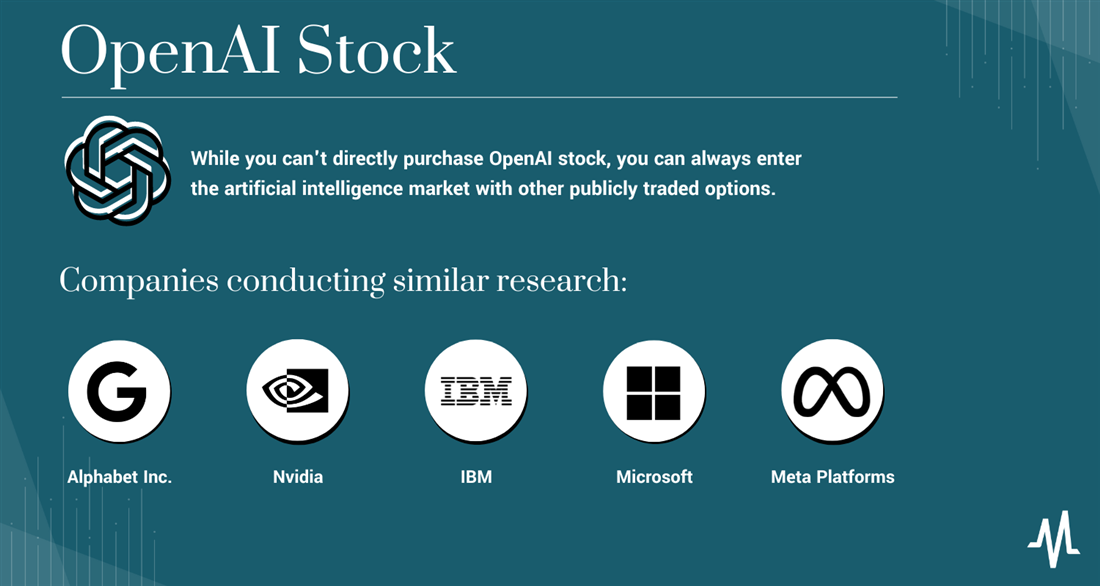
Analysts Maintain Bullish Outlook on Microsoft Stock Ahead of Earnings Despite OpenAI Partnership Shift
LONDON — As Microsoft prepares to release its quarterly earnings report later this week, analysts on Wall Street are largely standing by their bullish recommendations for the tech giant, even as its long-standing exclusive partnership with OpenAI undergoes a historic transformation. The revised agreement, announced on April 27, 2026, ends Microsoft’s exclusive rights to OpenAI’s cutting-edge AI models, allowing the AI research lab to distribute its technology through competing cloud platforms like Amazon Web Services and Google Cloud.
Despite initial market jitters—Microsoft’s stock dipped slightly following the announcement—firms such as Benchmark and Bernstein have reaffirmed their “buy” ratings, citing Microsoft’s strategic flexibility and continued leadership in the artificial intelligence (AI) sector. The shift, whereas significant, does not appear to have shaken investor confidence in Microsoft’s long-term growth trajectory, particularly as the company remains a dominant force in cloud computing and enterprise AI solutions.
“This is not the end of the Microsoft-OpenAI relationship, but rather a recalibration that reflects the evolving AI landscape,” said a Benchmark analyst in a recent note to clients. “Microsoft’s moat in AI remains intact, and its ability to adapt to this new dynamic will be key to maintaining its competitive edge.”
The End of an Exclusive Era
Since 2019, Microsoft has been OpenAI’s primary cloud provider and exclusive licensee of its large language models (LLMs), including the technology behind ChatGPT. Over the years, Microsoft has invested more than $13 billion in OpenAI, securing a 27% stake in the company as of late 2025. The partnership has been a cornerstone of Microsoft’s AI strategy, enabling the integration of OpenAI’s models into products like Azure, Microsoft 365, and GitHub Copilot.
However, the amended agreement marks a significant departure from the original terms. Under the new deal, OpenAI is no longer obligated to offer its products exclusively through Microsoft’s Azure cloud platform. Instead, it can now distribute its AI models and services across multiple cloud providers, including rivals like Amazon and Google. Microsoft will retain a non-exclusive license to OpenAI’s intellectual property and models through 2032, but the loss of exclusivity has raised questions about the competitive landscape.

In a joint statement, Microsoft and OpenAI emphasized that their partnership remains strong, with Azure continuing as OpenAI’s “primary cloud partner.” The companies too noted that Microsoft will maintain its right of first refusal for new OpenAI products, ensuring that Azure remains the first platform to host them. However, the revenue-sharing arrangement between the two firms has been adjusted: Microsoft will no longer pay OpenAI a share of its AI-related revenue, though OpenAI will continue to make payments to Microsoft through 2030, albeit with an unspecified cap.
Why Analysts Remain Optimistic
Despite the changes, analysts argue that Microsoft’s position in the AI market remains robust. Benchmark, for instance, reaffirmed its “buy” rating on Microsoft stock on April 28, 2026, citing the company’s ability to leverage its broader ecosystem and infrastructure advantages. Similarly, Bernstein maintained its “outperform” rating, highlighting Microsoft’s flexibility in adapting to the new partnership terms.
“Microsoft’s relationship with OpenAI was never just about exclusivity—it was about integration,” said a Bernstein analyst. “The fact that OpenAI can now operate with other cloud providers doesn’t diminish Microsoft’s role as a leader in AI infrastructure. If anything, it could drive more innovation and competition, which benefits Microsoft in the long run.”
One of the key factors underpinning analyst confidence is Microsoft’s dominance in the cloud computing market. Azure holds the second-largest share of the global cloud infrastructure market, trailing only Amazon Web Services (AWS). According to Synergy Research Group, Azure’s market share stood at 24% in the first quarter of 2026, compared to AWS’s 31%. Google Cloud, the third major player, held 11%. Microsoft’s ability to integrate AI solutions into its cloud platform gives it a significant advantage, even as OpenAI expands its partnerships.
Microsoft’s broader AI strategy extends beyond OpenAI. The company has developed its own AI models, such as the Phi series of small language models, and has invested heavily in AI-driven enterprise solutions. Products like Microsoft 365 Copilot, which integrates AI into productivity tools like Word, Excel, and Teams, have gained traction among businesses, further solidifying Microsoft’s position in the AI ecosystem.
Market Reaction and Investor Sentiment
Microsoft’s stock experienced a modest decline following the announcement of the revised OpenAI agreement, reflecting initial investor concerns about the loss of exclusivity. However, the dip was short-lived, and the stock has since stabilized. As of April 28, 2026, Microsoft’s shares were trading at $425.21, down slightly from their 52-week high of $555.45 but well above their 52-week low of $356.28.
While some analysts, such as Oppenheimer, have lowered their price targets for Microsoft due to concerns about the AI competitive landscape, the majority of firms remain optimistic. The consensus among analysts is that Microsoft’s diversified business model—spanning cloud computing, enterprise software, gaming, and AI—provides a buffer against potential risks associated with the OpenAI partnership shift.
“Microsoft is not a one-trick pony,” said a senior tech analyst at Wedbush Securities. “Even if OpenAI’s models become available on other platforms, Microsoft’s ability to bundle AI with its cloud and enterprise offerings gives it a unique competitive advantage.”
What’s Next for Microsoft and OpenAI?
The revised partnership agreement raises several questions about the future of the AI industry. For Microsoft, the challenge will be to maintain its leadership in AI while navigating a more competitive landscape. The company’s ability to innovate and integrate AI into its existing products will be critical to its success.
For OpenAI, the new agreement represents an opportunity to expand its reach and reduce its reliance on a single cloud provider. The company has already struck a $50 billion deal with Amazon earlier this year, which includes plans to run certain OpenAI models on AWS. This diversification could help OpenAI accelerate its growth and attract a broader range of customers.
However, the shift also introduces new complexities. OpenAI will now need to manage relationships with multiple cloud providers, each with its own infrastructure and pricing models. The company will face increased competition from other AI research labs and startups, many of which are developing their own large language models.
For investors, the key takeaway is that Microsoft’s AI strategy is evolving, but its fundamentals remain strong. The company’s earnings report, set to be released on April 30, 2026, will provide further insight into how the OpenAI partnership shift is impacting its financial performance. Analysts will be closely watching for updates on Azure’s growth, AI-related revenue, and the adoption of Microsoft’s AI-powered enterprise solutions.
Key Takeaways for Investors
- Analyst Confidence Remains High: Despite the end of Microsoft’s exclusive partnership with OpenAI, firms like Benchmark and Bernstein have reaffirmed their bullish ratings on Microsoft stock, citing the company’s strategic flexibility and market leadership.
- Microsoft’s AI Moat Intact: While OpenAI can now distribute its models through competing cloud providers, Microsoft’s integration of AI into its broader ecosystem—including Azure, Microsoft 365, and GitHub—provides a significant competitive advantage.
- Cloud Dominance Matters: Microsoft’s position as the second-largest cloud provider, with a 24% market share, ensures that it remains a critical player in the AI infrastructure space, even as OpenAI expands its partnerships.
- Earnings Report in Focus: Microsoft’s upcoming earnings report will be closely watched for signs of how the OpenAI partnership shift is impacting its financial performance, particularly in AI-related revenue and cloud growth.
- Long-Term Growth Potential: Analysts believe that Microsoft’s diversified business model and continued investment in AI innovation position it well for long-term growth, despite short-term market fluctuations.
What Happens Next?
Microsoft’s quarterly earnings report, scheduled for release on April 30, 2026, will be the next major milestone for investors. The report is expected to provide detailed insights into the company’s AI strategy, Azure’s performance, and the financial impact of the revised OpenAI partnership. Analysts will also be looking for updates on the adoption of Microsoft’s AI-powered enterprise solutions, such as Microsoft 365 Copilot and GitHub Copilot.
In the meantime, investors should keep an eye on developments in the broader AI industry, including OpenAI’s partnerships with other cloud providers and the competitive landscape for large language models. While the end of Microsoft’s exclusivity with OpenAI marks a significant shift, it also opens up new opportunities for both companies to innovate and grow.
As the AI market continues to evolve, Microsoft’s ability to adapt and leverage its strengths will be key to maintaining its leadership position. For now, analysts remain confident that the tech giant is well-positioned to navigate this new chapter in its AI journey.
What do you think about Microsoft’s revised partnership with OpenAI? Will this shift benefit or hinder the company’s AI ambitions? Share your thoughts in the comments below and join the conversation.
Related reading