
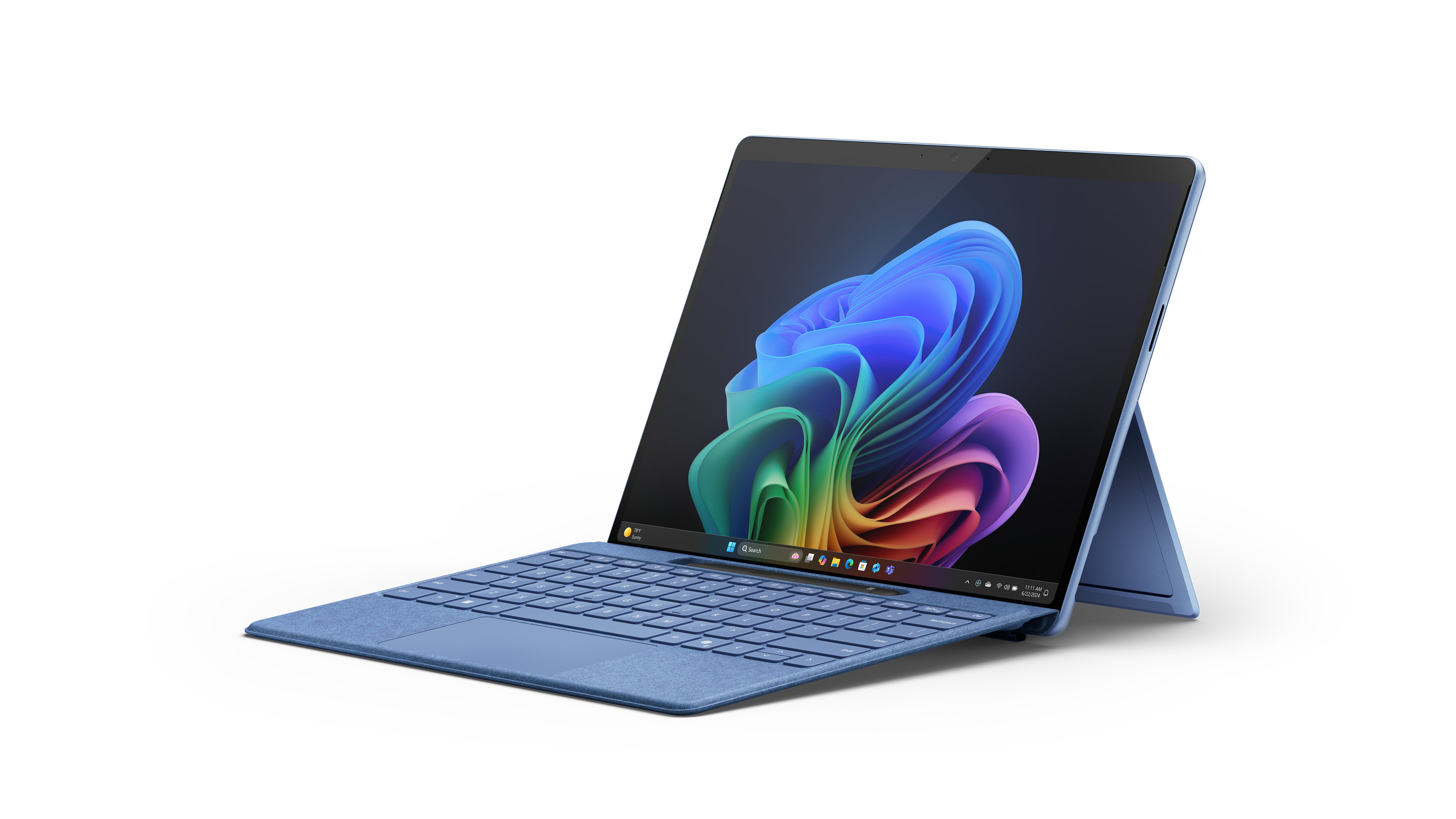
Microsoft is doubling down on its artificial intelligence ambitions with the unveiling of two new enterprise-focused devices—the Surface Laptop 8 and Surface Pro 12—designed to embed AI capabilities directly into the hardware. While the tech giant has long positioned itself as a leader in cloud-based AI through tools like Azure and Copilot, this latest move signals a strategic shift: bringing AI processing power onto devices themselves, a development that could reshape how businesses deploy and interact with intelligent systems.
The new Surface models are not just incremental upgrades; they represent a fundamental rethinking of how AI integrates with personal computing. At the heart of this transformation is the Maia 200 chip, a custom silicon solution developed by Microsoft in collaboration with Qualcomm. This chip is specifically engineered to accelerate AI workloads, enabling features like real-time language processing, advanced image recognition, and on-device machine learning—all without requiring a constant internet connection or reliance on cloud servers. For enterprises, this means faster response times, enhanced data privacy, and reduced latency, particularly in scenarios where connectivity is unreliable or sensitive data must remain on-premises.
Yet, the announcement also raises questions about Microsoft’s broader AI strategy. While the company has historically emphasized cloud-based AI solutions, the introduction of these AI-optimized devices suggests a deliberate push toward “edge AI”—a model where processing happens closer to the source of data. This approach aligns with growing industry trends, as businesses increasingly prioritize security, compliance, and operational efficiency. However, it also introduces new challenges, including the need for robust cybersecurity measures to protect on-device AI models and the potential for fragmentation in AI ecosystems as different hardware vendors adopt varying standards.
Why This Matters for Businesses
For corporate decision-makers, the Surface Laptop 8 and Surface Pro 12 offer a compelling blend of performance and AI integration. The devices are tailored for professional use, with features such as enhanced security protocols, enterprise-grade management tools, and seamless integration with Microsoft 365 and Azure services. This makes them particularly attractive for industries like finance, healthcare, and manufacturing, where AI-driven insights are critical for decision-making.
One of the most significant advantages of these new Surface models is their ability to run AI tasks locally. In sectors where data sensitivity is paramount—such as legal or healthcare—this capability reduces the risk of exposing proprietary or patient information to third-party cloud services. The Maia 200 chip’s efficiency could translate to cost savings for businesses, as they may no longer need to invest in high-end cloud infrastructure for every AI application.
However, the transition to edge AI is not without its hurdles. Businesses will need to retrain employees on new tools, ensure compatibility with existing software, and address potential concerns about data sovereignty. Microsoft’s move also puts pressure on competitors like Dell, HP, and Lenovo to respond with their own AI-optimized hardware, potentially accelerating innovation in the space.
The Maia 200 Chip: A Game-Changer for On-Device AI
The Maia 200 chip is the cornerstone of Microsoft’s new AI strategy. Unlike traditional processors that rely on cloud-based AI models, this chip is designed to handle complex AI tasks directly on the device. This includes everything from natural language processing to computer vision, all while maintaining low power consumption—a critical factor for portable devices.
According to Microsoft’s official documentation, the Maia 200 is built on a custom architecture that combines Qualcomm’s expertise in mobile processing with Microsoft’s AI research. Early benchmarks suggest the chip can deliver up to three times faster AI inference speeds compared to previous generations of Surface devices. This performance leap is particularly notable for applications like real-time translation, document analysis, and predictive maintenance in industrial settings.
Yet, the chip’s true potential lies in its ability to enable “always-on” AI features. For example, a Surface Pro 12 running the Maia 200 could theoretically analyze and summarize meeting notes in real time, or a Surface Laptop 8 could use on-device AI to enhance creative workflows without sending data to the cloud. These capabilities could be a game-changer for remote and hybrid workforces, where latency and connectivity issues have historically been barriers to seamless AI integration.
Enterprise Adoption: Early Signs and Industry Reactions
While Microsoft has not yet disclosed pricing or widespread availability dates for the Surface Laptop 8 and Surface Pro 12, early reactions from industry analysts suggest strong interest. In a statement to The Verge, tech analyst Ben Thompson described the new devices as “a bold bet on the future of AI-driven productivity.” He noted that Microsoft’s decision to focus on enterprise-grade hardware first could help mitigate risks associated with consumer adoption, such as fragmentation in AI tool compatibility.
Enterprise IT leaders are also watching closely. “The shift to edge AI is inevitable, but Microsoft’s approach—bundling AI chips with enterprise-ready devices—could set a new standard for how businesses deploy AI,” said Sarah Johnson, a senior analyst at Gartner. “The key will be ensuring these devices integrate smoothly with existing enterprise ecosystems, particularly for companies that rely on legacy systems.”
Microsoft has not yet confirmed whether the Maia 200 chip will be made available to third-party manufacturers, though industry insiders speculate that such a move could further accelerate AI adoption across the laptop market. If Microsoft opens the chip’s architecture to partners, it could lead to a wave of AI-optimized devices from competitors, potentially driving down costs and increasing accessibility for smaller businesses.
Security and Privacy: The Double-Edged Sword of On-Device AI
One of the most compelling arguments for on-device AI is the enhanced privacy it offers. By processing data locally, businesses can avoid the risks associated with cloud-based AI, such as data breaches or unintended exposure of sensitive information. However, this also introduces new security considerations. For instance, if an AI model is compromised on a device, the impact could be localized but still severe—particularly in industries like finance or healthcare.
Microsoft has addressed these concerns by incorporating advanced security features into the Maia 200 chip, including hardware-based encryption and secure enclaves for AI workloads. The company has also emphasized compliance with global data protection regulations, such as GDPR and HIPAA, though specific details about how these measures will be implemented remain under wraps.
For businesses, the decision to adopt on-device AI will depend on their risk tolerance and regulatory requirements. While the Surface Laptop 8 and Surface Pro 12 offer robust security features, organizations will need to conduct thorough assessments to ensure these devices meet their compliance needs. Microsoft has pledged to provide enterprise customers with detailed security documentation and compliance certifications ahead of the devices’ official launch.
What’s Next for Microsoft’s AI Strategy
Microsoft’s push into AI-optimized hardware is part of a broader strategy to dominate the AI ecosystem. Beyond the Surface devices, the company is also investing heavily in AI-powered cloud services, such as Azure AI and Copilot, which are designed to work in tandem with on-device AI. This dual approach—combining edge and cloud AI—could give Microsoft a significant edge in the enterprise market, where businesses increasingly demand flexibility and scalability.

The next major milestone for Microsoft will be the rollout of these devices to businesses, expected later this year. The company has not yet announced a specific launch date, but industry sources suggest that the Surface Laptop 8 and Surface Pro 12 could begin shipping to enterprise customers in the fourth quarter of 2026. Until then, Microsoft is likely to focus on refining the software ecosystem, including updates to Windows 11 and Microsoft 365, to ensure seamless integration with the new hardware.
For now, businesses evaluating AI-driven workflows should keep a close eye on Microsoft’s developments. The Surface Laptop 8 and Surface Pro 12 represent more than just new hardware—they signal a fundamental shift in how AI will be deployed in the workplace. As Microsoft continues to refine its edge AI capabilities, the potential for innovation in productivity, security, and data privacy is enormous.
Key Takeaways
- AI on the Device: The Surface Laptop 8 and Surface Pro 12 use the Maia 200 chip to run AI tasks locally, reducing latency and enhancing privacy.
- Enterprise Focus: These devices are designed specifically for business use, with features like advanced security and integration with Microsoft 365.
- Performance Leap: Early benchmarks suggest the Maia 200 chip delivers up to three times faster AI inference speeds than previous Surface models.
- Industry Impact: Microsoft’s move could accelerate the adoption of edge AI across the laptop market, potentially driving innovation from competitors.
- Security Considerations: While on-device AI improves privacy, businesses must assess new security risks and compliance requirements.
- Future Outlook: Microsoft’s strategy combines edge and cloud AI, positioning the company to dominate both hardware and software in the AI era.
The next official update from Microsoft on the Surface Laptop 8 and Surface Pro 12 is expected in the coming months, with potential announcements around pricing, availability, and additional enterprise features. In the meantime, businesses interested in exploring AI-driven workflows can visit Microsoft’s AI solutions page for more information on how these devices integrate with existing Microsoft tools.
What do you think about Microsoft’s shift to AI-optimized hardware? Will your business be adopting these new Surface models, or are you waiting to see how the market evolves? Share your thoughts in the comments below or join the conversation on social media using #SurfaceAI.
Worth a look