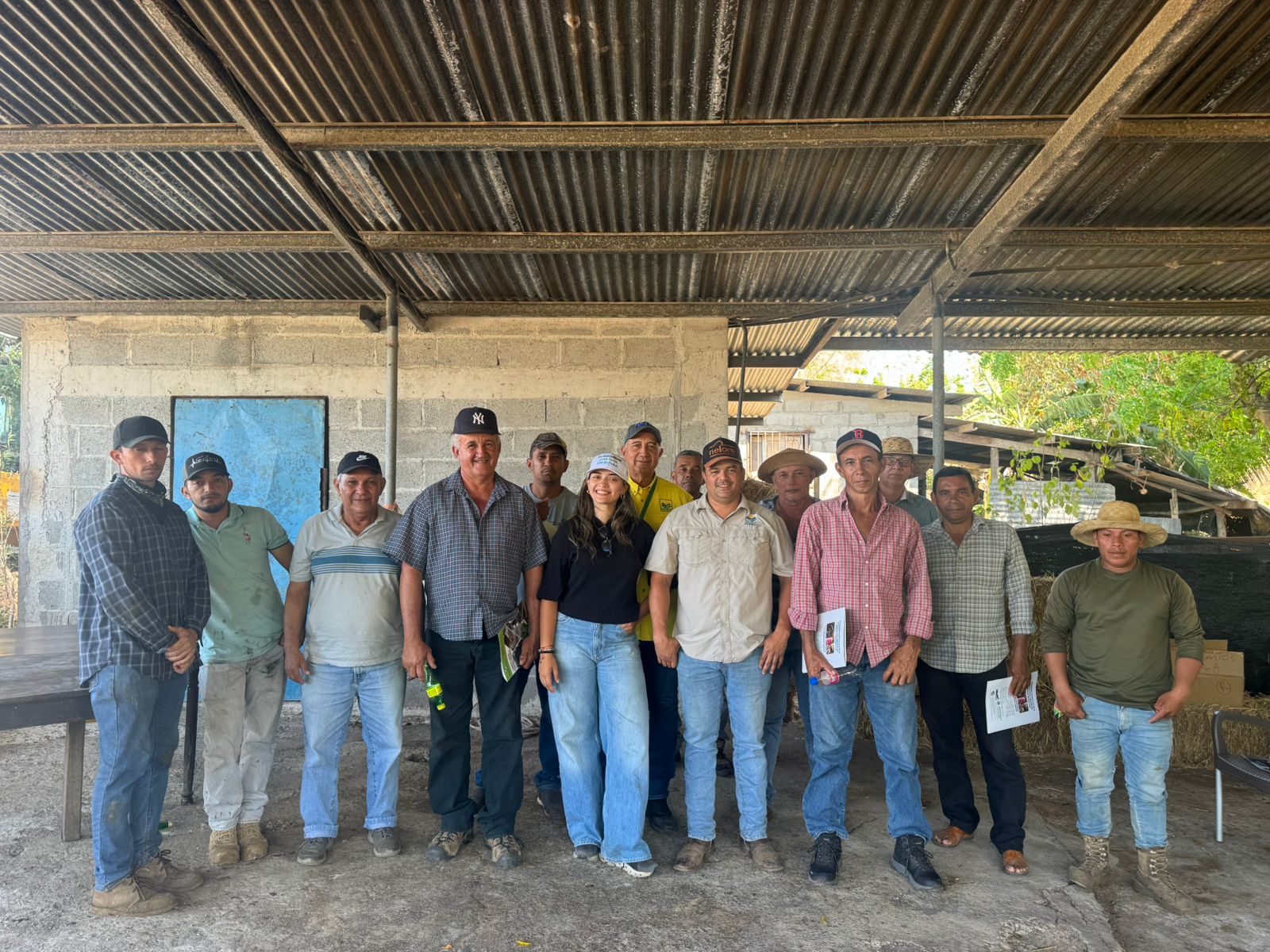
Panamanian Farmers Receive Vital Training in Animal Health and Disease Prevention
The health of Panama’s livestock sector received a boost this month as producers in the Las Cruces community, Los Santos province, participated in a comprehensive training program focused on animal health. Organized by Panama’s Ministry of Agricultural Development (MIDA), through its Regional Coordination of the National Directorate of Animal Health and the Office of Teaching of Internal Veterinary Doctors, the initiative aimed to equip farmers with the knowledge and skills needed to safeguard their animals and livelihoods. This training comes at a crucial time, as Panama continues to address challenges related to livestock diseases and the importance of preventative measures.
The workshop addressed a range of critical health concerns impacting the Panamanian agricultural landscape, including the cattle grub (Hypoderma bovis), rabies, brucellosis, tuberculosis, and bovine spongiform encephalopathy (BSE), commonly known as mad cow disease. These diseases pose significant economic risks to the country’s agricultural sector, and effective prevention and control strategies are essential for maintaining both animal welfare and public health. The training underscores MIDA’s commitment to supporting the nation’s farmers and strengthening the resilience of the agricultural industry.
The sessions were led by Dr. Erasto Castillero, who focused on BSE and rabies, and Dr. Almendra Crovari, an internal veterinary doctor, who presented on brucellosis and tuberculosis. Dr. Manuel González Cano, coordinator of the Office of Teaching of Internal Veterinary Doctors at MIDA, delivered a presentation on the cattle grub, highlighting its impact on livestock production and outlining preventative measures. The collaborative effort between experienced veterinarians and those undergoing internship training demonstrates MIDA’s investment in developing a skilled workforce dedicated to animal health.
Addressing Key Livestock Diseases in Panama
The cattle grub, a parasitic fly larva, is a significant concern for Panamanian cattle ranchers. Infestations can lead to reduced weight gain, decreased milk production, and even death in severe cases. Effective control measures, as discussed in the training, include strategic deworming programs and proper pasture management. The MSD Veterinary Manual provides detailed information on the lifecycle and control of the cattle grub.
Rabies, a viral disease affecting the central nervous system, remains a public health threat in Panama, often transmitted through the bite of infected animals, including bats. MIDA has been actively working to control rabies through vaccination campaigns and surveillance programs, particularly focusing on bat populations. Just this month, MIDA captured 51 vampire bats in Los Santos province as part of ongoing efforts to prevent the spread of wildlife rabies. Metrolibre reported on this initiative on March 12, 2026. Vaccination of livestock is a crucial component of rabies prevention, and producers were encouraged to adhere to recommended vaccination schedules.
Brucellosis and tuberculosis are bacterial infections that can cause significant economic losses in livestock operations. Brucellosis can lead to abortions in cattle, while tuberculosis causes chronic weight loss and reduced productivity. Both diseases are zoonotic, meaning they can be transmitted from animals to humans, posing a public health risk. Early detection and control measures, such as testing and culling of infected animals, are essential for preventing the spread of these diseases.
Bovine Spongiform Encephalopathy (BSE), or mad cow disease, is a progressive neurodegenerative disorder of cattle. While Panama has not experienced widespread outbreaks of BSE, vigilance and adherence to international standards for animal feed and import regulations are crucial for preventing its introduction. The training emphasized the importance of sourcing feed from reputable suppliers and avoiding the use of meat and bone meal in animal feed.
MIDA’s Ongoing Commitment to Animal Health
This training initiative is part of a broader effort by MIDA to strengthen animal health and support the country’s agricultural producers. The Directorate of National Animal Health conducts year-round surveillance and control programs across Panama, working in collaboration with farmers and veterinarians to address emerging health threats. MIDA encourages producers to report any animals exhibiting neurological symptoms, appearing weak or sick, or found dead by contacting 6550-8486 via phone or WhatsApp, using the Alerta Animal platform, or visiting local MIDA offices. This reporting mechanism was highlighted in a recent MIDA announcement.
The success of these programs relies heavily on the active participation of farmers and their willingness to adopt best practices in animal health management. MIDA’s ongoing educational initiatives, like the one recently held in Las Cruces, are vital for empowering producers with the knowledge and tools they need to protect their livestock and contribute to a sustainable agricultural sector. The Ministry’s dedication to proactive health measures is a cornerstone of Panama’s agricultural security.
Key Takeaways
- Proactive Prevention is Key: Regular vaccination, parasite control, and biosecurity measures are essential for preventing livestock diseases.
- Early Detection is Crucial: Promptly reporting sick or deceased animals to MIDA is vital for containing outbreaks.
- Collaboration is Essential: Effective animal health management requires collaboration between farmers, veterinarians, and government agencies.
- Education Empowers: Training programs like the one in Las Cruces equip farmers with the knowledge to protect their livelihoods.
Looking ahead, MIDA plans to continue expanding these training programs to reach more producers across Panama. The Ministry will likewise focus on strengthening its surveillance systems and improving its capacity to respond to emerging animal health threats. The next scheduled update on MIDA’s animal health initiatives is expected in late April 2026, with a report on the effectiveness of the recent rabies vaccination campaign.
What are your thoughts on the importance of animal health training for farmers? Share your comments below, and don’t forget to share this article with your network!
Worth a look