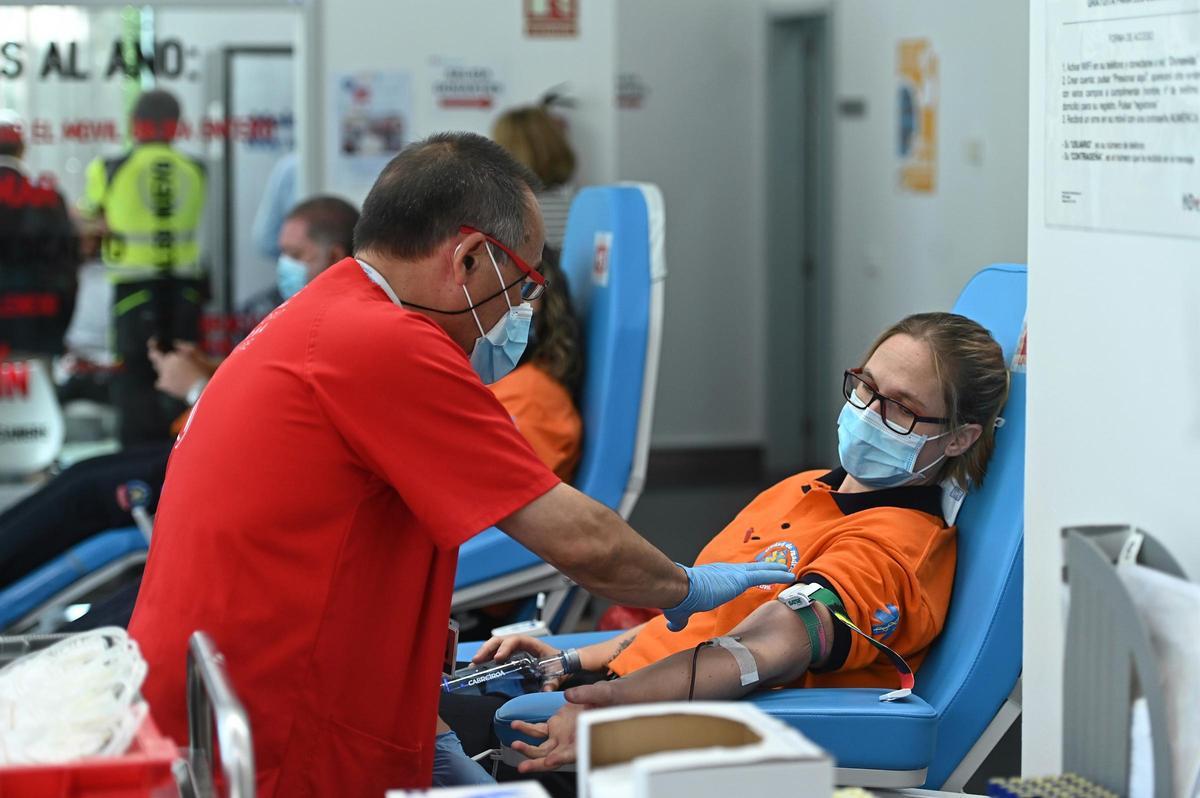
Could Blood Donation Turn into a Public Health Early Warning System?
Donating blood is widely recognized as a profoundly generous act, saving countless lives each year. In Catalonia, Spain, thousands participate altruistically in this life-giving practice. But what if this act of solidarity could be leveraged to enhance public health initiatives, moving beyond simply providing vital transfusions to proactively identifying potential health concerns? The idea, gaining traction in some circles, proposes expanding the scope of blood donation screenings to include additional, simple tests that could benefit both the donor and the wider healthcare system.
Currently, basic health checks are standard procedure when someone donates blood, primarily to ensure the safety of the blood supply for recipients. These tests screen for infectious diseases like HIV, hepatitis B and C, and syphilis. However, proponents suggest that a slightly more comprehensive analysis during the donation process could offer a valuable opportunity for early detection of other health issues, potentially prompting individuals to seek medical advice and intervention. This concept isn’t entirely new; similar discussions have taken place in other countries regarding the potential of blood donation data for population health monitoring.
The potential benefits are twofold. For the donor, it could provide an early warning sign for conditions they might not otherwise be aware of. For the public health system, it could transform blood donation campaigns into a complementary tool for preventative care and early disease detection. The Federació Catalana de Donants de Sang (Catalan Federation of Blood Donors) actively promotes blood donation, highlighting the life-saving impact of each donation. According to their website, “Salvaràs 3 vides en una sola donació!” (You will save 3 lives in a single donation).
Current Blood Donation Infrastructure in Catalonia
Catalonia has a well-established network of hospitals and donation centers facilitating blood donation. The Banc de Sang i Teixits (Blood and Tissue Bank) is a key public entity within the Catalan healthcare system, responsible for managing blood and tissue supplies. Their website provides a comprehensive list of donation locations throughout the region, including hospitals in Badalona, Barcelona, Girona, Hospitalet de Llobregat, Lleida, Manresa, Reus, Tarragona, Tortosa, and Terrassa. Donors can give both blood and plasma at many of these locations.
Specifically, blood donations are accepted at Hospital Clínic in Barcelona, Hospital de la Santa Creu i Sant Pau in Barcelona, Hospital Universitari Vall d’Hebron in Barcelona, and Hospital Universitari de Bellvitge in Hospitalet de Llobregat, among others. Plasma donations are too accepted at these facilities. The Hospital Universitari Arnau de Vilanova in Lleida and Fundació Althaia – Hospital Sant Joan de Déu in Manresa also offer both blood and plasma donation options. The Banc de Sang i Teixits allows appointments to be scheduled through their official page, ensuring efficient and organized donation processes.
Expanding Screening: What Could Be Added?
While the specifics of expanded screening would require careful consideration and investment, several relatively simple tests could be incorporated. These might include checks for elevated cholesterol levels, indicators of kidney function, or even preliminary markers for certain types of cancer. The feasibility of adding such tests would depend on factors like cost, logistical challenges, and the availability of qualified personnel to analyze the results. It’s important to note that blood donation screening is not intended to replace regular check-ups with a primary care physician, but rather to act as an additional layer of preventative care.
The potential for early detection is particularly significant. Many diseases are most effectively treated when diagnosed in their early stages. By identifying potential health issues through blood donation screenings, individuals could be encouraged to seek further evaluation and treatment, potentially improving outcomes and reducing the burden on the healthcare system. However, it’s crucial to address potential concerns about false positives and the anxiety that could result from receiving unexpected or inconclusive test results. Clear communication and appropriate follow-up care would be essential.
Ethical and Logistical Considerations
Implementing expanded screening protocols raises several ethical and logistical considerations. One key concern is donor privacy. Any additional data collected would need to be handled with the utmost confidentiality and in compliance with relevant data protection regulations. Donors would need to be fully informed about what tests are being performed, how their data will be used, and their right to opt-out of additional screening.
Logistically, expanding the scope of testing would require investment in additional equipment, personnel, and laboratory capacity. The cost of these enhancements would need to be carefully weighed against the potential benefits. It would be essential to ensure that the expanded screening process does not unduly burden donors or discourage them from participating in blood donation. Maintaining a positive donor experience is paramount to ensuring a stable and sufficient blood supply.
The Role of the Federació Catalana de Donants de Sang
The Federació Catalana de Donants de Sang plays a vital role in promoting blood donation and supporting the blood banking system in Catalonia. Their website highlights the importance of altruistic donation and features testimonials from donors, emphasizing the life-saving impact of their contributions. The Federation also actively engages in public awareness campaigns and collaborates with healthcare institutions to optimize blood donation processes. Their involvement would be crucial in any effort to expand screening protocols, ensuring that the needs and concerns of donors are adequately addressed.
The Federation’s recent activities, as reported on March 6, 2026, include participation in the Mobile World Congress, demonstrating their commitment to leveraging technology and innovation to enhance blood donation efforts. They are also actively involved in training programs for delegates, focusing on initiatives like the “Joc dels Superherois de la Sang” (Game of the Blood Superheroes), aimed at engaging and motivating donors. These initiatives underscore the Federation’s dedication to fostering a culture of blood donation and promoting public health.
International Precedents and Future Outlook
The concept of leveraging blood donation for broader health screening is not unique to Catalonia. Several countries have explored similar initiatives, with varying degrees of success. For example, some regions in Europe have implemented pilot programs to screen donated blood for additional biomarkers, while others have focused on using blood donation data for epidemiological surveillance. The lessons learned from these international experiences could inform the development of a tailored approach for Catalonia.
Looking ahead, the integration of advanced technologies, such as artificial intelligence and machine learning, could further enhance the potential of blood donation for public health monitoring. These technologies could be used to analyze large datasets of blood donation data, identifying patterns and trends that might indicate emerging health threats or areas of unmet need. However, it’s crucial to address ethical considerations related to data privacy and algorithmic bias to ensure that these technologies are used responsibly and equitably.
Key Takeaways
- Expanding blood donation screening could offer a valuable opportunity for early detection of health issues.
- Implementing such a program requires careful consideration of ethical and logistical challenges.
- The Federació Catalana de Donants de Sang would play a crucial role in any expansion of screening protocols.
- International precedents and emerging technologies could inform the development of a tailored approach for Catalonia.
The discussion surrounding expanded blood donation screening represents a promising avenue for strengthening public health initiatives and improving the well-being of individuals. As research continues and technology advances, the potential for leveraging this life-saving act for broader health benefits will undoubtedly grow. The next step will likely involve detailed feasibility studies and stakeholder consultations to determine the optimal path forward for Catalonia. We encourage readers to share their thoughts and experiences with blood donation in the comments below.
Keep reading