
For Sandip Sikdar, a holiday from New Delhi to Munich was meticulously planned months in advance, with a scheduled layover in Sharjah. However, days before his departure, the outbreak of the US-Israeli war with Iran turned his travel plans into a costly ordeal. Sikdar found himself forced to rebook both legs of his journey, facing price hikes for one segment that rose nearly fivefold. His experience is not an isolated incident; This proves a microcosm of a larger crisis where India’s aviation boom hits turbulence amid Iran war, leaving millions of passengers grappling with soaring fares and sudden cancellations.
The conflict in West Asia has rapidly evolved from targeted military strikes into a systemic disruption of global air travel. Following US and Israeli attacks on Iran—which resulted in the death of the Islamic Republic’s Supreme Leader Ayatollah Ali Khamenei—Tehran launched waves of retaliatory attacks across the region, specifically targeting countries hosting U.S. Military bases. This geopolitical volatility has triggered immediate airspace restrictions across the Gulf, a region that serves as the primary corridor linking India to Europe, North America, and the Middle East as detailed by Outlook Traveller.
India’s aviation sector, previously recognized as one of the fastest-growing in the world, is now facing a critical vulnerability. The closure of vital air corridors has forced airlines to abandon the shortest, most fuel-efficient routes in favor of lengthy, expensive detours to avoid Iranian airspace. This shift is not merely an inconvenience for passengers; it is fundamentally reshaping the economics of air travel for Indian carriers, who are now battling increased operational costs and unpredictable schedules.
Airspace Disruptions and the Cost of Detours
The restriction of Middle Eastern airspace has created a logistical bottleneck for flights connecting India with Western destinations. To maintain safety and avoid conflict zones, airlines are rerouting flights, leading to significant increases in travel time. According to industry experts, flight durations on some routes have risen by 15% to 40%, while shorter regional sectors have seen journey times more than double in extreme cases according to reports from DW.
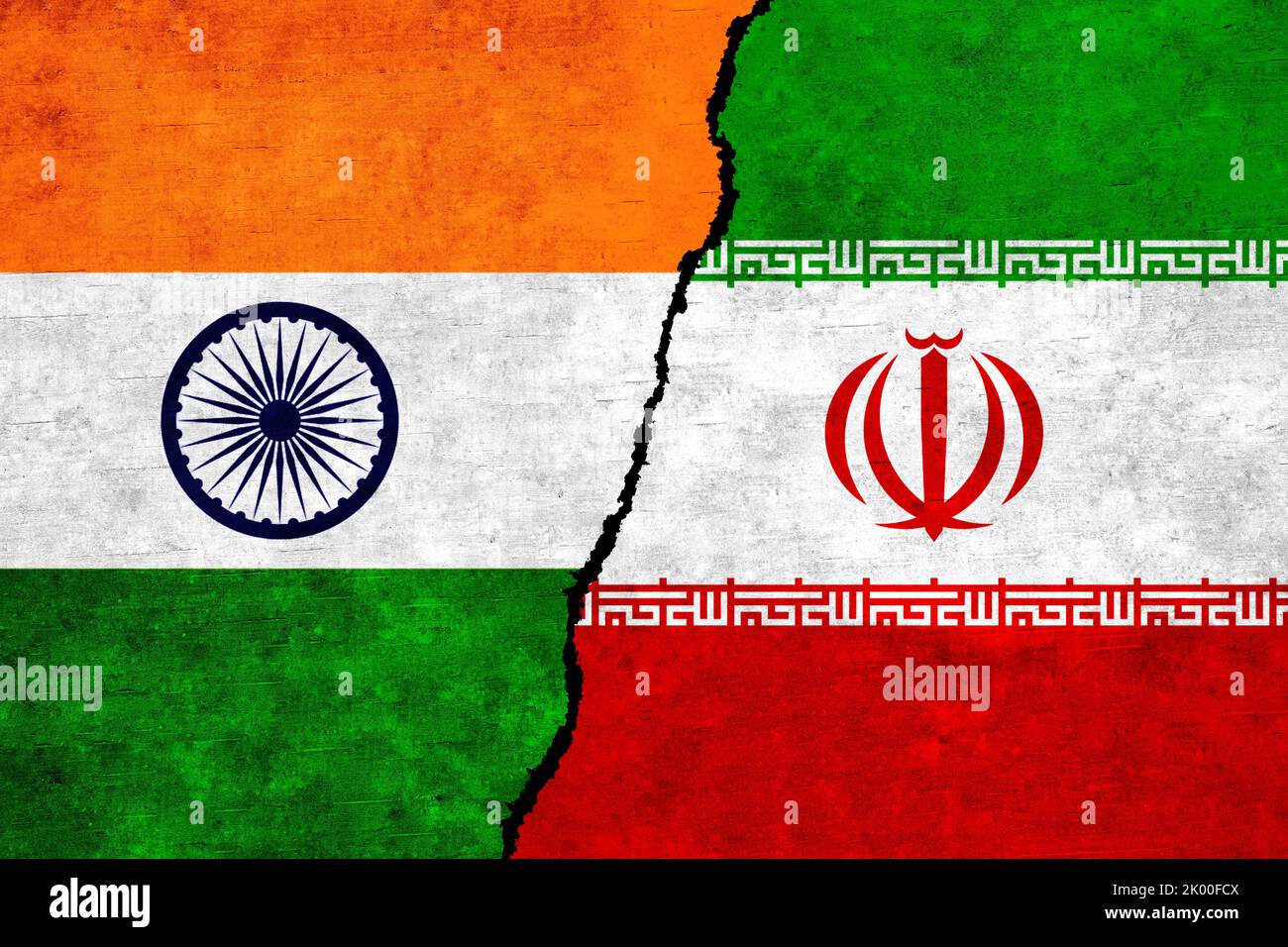
Adding to this complexity is a pre-existing geopolitical tension with Pakistan. Indian carriers have been avoiding Pakistani airspace since April 2025, when it was closed to Indian airlines following hostilities triggered by the Pahalgam terrorist attack. The combination of closed Pakistani airspace and the current Iranian conflict has left Indian pilots with few viable options, forcing them into costly detours that drive up fuel consumption and crew hours.
These disruptions have a direct impact on the consumer. The scarcity of available slots and the increased cost of operation have led to a surge in ticket prices. For passengers like Sikdar, these changes often manifest as abrupt cancellations or fares that spike dramatically just as travel dates approach, denting the momentum of India’s domestic and international aviation growth.
The Economic Ripple Effect: Oil and the Rupee
While airspace closures disrupt the movement of people, the conflict has triggered a simultaneous crisis in energy economics. India is exceptionally vulnerable to Middle East instability because it imports more than 85% of its domestic oil needs, with approximately half of its crude oil imports transiting through the Strait of Hormuz as reported by CNBC.
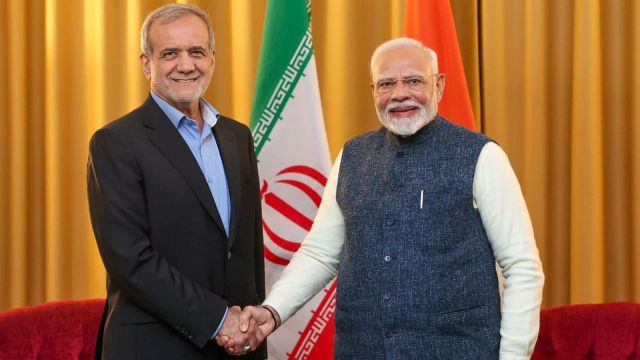
The market responded sharply to the strikes on Iran, the fourth-largest oil producer in OPEC. Brent crude prices surged 9.3% to reach a new 52-week high of $79.40 a barrel. Pankaj Srivastava, senior vice president at energy research firm Rystad Energy, noted that even a “few dollars’ increase in [oil] prices can materially affect [India’s] energy economics.” This surge in costs puts immense pressure on India’s balance of payments and threatens to weaken the rupee.
The broader macroeconomic impact is significant. Morgan Stanley has indicated that every US$10 per barrel sustained rise in oil prices can directly hit Asia’s GDP growth by 20 to 30 basis points. While S&P Global expects India’s GDP growth to reach 7% in 2026, the current supply shock creates a volatile environment that could undermine these projections if oil prices remain elevated.
Impact on Tourism and Global Hub Models
The conflict is also threatening the “hub model” that many Indian travelers rely on, particularly the transit hubs in the Gulf. For decades, cities like Dubai have served as the primary bridge for Indian tourists and business travelers heading west. When airspace in the Gulf is restricted or shut down, the entire connectivity chain breaks.
Sumitro Kar, Executive Director of the World Travel and Tourism Council, India Initiative (WTTCII), described the situation as “one of the sharpest aviation shocks of 2026 so far, with thousands of flights affected and key airspaces and hubs disrupted.” The disruption extends beyond leisure travel, affecting labor migration, business routes, and long-haul connectivity.
M.P. Bezbaruah, Secretary General of the Hotel Association of India and former Union Tourism Secretary, emphasized that the impact on the movement of tourists is likely to be substantial. He noted that the Gulf is an “important transit bridge” and that the scale of the disruption will depend on the duration and intensity of the conflict.
Key Economic and Operational Impacts
| Metric | Impact/Detail | Source/Context |
|---|---|---|
| Flight Durations | Increased by 15-40% on some routes | Airspace detours around Iran/Pakistan |
| Brent Crude Price | Reached $79.40 per barrel (9.3% surge) | Supply shock following Iran strikes |
| Oil Dependency | >85% of domestic needs imported | High vulnerability to Strait of Hormuz closure |
| GDP Growth (2026) | Projected 7% (S&P Global) | Threatened by oil price hikes |
| Passenger Fares | Some legs increased up to fivefold | Driven by rerouting and demand shifts |
As the situation in West Asia remains fluid, the Indian aviation sector finds itself in a precarious position. The “boom” that characterized the early 2020s is now being tested by the realities of global geopolitical instability. For carriers, the priority has shifted from expansion to resilience, as they navigate a landscape of closed skies and soaring fuel costs.
The next critical checkpoint for the industry will be the monitoring of oil price stability and any potential diplomatic resolutions that could reopen Middle Eastern airspace. Until then, travelers are advised to monitor official airline advisories and government travel warnings for the region.
Do you have travel plans affected by these disruptions? Share your experience in the comments below or share this article to retain others informed.
Keep reading