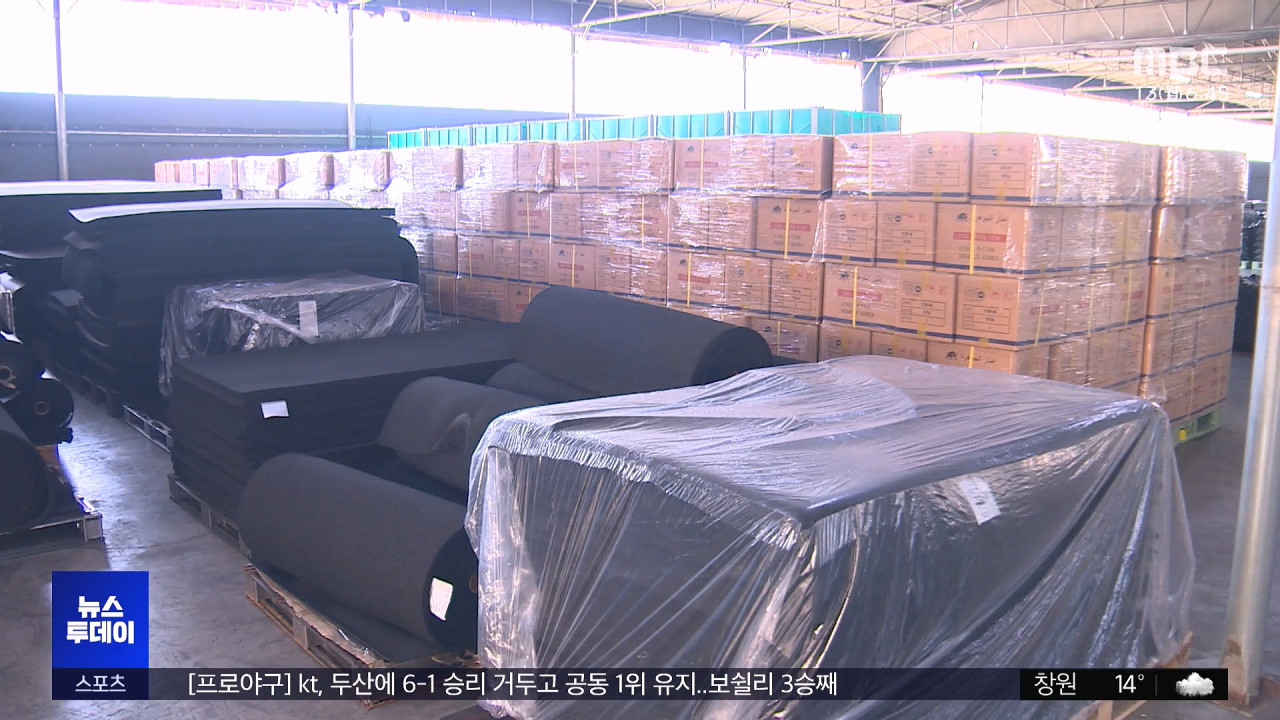
South Korean export companies are currently grappling with a compounding crisis as the escalation of conflict in the Middle East triggers a volatile mix of payment defaults and skyrocketing operational costs. For many firms operating within regional industrial complexes, the situation has shifted from a manageable risk to an urgent emergency, with some reporting a total loss of contact with Middle Eastern trading partners after goods have already been shipped.
This instability is not merely a localized trade dispute but part of a broader systemic shock. The Middle East conflict impact on Korean exports is manifesting as a multi-stage economic chain reaction, where surging energy prices lead to domestic inflation, which in turn destabilizes exchange rates and erodes the competitiveness of South Korean manufactured goods on the global stage.
As a nation with one of the lowest energy self-sufficiency rates in the world, South Korea is uniquely exposed to disruptions in the Gulf region. The current crisis is putting immense pressure on diverse sectors, ranging from heavy petrochemicals and automotive manufacturing to shipping, aviation, and insurance, creating a complex risk environment that threatens the stability of the nation’s export-driven economy.
The Payment Crisis and Logistics Bottlenecks
For small and medium-sized enterprises (SMEs) in regional industrial hubs, the most immediate threat is the sudden cessation of communication from Middle Eastern clients. Companies have reported shipping products only to find their partners unreachable, leaving them unable to collect payments for delivered goods. This creates a critical liquidity crunch for firms that often operate on thin margins.
Beyond payment defaults, the cost of moving goods has surged. The expansion of the conflict has led to a simultaneous rise in maritime and aviation freight rates, adding significant overhead to every shipment. The insurance industry is reacting to the heightened risk of transit through conflict zones, resulting in a spike in war insurance premiums that further squeezes the profitability of export-oriented firms according to industry reports.
Energy Dependency: The Core Vulnerability
The severity of the economic shock is rooted in South Korea’s extreme reliance on imported energy. As of 2025, South Korea’s dependency on imported crude oil stands at approximately 99%, with roughly 72% of that crude oil sourced directly from the Middle East as detailed in recent economic analysis. The vulnerability extends to natural gas as well, with Middle Eastern sources accounting for about 30% of the country’s LNG imports.
The financial scale of this dependency is staggering, with annual crude oil import expenditures hovering around $100 billion per data from 2025. Much of this supply must pass through the Strait of Hormuz, a critical maritime chokepoint that handles approximately 20% of the global oil supply. Any disruption to this route typically triggers sharp short-term spikes in oil prices, often increasing by $20 to $40 per barrel, as seen in historical patterns during the 1973 oil shock and the 1990 Gulf War.
Industrial Ripple Effects: From Petrochemicals to Autos
The impact of the conflict is felt most acutely in the petrochemical sector, which serves as the foundation for various other industries. Disruptions in the supply of naphtha and condensate from the Middle East have forced some domestic companies to consider production cuts and operational adjustments as reported by business analysts.
Because naphtha and condensate are essential raw materials for producing ethylene and propylene, a supply shortage creates a domino effect. The resulting cost increases ripple through the manufacturing of:
- Plastics and synthetic fibers
- Automotive tires
- Industrial paints and coatings
This puts immense pressure on the automotive and electronics sectors, where raw material costs are rising just as global demand faces uncertainty. In regions like Daegu and Gyeongbuk, where manufacturing is heavily reliant on GCC (Gulf Cooperation Council) markets, companies are facing a “double pressure” of rising energy costs and fluctuating currency values.
Macroeconomic Volatility: Oil and the Won
The synergy between rising Brent crude prices and a weakening Korean Won has created a challenging financial environment. Recent market volatility has seen the exchange rate break the 1,500 KRW per USD threshold according to regional business reports. While a weaker currency can sometimes benefit exporters, the benefit is currently negated by the soaring cost of the energy and raw materials required to produce those exports.

This creates a vicious cycle: higher oil prices drive up the cost of imports, which puts downward pressure on the Won, which then makes those same energy imports even more expensive in local currency terms. This cycle ultimately fuels domestic inflation, reducing the purchasing power of households and increasing the cost of living.
Summary of Economic Impact Chain
| Stage | Primary Trigger | Economic Result | Impacted Stakeholders |
|---|---|---|---|
| 1 | Oil Price Surge | Increased energy & logistics costs | Petrochemicals, Shipping, Aviation |
| 2 | Price Inflation | Rising raw material costs | Manufacturing, Electronics, Auto |
| 3 | Currency Volatility | Won depreciation (1,500+ KRW/USD) | Importers, Financial Markets |
| 4 | Export Decline | Payment defaults & reduced competitiveness | Regional SMEs, Export firms |
As the possibility of prolonged military conflict between the U.S. And Iran persists, South Korean enterprises are being urged to diversify their supply chains and hedge against currency risks to survive the ongoing volatility.
The next critical checkpoint for businesses will be the upcoming updates on shipping route safety and potential diplomatic interventions to stabilize the Hormuz Strait, which will determine if freight and insurance premiums return to sustainable levels.
Do you have a business impacted by these supply chain disruptions? Share your experience in the comments below or contact our editorial team for further analysis.
Related reading