
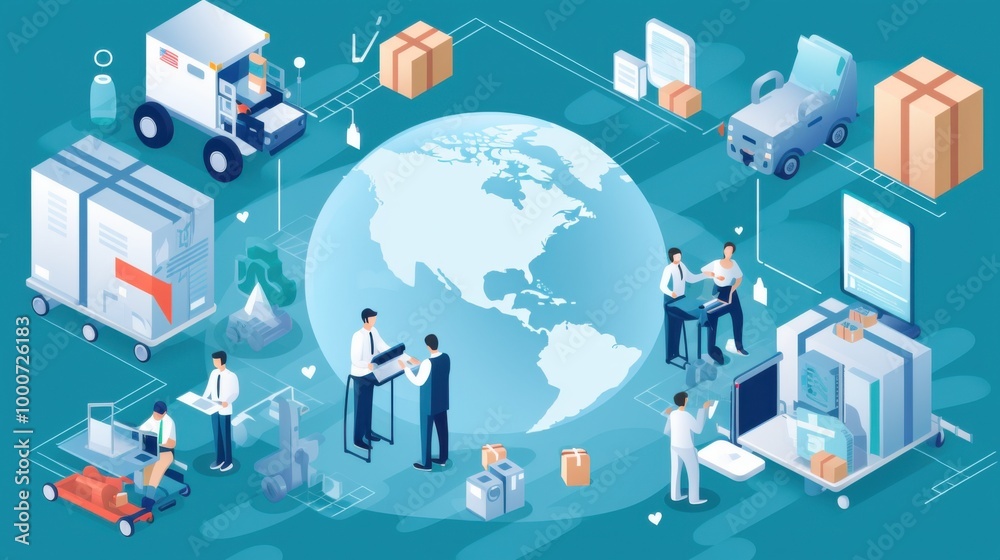
South Korea’s Medical Supply Chains Hold Steady Amid Middle East Tensions
Seoul, South Korea — As geopolitical tensions in the Middle East disrupt global supply chains, South Korea’s healthcare system has managed to maintain stable inventories of critical medical supplies, including a 20% increase in intravenous (IV) set stockpiles compared to last year. The resilience comes as a result of coordinated efforts between the government, hospitals, and manufacturers to mitigate potential shortages caused by disruptions in raw material shipments and rising production costs.
Recent data from the Ministry of Health and Welfare, released during the Fifth Health and Pharmaceutical Sector Meeting on April 28, 2026, shows that key medical products—such as syringes, IV sets, and sterile packaging—are either at or above pre-crisis levels. The findings offer a rare bright spot in an otherwise volatile global market, where healthcare systems worldwide are grappling with supply chain bottlenecks and price surges.
“The stability we’re seeing in South Korea’s medical supply inventories is a testament to proactive planning and cross-sector collaboration,” said Dr. Lee Soo-jin, a supply chain analyst at the Korean Hospital Association. “Although the global situation remains unpredictable, these measures have helped prevent disruptions in patient care.”
Middle East Conflict Strains Global Supply Chains
The ongoing conflict in the Middle East, particularly involving Iran and neighboring countries, has sent shockwaves through global trade routes. The U.S. Energy Information Administration reports that commercial activity through the Strait of Hormuz—a critical chokepoint for oil and petrochemical shipments—has dropped by nearly 30% since the escalation of hostilities in early 2026. This has led to a cascade of challenges for industries reliant on petroleum-based materials, including healthcare.
One of the most affected raw materials is naphtha, a key feedstock for producing medical-grade plastics used in IV bags, syringes, surgical gowns, and sterile packaging. According to the Korea Petroleum Association, naphtha prices in South Korea surged by more than 80% in March 2026 alone, while global prices rose by 35%. Freight costs have also spiked, with ocean shipping rates increasing by over 50%, further squeezing manufacturers’ margins.
Despite these pressures, South Korea’s healthcare system has avoided the acute shortages seen in other countries. A nationwide inventory survey conducted by the Ministry of Health and Welfare between April 14 and April 20, 2026, found that 357 medical facilities—including 25 tertiary hospitals, 206 general hospitals, and 126 smaller clinics—maintained adequate stockpiles of essential items. The survey covered eight high-priority products, with results showing that most items either matched or exceeded 2025 inventory levels.
Inventory Levels: A Closer Look at the Data
The Ministry’s report highlighted the following year-over-year inventory comparisons for key medical supplies:
| Product | 2026 Inventory (vs. 2025) |
|---|---|
| IV Sets | 120% (20% increase) |
| Syringes | 100% (no change) |
| IV Bags | 100% (no change) |
| Catheters | 100% (no change) |
| Medical Waste Containers | 110% (10% increase) |
| Urine Bags | 110% (10% increase) |
| Dialysis Fluid Containers | 80% (20% decrease) |
| Sterile Packaging | 90% (10% decrease) |
Notably, IV sets saw the most significant improvement, with inventories rising by 20% compared to 2025. This increase is particularly critical, as IV sets are essential for administering fluids, medications, and blood products in hospitals and clinics. The Ministry attributed the rise to accelerated procurement efforts and diversified sourcing strategies implemented in late 2025.
However, not all products fared equally. Dialysis fluid containers and sterile packaging saw slight declines, with inventories at 80% and 90% of 2025 levels, respectively. While these figures remain within manageable ranges, officials have flagged them as areas requiring continued monitoring, particularly as the conflict in the Middle East shows no signs of abating.
Government and Industry Response
South Korea’s ability to weather the supply chain storm can be traced to a series of preemptive measures launched in early 2026. In response to growing concerns over global instability, the Ministry of Health and Welfare established a task force in collaboration with the Korean Hospital Association and the Ministry of Food and Drug Safety. The task force’s mandate was to identify potential vulnerabilities in the medical supply chain and implement strategies to ensure continuity of care.

Key initiatives included:
- Real-Time Inventory Tracking: Hospitals were required to submit weekly reports on stock levels for 14 high-risk items, including IV sets, syringes, and sterile packaging. This allowed the government to identify and address potential shortages before they escalated.
- Diversified Sourcing: Manufacturers were encouraged to secure alternative suppliers for critical raw materials, reducing reliance on conflict-affected regions. Some companies have begun sourcing naphtha from Southeast Asia and the Americas as a contingency.
- Priority Allocation: The government designated certain medical supplies as “essential” and mandated that raw materials be prioritized for their production. This included packaging for prescription medications, which saw production volumes increase by 5% in April 2026 compared to the same period last year.
- Price Stabilization Measures: To offset rising production costs, the government provided temporary subsidies to manufacturers producing high-priority items. This helped prevent price gouging and ensured that hospitals could maintain adequate stockpiles without passing costs onto patients.
“The proactive steps taken by the government and industry partners have been instrumental in preventing supply chain disruptions,” said Kim Ji-hoon, a spokesperson for the Ministry of Health and Welfare. “While we cannot control global events, we can control how we respond to them—and that’s exactly what we’ve done.”
Challenges Remain as Conflict Persists
Despite the progress, experts warn that the situation remains fragile. The ongoing conflict in the Middle East continues to pose risks to global supply chains, and further escalations could lead to renewed shortages. The rising cost of raw materials has already led to price increases for some medical products. For example, the cost of disposable syringes and needles has risen by 15-20% since the start of the year, according to industry reports.
There are also concerns about the long-term sustainability of current inventory levels. While stockpiles are stable for now, some hospitals have reported difficulties in securing certain items, such as blood dialysis fluid containers, which rely heavily on imported materials. If the conflict persists, manufacturers may face production slowdowns or even temporary shutdowns, particularly for products with complex supply chains.
“We’re not out of the woods yet,” said Dr. Park Min-ji, a supply chain expert at Seoul National University Hospital. “The current stability is the result of short-term measures, but we need long-term solutions to ensure resilience. This includes investing in domestic production capabilities and reducing our dependence on volatile global markets.”
What’s Next for South Korea’s Healthcare System?
The Ministry of Health and Welfare has announced plans to continue monitoring the situation closely, with another inventory survey scheduled for May 2026. Officials have also indicated that they are exploring additional measures to support manufacturers, including tax incentives for companies that invest in domestic production of critical medical supplies.
For now, however, the focus remains on maintaining the current stability. “Our priority is to ensure that every patient in South Korea has access to the care they need, regardless of global circumstances,” said Deputy Minister Lee Hyeon-woo during the April 28 meeting. “We will continue to operate with all stakeholders to achieve that goal.”
Key Takeaways
- Stable Inventories: South Korea’s medical supply inventories, including IV sets, syringes, and sterile packaging, are either stable or improved compared to 2025 levels, despite global supply chain disruptions.
- IV Set Stockpiles Up 20%: IV sets saw the most significant increase in inventory levels, rising by 20% year-over-year, ensuring continued access to critical medical treatments.
- Government-Led Initiatives: Proactive measures, such as real-time inventory tracking, diversified sourcing, and priority allocation of raw materials, have helped prevent shortages.
- Price Pressures: Rising raw material costs have led to price increases for some medical products, including a 15-20% rise in the cost of disposable syringes and needles.
- Ongoing Risks: The conflict in the Middle East continues to pose risks to global supply chains, and further escalations could lead to renewed shortages or production slowdowns.
- Future Plans: The Ministry of Health and Welfare will conduct another inventory survey in May 2026 and is exploring long-term measures, such as tax incentives for domestic production.
FAQ
Why are medical supply chains vulnerable to geopolitical conflicts?
Medical supply chains are highly dependent on global trade routes and raw materials, many of which are sourced from regions affected by geopolitical instability. For example, naphtha—a key feedstock for medical-grade plastics—is primarily produced in the Middle East. Disruptions in this region can lead to shortages and price spikes for essential medical products like IV bags, syringes, and sterile packaging.

How has South Korea managed to maintain stable inventories?
South Korea’s stability is the result of coordinated efforts between the government, hospitals, and manufacturers. Key measures include real-time inventory tracking, diversified sourcing of raw materials, priority allocation for critical supplies, and temporary subsidies to offset rising production costs.
Which medical supplies have seen the most significant changes in inventory levels?
IV sets have seen the most notable improvement, with inventories rising by 20% compared to 2025. However, some items, such as dialysis fluid containers and sterile packaging, have seen slight declines, though they remain within manageable levels.
What are the risks if the Middle East conflict continues?
If the conflict persists, there is a risk of renewed shortages, particularly for products reliant on imported raw materials. Rising production costs could also lead to higher prices for medical supplies, which may eventually be passed onto patients.
What long-term solutions is South Korea considering?
The Ministry of Health and Welfare is exploring long-term measures to enhance supply chain resilience, including tax incentives for companies that invest in domestic production of critical medical supplies. This could reduce dependence on volatile global markets and improve self-sufficiency.
Conclusion
South Korea’s ability to maintain stable medical supply inventories amid global uncertainty is a rare success story in an otherwise challenging landscape. While the situation remains fragile, the proactive steps taken by the government and industry partners have provided a critical buffer against potential disruptions. As the conflict in the Middle East continues, the focus will shift to long-term solutions that ensure the healthcare system’s resilience in the face of future crises.
The next official update from the Ministry of Health and Welfare is expected in late May 2026, following the completion of the next inventory survey. In the meantime, healthcare providers and patients alike can take some comfort in knowing that, for now, the system is holding steady.
What are your thoughts on South Korea’s approach to managing medical supply chains? Share your comments below, and don’t forget to follow World Today Journal’s Health section for the latest updates on global health and policy developments.