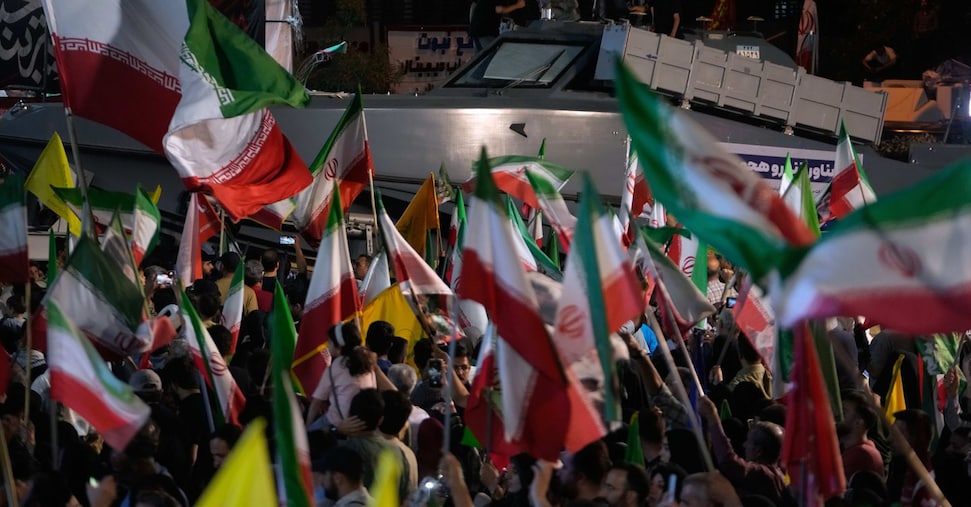
Iran’s Revolutionary Guard Claims Strikes on U.S. Military Bases: Escalation Risks and Global Reactions
Tensions in the Middle East have reached a critical juncture as Iran’s Islamic Revolutionary Guard Corps (IRGC) announced it has struck U.S. Military bases in retaliation for recent regional operations. The claims, made through state-affiliated media, come as diplomatic channels between Tehran and Washington appear to have collapsed entirely. While the U.S. Department of Defense has not yet confirmed the attacks, officials are reportedly assessing potential damage and preparing for heightened regional security protocols.
The IRGC’s announcement—delivered through its official Iran News Agency (IRNA)—marks a dramatic escalation in a conflict that has seen proxy wars flare across Syria, Iraq and Yemen. The strikes, if confirmed, would represent the most direct confrontation between Iranian forces and U.S. Military assets since the 2020 killing of Iranian general Qasem Soleimani. Meanwhile, the United Nations Security Council has convened an emergency session to address the crisis, with diplomats from member states scrambling to prevent further destabilization.
This article examines the verified claims of the strikes, the immediate diplomatic fallout, and the potential consequences for global security—including the possible involvement of Israel and regional allies in the Gulf.
Key Developments: Strikes, Diplomacy, and Military Assessments
According to the IRGC’s statement, the strikes were carried out using a combination of precision-guided missiles and drones, targeting what the group described as “key U.S. Military infrastructure.” While the IRGC did not specify locations, Western intelligence sources suggest the strikes may have occurred in Iraq and Syria, where U.S. Forces maintain a presence to counter Iranian-backed militias.
The U.S. Pentagon has not issued a public statement confirming the attacks, but sources familiar with the matter indicate that assessments are underway to determine if any U.S. Personnel or assets were affected. The White House has reportedly convened a high-level meeting of national security advisors to evaluate potential responses.
Diplomatic efforts to de-escalate appear to have stalled. Iran’s Foreign Ministry announced on Saturday that it had suspended all diplomatic communications with the U.S., citing “unacceptable aggression” in the region. The move follows a series of clashes, including recent strikes in Syria attributed to Israel, which Iran has accused of being a U.S. Proxy.
United Nations Security Council Convenes Emergency Session
The United Nations Security Council held an emergency session on Monday afternoon, with diplomats from permanent member states—including the U.S., Russia, China, France, and the UK—exchanging sharp statements. The U.S. Delegation condemned the attacks, while Iran’s allies, including Russia and China, called for restraint and a return to diplomatic dialogue.
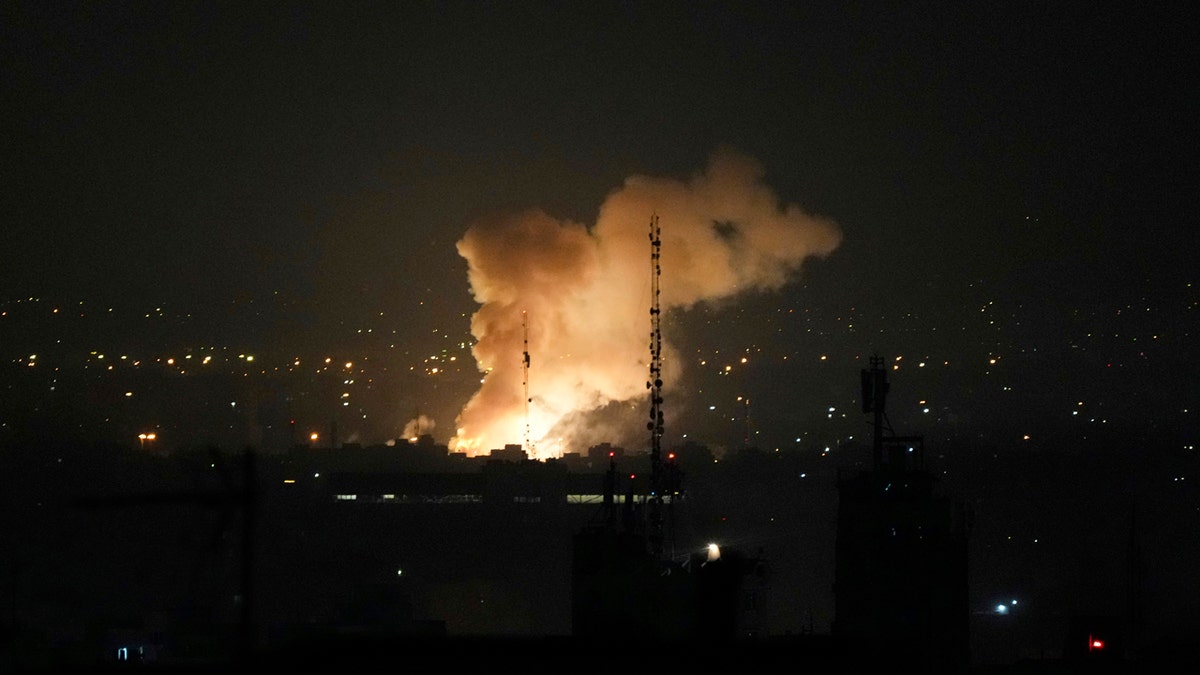
In a statement to the council, the U.S. Ambassador emphasized that “any attack on American personnel or assets will be met with a swift and decisive response.” Meanwhile, Russia’s envoy urged all parties to avoid actions that could lead to “uncontrolled escalation,” a reference widely interpreted as a warning to both Iran and the U.S.
China, which has historically sought to mediate between Tehran and Washington, called for an immediate ceasefire and a return to the 2015 nuclear deal framework, though it stopped short of blaming either side directly.
Regional Reactions: Israel, Gulf Allies, and Proxy Conflicts
Israel, which has engaged in repeated strikes against Iranian-backed militias in Syria and Iraq, has not yet commented on the IRGC’s claims. However, Israeli military sources suggest that the country is monitoring the situation closely, particularly in light of recent tensions along its northern border with Lebanon.
In the Gulf, Saudi Arabia and the UAE have issued statements expressing concern over the escalation. The Saudi Foreign Ministry called for “maximum restraint” and urged all parties to avoid actions that could destabilize the region further. The UAE, which has sought to balance its relations with both Iran and the U.S., has not yet issued a public response but is reported to be in contact with Washington to assess the situation.
Iranian-backed militias, including Kata’ib Hezbollah in Iraq and Hezbollah in Lebanon, have also been placed on high alert. Analysts warn that any direct U.S.-Iran confrontation could draw these groups into broader conflicts, particularly in Iraq and Syria.
What Happens Next? Potential Scenarios and Consequences
Analysts are divided on the potential outcomes of this escalation. Some warn of a limited but protracted conflict, with both sides engaging in targeted strikes rather than full-scale war. Others suggest that diplomatic efforts could still prevail, particularly if regional allies—such as Saudi Arabia and Turkey—exert pressure on both Tehran and Washington.
Key factors to watch include:
- The U.S. Military’s official response, including whether it confirms the IRGC’s claims and outlines any retaliatory measures.
- Israel’s role, particularly if it perceives the strikes as an opportunity to weaken Iranian influence in Syria.
- The actions of Iranian-backed militias, which could escalate attacks on U.S. Or allied forces in the region.
- The outcome of the UN Security Council session, including whether a resolution can be reached to de-escalate tensions.
Economically, the crisis could further strain global oil markets, which have already seen volatility in recent weeks due to tensions in the Red Sea and the disruption of shipping lanes.
Key Takeaways
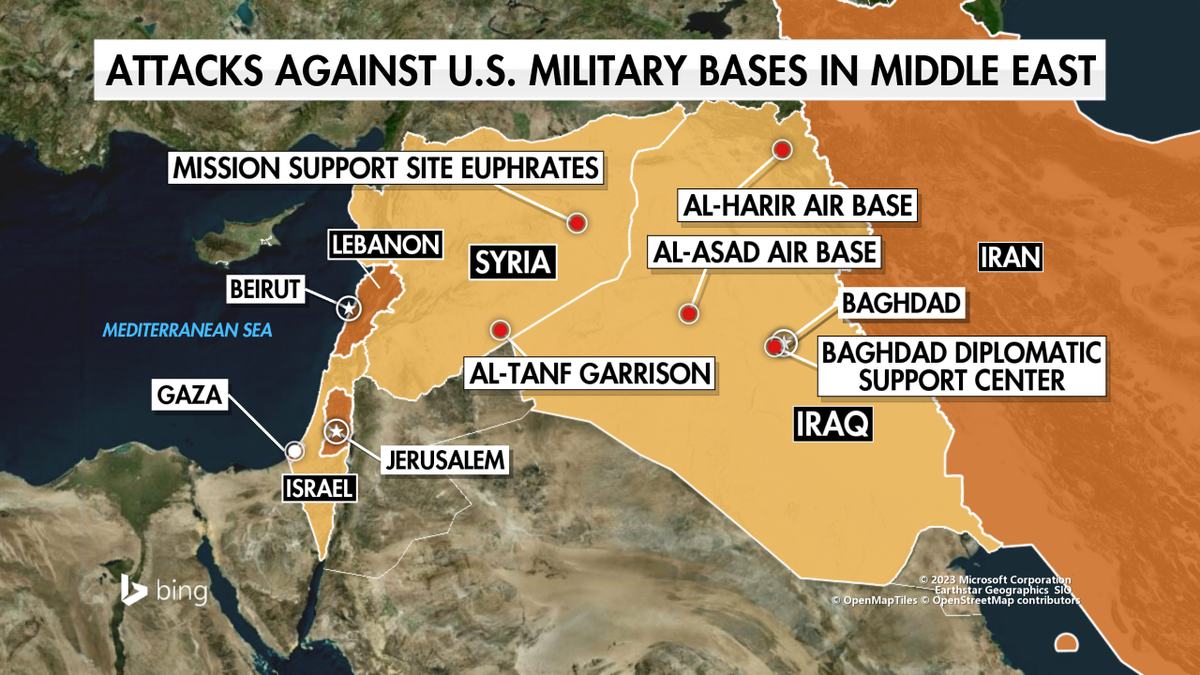
- IRGC Claims: Iran’s Revolutionary Guard Corps has announced strikes on U.S. Military bases, though details remain unverified.
- Diplomatic Collapse: Iran has suspended all diplomatic communications with the U.S., citing “unacceptable aggression.”
- UN Emergency Session: The Security Council convened to address the crisis, with calls for restraint from major powers.
- Regional Tensions: Israel, Gulf allies, and Iranian-backed militias are on high alert, risking further escalation.
- Economic Impact: Oil markets could face further disruptions as tensions rise in the Middle East.
- Next Steps: Watch for U.S. Military confirmations, Israeli responses, and UN resolutions in the coming days.
Frequently Asked Questions
- Q: Has the U.S. Confirmed the IRGC’s claims?
A: No. The Pentagon has not issued a public statement, though assessments are reportedly underway. - Q: Could this lead to a full-scale war?
A: Analysts suggest a limited but protracted conflict is more likely, with targeted strikes rather than all-out war. - Q: What role will Israel play?
A: Israel is monitoring the situation closely and may respond if it perceives Iranian aggression as a threat. - Q: How could this affect oil prices?
A: Further disruptions in the Middle East could lead to volatility in global oil markets. - Q: What is the UN’s role in this crisis?
A: The Security Council has convened an emergency session, but a resolution to de-escalate remains uncertain.
This situation remains fluid, with developments unfolding rapidly. For the latest updates, monitor official statements from the U.S. Department of State, the United Nations, and Iran’s official media outlets.
Share your thoughts on this escalation in the comments below or on our social media channels. What steps do you believe should be taken to prevent further conflict?
Worth a look