
In a significant escalation of regional tensions, Iran has reportedly ceased all dialogue and exchange of texts through mediation, according to reports from its semi-official news agency, Tasnim. This development follows a period of heightened military activity in the region, characterized by a series of strikes and counter-strikes involving U.S., Israeli, and Iranian forces. The move marks a sharp departure from the diplomatic efforts that have been underway since early spring.
The decision to halt negotiations coincides with Iran’s declaration that We see blocking the Strait of Hormuz, a critical maritime chokepoint for global energy supplies. The move follows what the U.S. Central Command (CENTCOM) described as an attempted strike on American personnel in Kuwait on Sunday night, which was successfully intercepted. According to a statement from CENTCOM, two missiles were neutralized, and no American personnel were harmed in the incident.
As the international community monitors the situation, the breakdown in communication between Tehran and Washington raises urgent questions regarding the stability of the Persian Gulf. With major combat operations having been announced by the United States on February 28, 2026, the current suspension of diplomatic channels leaves few avenues for de-escalation in the immediate term. The United States has maintained a blockade policy that remains in effect until negotiations can be concluded, as confirmed by official briefings regarding the ongoing regional posture.
The Collapse of Diplomatic Channels
The suspension of diplomatic engagement represents the latest failure to establish a lasting peace deal following initial talks held in Pakistan this past April. Those discussions, which were intended to formalize a ceasefire, failed to produce a comprehensive agreement. Since that time, the United States has continued to enforce a blockade while engaging in what it characterizes as self-defense strikes against military and infrastructure sites within Iran, as noted in updates from U.S. Government-affiliated reporting channels.

Iran’s stated justification for walking away from negotiations is linked to ongoing military operations in Lebanon, specifically citing Israeli strikes in the area. This regional interconnectedness underscores the complexity of the current crisis, as the conflict in the Levant directly influences the diplomatic trajectory between Tehran and Western powers. The U.S. State Department, led by Secretary of State Marco Rubio, has been actively engaged in discussions with regional leaders, including Lebanese President Joseph Aoun and Israeli Prime Minister Benjamin Netanyahu, in an attempt to propose de-escalation strategies between Israel and the Hezbollah militia.
Maritime Security and the Strait of Hormuz
The threat to close the Strait of Hormuz carries profound implications for the global economy, given the volume of oil and liquefied natural gas that transits through the narrow waterway daily. While Iran’s military headquarters has claimed full authority over the area, the practical enforcement of a total blockade remains a point of intense concern for international shipping regulators and global energy markets. The strategic importance of the Strait is such that any disruption, whether partial or total, typically triggers immediate volatility in commodity pricing.
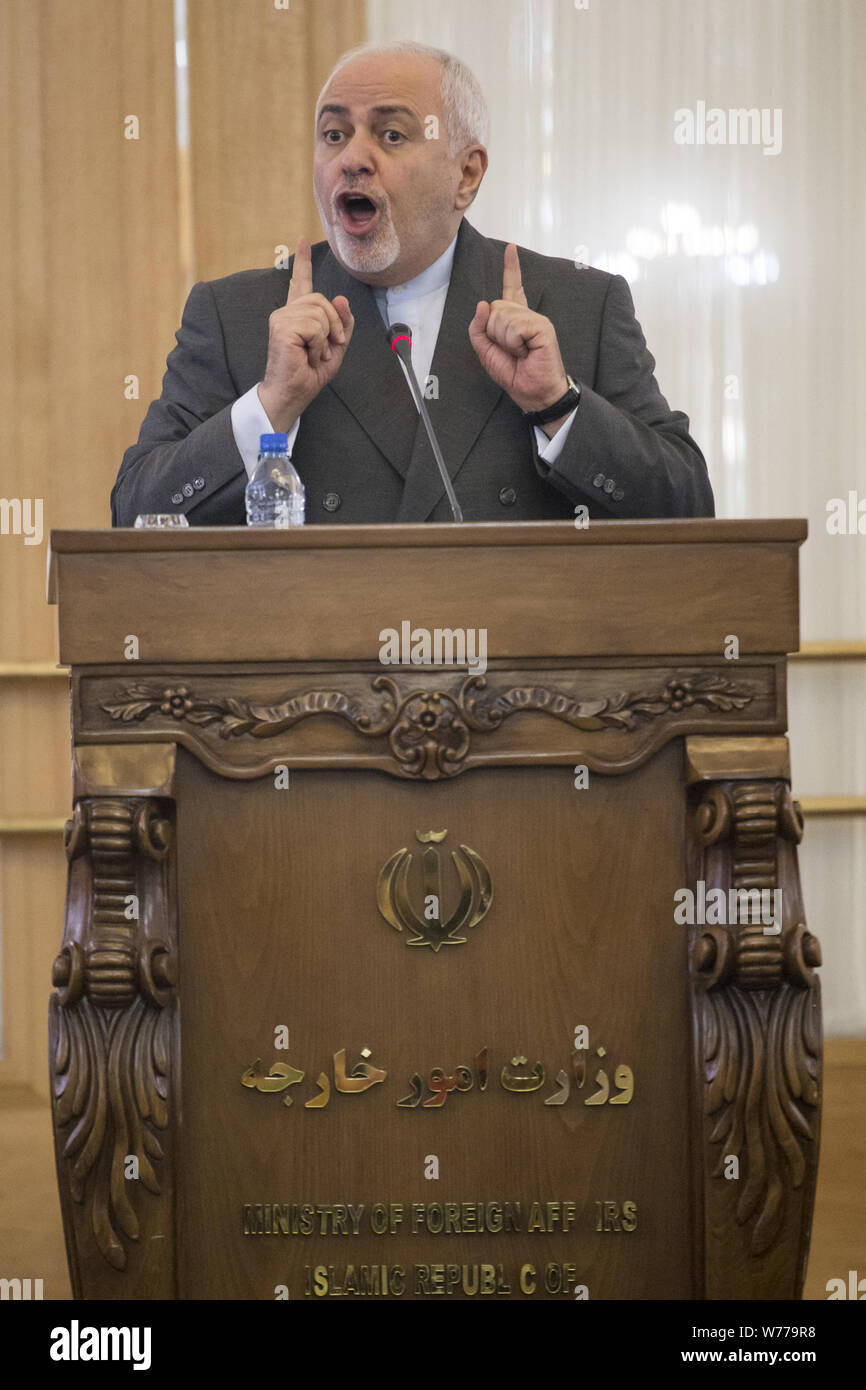
The U.S. Military’s interception of missiles targeting American troops in Kuwait serves as a stark reminder of the risks to regional security. CENTCOM’s confirmation that the missiles were “immediately defeated” provides some assurance that active defensive measures remain effective, yet the frequency of such engagements suggests a high level of operational tension. For those tracking the impact on regional logistics, official updates from maritime authorities and the U.S. Department of Defense remain the most reliable sources for information regarding safety advisories and transit risks.
Looking Ahead: The Path of Uncertainty
As of June 1, 2026, the situation remains fluid. The cessation of talks, coupled with the ongoing U.S. Blockade and the expansion of offensive operations in southern Lebanon, creates a precarious environment. International observers are currently focused on whether any third-party intermediaries can bridge the divide created by the recent suspension of dialogue. The U.S. Government has indicated that the ceasefire and blockade will continue until a definitive resolution is reached “one way or the other,” signaling a long-term commitment to the current policy framework.
For the global community, the immediate focus remains on the prevention of further escalation in the Persian Gulf. While the current diplomatic freeze is in place, official channels from the U.S. Department of State and CENTCOM are the primary resources for updates on military posture and diplomatic initiatives. We will continue to track these developments as they unfold, providing verified reporting on the status of maritime security and any potential resumption of international talks.
As this is a developing story, readers are encouraged to monitor official government statements for real-time updates regarding travel advisories and maritime safety. We invite you to share your thoughts on the impact of these developments in the comments section below.