
For millions of people worldwide, the phrase “I have a migraine” is often met with a sympathetic but reductive response: “I get those too; a strong painkiller usually does the trick.” This common dismissal stems from a fundamental misunderstanding of the condition, conflating a complex neurological event with a simple tension headache.
At Medisch Centrum Hofspoor, a new initiative is working to dismantle this misconception. Through a poignant visual campaign titled “Migraine is geen hoofdpijn” (Migraine is not a headache), the medical center is using the power of photography to translate the invisible, often debilitating experience of migraine into a language that the general public and healthcare providers can understand.
The campaign arrives at a critical time. While migraine is one of the most common health conditions globally, it remains one of the most misunderstood. By shifting the narrative from “head pain” to “neurological dysfunction,” the initiative aims to improve patient validation and accelerate the path to effective treatment.
The Visual Language of Invisible Pain
The core of the “Migraine is geen hoofdpijn” exhibition is the use of imagery to represent symptoms that are impossible to describe accurately to someone who has never experienced them. Because migraine pain is internal and subjective, patients often struggle to convey the severity of their attacks, leading to a cycle of under-diagnosis or the minimization of their suffering.
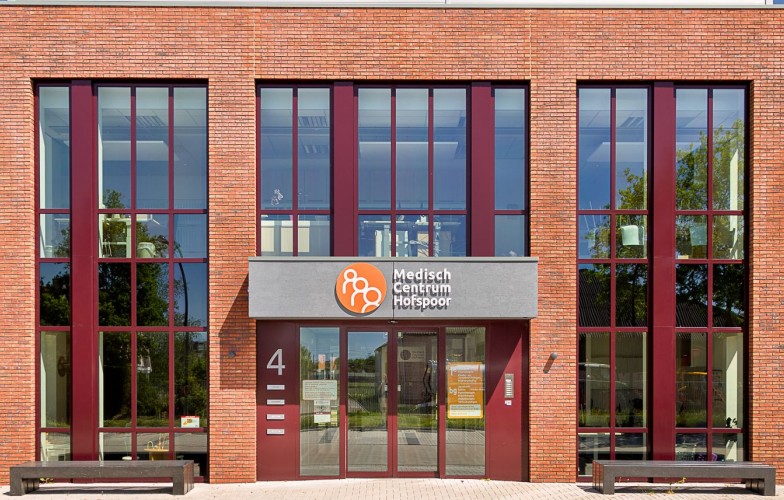
The photographs displayed at Medisch Centrum Hofspoor seek to capture the sensory overload and cognitive disruption that accompany a migraine attack. Rather than focusing solely on the head, the images illustrate the wider systemic impact: the blinding nature of light, the intrusive quality of sound, and the profound fatigue that can linger long after the pain has subsided.
This approach addresses a significant gap in medical communication. When a patient tells a provider they have a “terrible headache,” the clinical response is often focused on analgesics. However, when the condition is framed as a neurological event involving sensory processing failure, the conversation shifts toward preventative care and comprehensive management.
Why the Distinction Matters: Migraine as a Neurological Disorder
The central thesis of the campaign—that migraine is not a headache—is supported by medical science. A migraine is a complex neurological disorder characterized by recurrent attacks that can include a variety of symptoms beyond cranial pain. According to the World Health Organization, migraine is recognized as one of the leading causes of disability worldwide, particularly among women and working-age adults.
Unlike a standard headache, which is typically caused by muscle tension or sinus pressure, a migraine involves a cascade of neurochemical changes in the brain. This often includes the activation of the trigeminal nerve and the release of neuropeptides that cause inflammation in the blood vessels of the brain’s lining.
The “not a headache” distinction is vital because of the diverse phases of a migraine attack, many of which occur without any head pain at all:
- The Prodrome: Subtle changes in mood, food cravings, or neck stiffness that can occur hours or days before the pain starts.
- The Aura: Temporary visual disturbances, such as flashing lights or blind spots, or sensory changes like tingling in the extremities.
- The Attack: The phase characterized by pulsing pain, often accompanied by nausea, vomiting, and extreme sensitivity to light (photophobia) and sound (phonophobia).
- The Postdrome: The “migraine hangover,” leaving the individual feeling exhausted and cognitively impaired.
By highlighting these phases, the Medisch Centrum Hofspoor campaign educates the public that the “headache” is merely one symptom of a much larger biological event.
Breaking the Cycle of Patient Gaslighting
One of the most damaging aspects of the “just a headache” myth is the psychological toll it takes on patients. Many individuals living with chronic migraine report feeling “gaslit” by society and, in some cases, by the medical community. When a debilitating condition is minimized, patients may begin to doubt their own experiences or feel guilt for their inability to function during an attack.
The exhibition at Medisch Centrum Hofspoor serves as a form of clinical validation. For a patient to see their internal struggle reflected in a public gallery within a medical facility is a powerful acknowledgment that their pain is real, biological, and legitimate.
This validation is a prerequisite for effective treatment. Patients who feel understood are more likely to maintain accurate headache diaries, adhere to preventative medication regimens, and communicate more openly with their physicians about the impact of the disorder on their quality of life.
The Broader Impact on Public Health and Productivity
Beyond the individual, the misconception that migraine is a simple headache has significant socioeconomic implications. Because the condition is “invisible,” it is frequently undervalued in workplace settings. Employees suffering from migraines may be viewed as unreliable or lacking resilience, when in reality, they are managing a significant neurological disability.
Improving public literacy on migraine—as seen in the Hofspoor initiative—can lead to more supportive workplace policies, such as the provision of low-stimulus environments or flexible scheduling during attack phases. When employers understand that a migraine is a neurological event rather than a lack of willpower, the focus shifts from policing attendance to implementing reasonable accommodations.
the campaign encourages a more nuanced approach to healthcare. When primary care providers move away from treating migraines as simple headaches, they are more likely to explore the root causes and utilize targeted therapies, such as CGRP inhibitors or neuromodulation, rather than relying on over-the-counter painkillers that can lead to medication-overuse headaches.
Moving Toward a More Empathetic Healthcare Model
The “Migraine is geen hoofdpijn” project is more than an art installation; it is a call for empathy in medicine. It challenges the traditional clinical model where the provider is the sole authority on the patient’s condition, suggesting instead that the patient’s lived experience—captured here through photography—is a critical piece of diagnostic data.

As the campaign continues to raise awareness, the goal is to create a healthcare environment where the phrase “it’s just a migraine” is replaced by “I understand What we have is a neurological attack.” This shift in language represents a shift in care, moving toward a model that prioritizes the patient’s holistic experience over a narrow set of symptoms.
For those seeking more information on managing migraine or identifying triggers, consulting a neurologist or a specialized headache clinic is the recommended next step. Understanding the neurological nature of the condition is the first step toward reclaiming a life no longer dictated by the darkness of a bedroom and the silence of a closed door.
The next phase of awareness involves integrating these visual and educational tools into broader patient-education programs within regional clinics to ensure that no patient feels their struggle is invisible.
Do you or a loved one struggle with the “just a headache” misconception? Share your experience in the comments below or share this article to help spread awareness about the neurological reality of migraine.
Keep reading