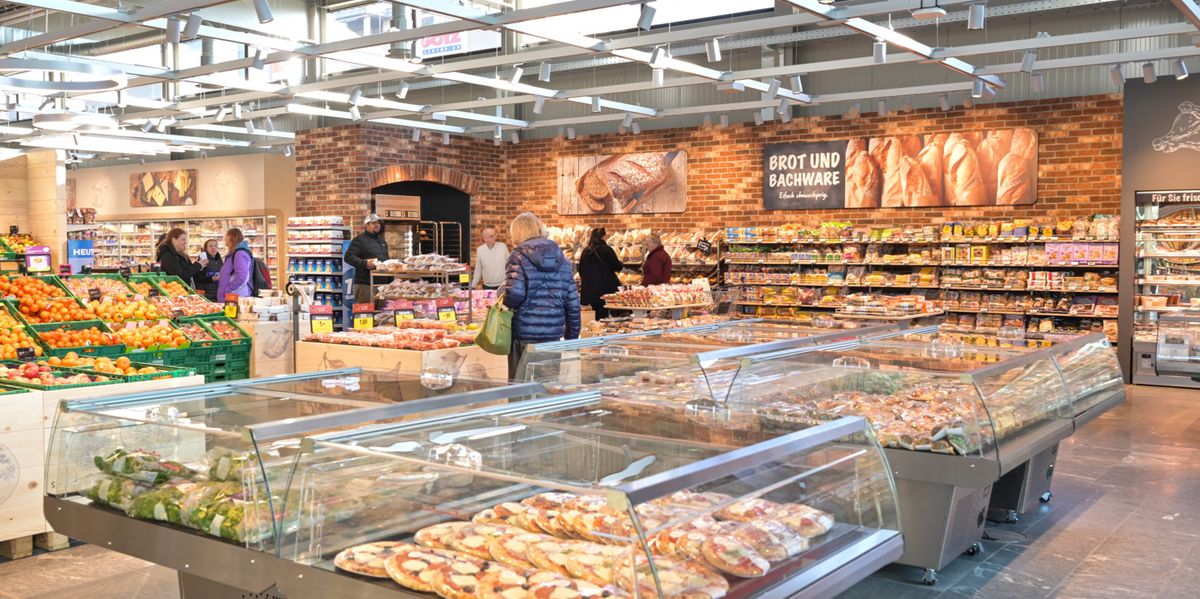
The Swiss retail landscape is currently defined by a stark contrast in corporate identity and public perception. At the center of this dynamic are the country’s two dominant grocery giants, Migros and Coop, whose diverging strategies for emotional engagement and brand positioning have created a distinct divide in how they are viewed by the Swiss public.
While one retailer leans heavily into emotional connection and social resonance, the other appears to maintain a more calculated, detached distance. This strategic divergence is not accidental but reflects a deeper philosophy regarding market presence and consumer psychology in the highly competitive Swiss grocery sector.
Understanding the strategic brand positioning of Migros and Coop requires a look at how these entities manage their public image. Migros has long cultivated an image that “moves hearts,” positioning itself as a community-centric organization deeply embedded in the social fabric of Switzerland. In contrast, Coop often adopts a more neutral or “cold” stance, a move that some analysts suggest is a deliberate choice to prioritize efficiency and a different form of market stability over emotional sentiment.
This tension between emotional appeal and corporate neutrality plays out across various touchpoints, from sustainability initiatives to the way each company handles supply chain disruptions and consumer agreements.
The Emotional Engine: Migros and Community Connection
Migros has historically positioned itself as more than just a supermarket chain. By focusing on social values and a “for the people” approach, the company has built a reservoir of goodwill that allows it to maintain a strong emotional bond with its customer base. This strategy is designed to foster loyalty that transcends price points, creating a sense of shared identity between the shopper and the brand.
However, maintaining such a high level of public expectation comes with its own set of challenges. When operational failures occur, the gap between the “heartfelt” brand image and the reality of the shopping experience can become a point of criticism. For instance, recent reports indicate that Migros has experienced shortages of milk and yogurt, highlighting the friction that occurs when a beloved brand struggles with basic supply chain execution.
The Calculated Distance: Coop’s Neutrality
Coop operates on a different psychological plane. Rather than attempting to “move hearts,” Coop often maintains a professional distance that can be perceived as cold or indifferent. This is widely viewed as a deliberate strategic choice. By avoiding the vulnerability that comes with an overtly emotional brand identity, Coop protects itself from the same type of public backlash that Migros faces when it fails to live up to its “community” promise.
This approach allows Coop to focus on operational excellence and a streamlined consumer experience. While it may not inspire the same passionate loyalty as Migros, it avoids the volatility associated with emotional branding. The “coldness” is a shield, ensuring that the company is judged on its products and services rather than its perceived moral or social standing.
Broader Industry Pressures and Retailer Agreements
The divergence in brand philosophy is mirrored in how Swiss retailers handle industry-wide agreements and consumer trends. The sector is currently navigating a transition toward more sustainable practices, though this is often met with resistance when it impacts the bottom line.
A primary example of this tension is the ongoing debate regarding plastic waste. Recent reports indicate that retailers are seeking to cancel agreements concerning plastic bags. This move underscores the pragmatic side of the business, where environmental commitments are weighed against operational costs and convenience.
Similarly, the adoption of payment technologies reveals a gap between consumer desire and merchant willingness. While digital payment solutions like Twint are highly popular among consumers, they are less favored by merchants, as noted in reports by the Tages-Anzeiger. This reflects a broader trend where the “heart” of the consumer (the desire for ease and modernity) clashes with the “head” of the retailer (the concern over fees and integration).
Comparing the Strategic Approaches
| Feature | Migros Approach | Coop Approach |
|---|---|---|
| Emotional Tone | Heartfelt, community-focused | Neutral, professional, detached |
| Consumer Bond | High emotional loyalty | Transaction-based reliability |
| Risk Factor | High expectations; vulnerability to criticism | Perception of indifference or “coldness” |
| Strategic Goal | Social resonance and identity | Operational stability and efficiency |
What This Means for the Global Retail Market
The contrast between Migros and Coop serves as a case study for global retailers on the risks and rewards of emotional branding. In an era where consumers increasingly demand that brands take a stand on social and environmental issues, the “Migros model” offers a way to build deep trust. However, as seen with the recent supply shortages, that trust can be fragile if the operational reality does not match the brand promise.
Conversely, the “Coop model” demonstrates the utility of corporate neutrality. By remaining “cold,” a company avoids the pitfalls of hypocrisy and maintains a level of predictability. For global investors and analysts, this suggests that the most effective retail strategy may not be one or the other, but a hybrid that balances emotional connection with unwavering operational reliability.
As Swiss retailers continue to negotiate the balance between sustainability—such as the plastic bag agreements—and profitability, the tension between these two corporate personalities will likely intensify. The winner will not necessarily be the one with the most “heart,” but the one who can most effectively align their public image with their actual delivery of goods and services.
The next critical checkpoint for the industry will be the resolution of the plastic bag agreements and the potential shift in merchant adoption of digital payment systems, which will further define the relationship between Swiss retailers and their customers.
We invite our readers to share their perspectives on brand loyalty and corporate neutrality in the comments below. How does your preferred retailer balance emotion with efficiency?