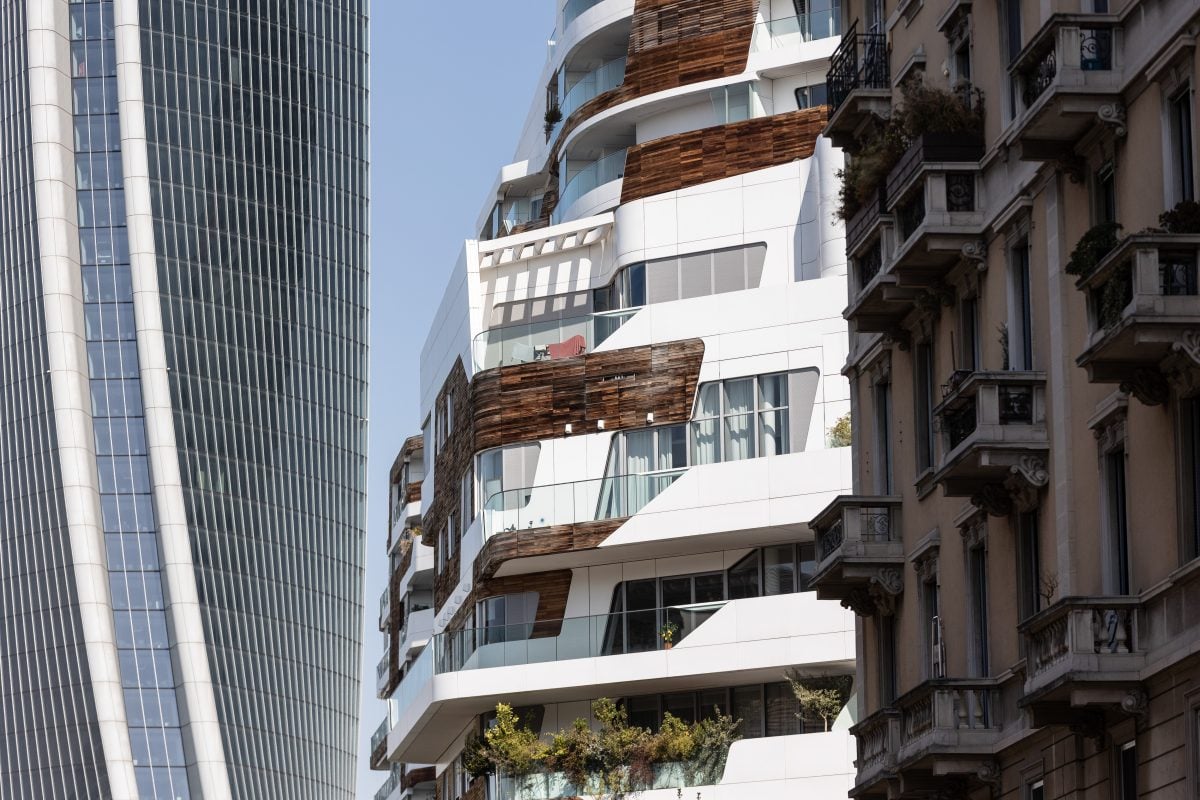
Milan’s housing market has reached a critical juncture, with rising costs and dwindling affordability drawing comparisons to London’s housing crisis of the 1990s. Recent reports indicate that the city’s property prices have surged to levels where even middle-income residents struggle to find suitable accommodation, prompting concerns about long-term social and economic sustainability. The situation has been exacerbated by an influx of international buyers and investors seeking luxury properties, further straining the local housing supply.
According to verified reports from the Financial Times cited in multiple Italian media outlets, Milan’s housing crisis has now surpassed that of London in severity. This assessment stems from the city’s transformation following major events such as Expo 2015, Brexit, and the post-pandemic period, which collectively increased its appeal as both a tourist destination and a residential hub. The resulting demand has driven up mortgage and rental costs across the city, particularly in central districts and popular neighborhoods like Navigli, Brera, and Isola.
Data from real estate monitors such as Tecnocasa confirms that property prices in Milan’s city center have risen by approximately 5.5% in recent periods, reflecting broader trends of appreciation across the metropolitan area. In some prime locations, prices per square meter have reportedly exceeded 30,000 euros, a figure that places Milan among the most expensive cities in Europe for residential real estate. These increases have not been uniform, with certain peripheral areas experiencing more moderate growth while central zones face intense pressure.
The phenomenon has attracted significant attention from international investors, particularly those seeking high-end properties. Reports indicate that foreign buyers have been involved in transactions exceeding six million euros, primarily targeting luxury segments in historic centers and waterfront developments. This trend has contributed to a bifurcation in the market, where investment-driven demand coexists with growing difficulties for local residents attempting to enter or remain in the housing market.
Understanding the Drivers Behind Milan’s Housing Surge
The roots of Milan’s current housing challenges can be traced to a combination of economic, demographic, and policy-related factors. Following Expo 2015, the city experienced a sustained boost in global visibility, attracting not only tourists but also professionals and entrepreneurs drawn by its growing reputation as a European business hub. The post-Brexit relocation of some financial activities from London to Milan further increased demand for both commercial and residential space.
Italy’s relatively favorable tax regimes for certain types of foreign investment and residency programs have made the city appealing to high-net-worth individuals. While these policies have brought capital and expertise into the local economy, they have also intensified competition for limited housing stock, particularly in desirable neighborhoods. Urban planners and housing advocates have noted that the pace of new residential construction has not kept up with this rising demand, leading to tighter supply conditions.
Rental markets have mirrored these trends, with long-term leases becoming increasingly scarce and expensive. Short-term rental platforms have also played a role, as some property owners opt for higher-yield tourist accommodations over traditional long-term lets, further reducing the availability of affordable housing for residents. Local authorities have begun examining regulatory responses, though no major policy shifts have been implemented as of early 2026.
Impact on Residents and the Urban Landscape
The human impact of Milan’s housing affordability crisis is becoming more visible across different segments of the population. Young professionals, families, and essential workers such as teachers, healthcare staff, and public service employees report growing difficulty in securing housing within reasonable commuting distance of their workplaces. Many are being pushed toward the outskirts of the metropolitan area or considering relocation to other Italian cities with lower costs of living.
Real estate analysts note that the phenomenon is not unique to Milan but reflects broader patterns seen in other global cities experiencing rapid gentrification and investment inflows. However, the speed and scale of change in Milan have drawn particular concern, with some observers warning that the city risks losing its social diversity if corrective measures are not taken. Community groups and housing NGOs have called for greater inclusion of affordable units in new developments and stronger protections for long-term tenants.
Despite these challenges, Milan continues to attract investment and talent, underscoring the complex trade-offs between economic vitality and livability. City officials acknowledge the pressure on the housing system but emphasize ongoing efforts to balance growth with inclusivity through urban planning initiatives and public housing programs. The effectiveness of these measures remains subject to ongoing evaluation by independent monitors and academic researchers.
Outlook and Key Developments to Watch
As of April 2026, no major national or regional housing policy announcements specific to Milan have been released that would signal immediate intervention in the market. Observers recommend monitoring updates from Italy’s Ministry of Infrastructure and Transport, as well as regional housing authorities in Lombardy, for any forthcoming measures related to rental regulation, social housing construction, or tax adjustments affecting real estate transactions.
Industry reports from sources such as Scenari Immobiliare and Nomisma are expected to provide updated analyses of Milan’s housing trends later in 2026, offering more detailed insights into price trajectories, supply-demand balances, and regional variations. These publications typically include data on building permits, mortgage approvals, and rental contract renewals, which serve as key indicators of market health.
For residents and prospective buyers, staying informed through official channels such as the City of Milan’s urban planning department and reputable real estate associations remains advisable. While the current environment presents challenges, particularly for those seeking affordable options, ongoing dialogue between policymakers, industry stakeholders, and community representatives may shape a more equitable path forward for the city’s housing future.
Related reading
- I Introduced My 13-Year-Old Daughter to Classic Millennial Pranks Like Toilet Papering-And Felt Like a Kid Again
- INTI Group Launches Initiatives to Boost Education and Scholarships with China
- Iran Demands US Concessions to Reopen Strait of Hormus, Boosting Oil Prices (archynewsy.com)
- iPhone 17 Prices May Increase as Early as Monday, Rumors Suggest (time.news)