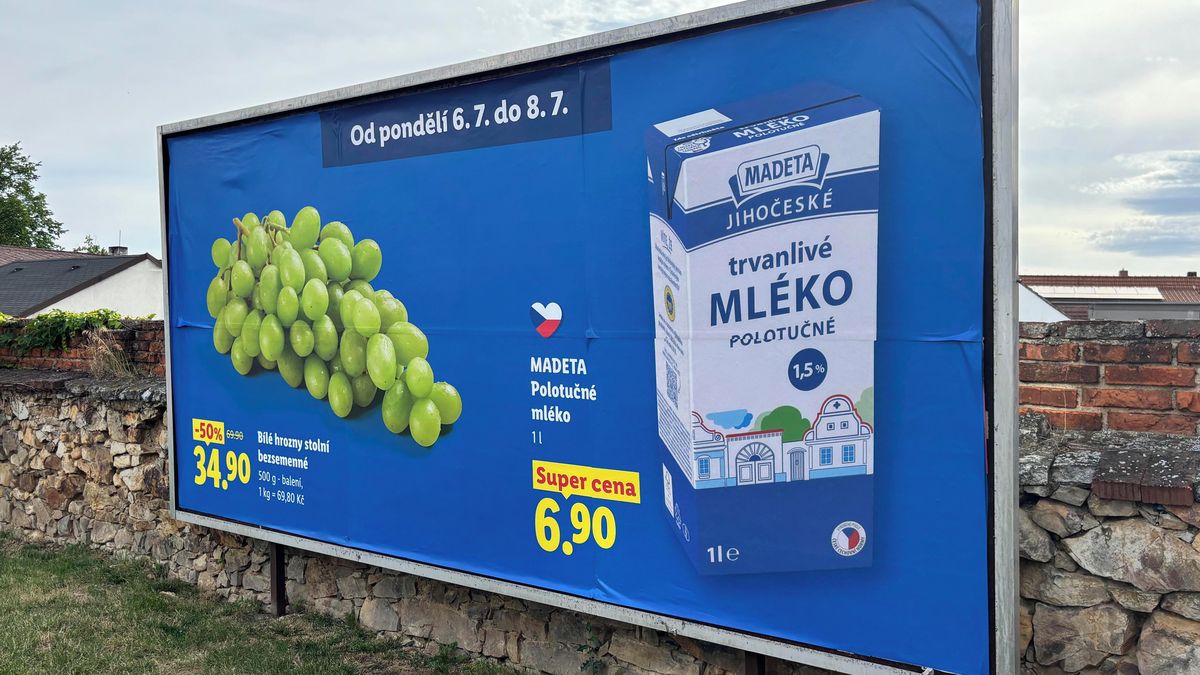
Dairy prices in the Czech Republic have fallen to levels where milk is now cheaper than bottled water, with some retail chains selling milk for as low as six Czech koruna (CZK). This price collapse, which also affects butter prices—dropping to around 20 CZK in some instances—has triggered warnings of a systemic crisis in the dairy market, according to reports from Seznam Zprávy and CNN Prima NEWS.
The sudden price drop is creating a sharp divide between consumer benefit and producer viability. While shoppers see immediate savings, dairy farmers and industry representatives describe the pricing as “complete nonsense,” arguing that these levels are unsustainable and threaten the long-term stability of domestic milk production. The trend reflects a volatile market where retail pricing strategies are decoupling from the actual costs of agricultural production.
This volatility is not limited to a single retailer but is appearing across various chains, signaling a broader shift in how dairy products are being positioned in the competitive Czech grocery landscape. The disparity between the cost of a basic necessity like milk and a processed commodity like bottled water highlights the severity of the current pricing war.
Retail Price Collapse and the Consumer Gap
The current market state is characterized by aggressive discounting. According to CNN Prima NEWS, some retailers have slashed milk prices to six koruna and butter to 20 koruna. To put this in perspective, these prices often fall below the cost of basic bottled water, which typically maintains a higher price floor due to different supply chain dynamics and branding.
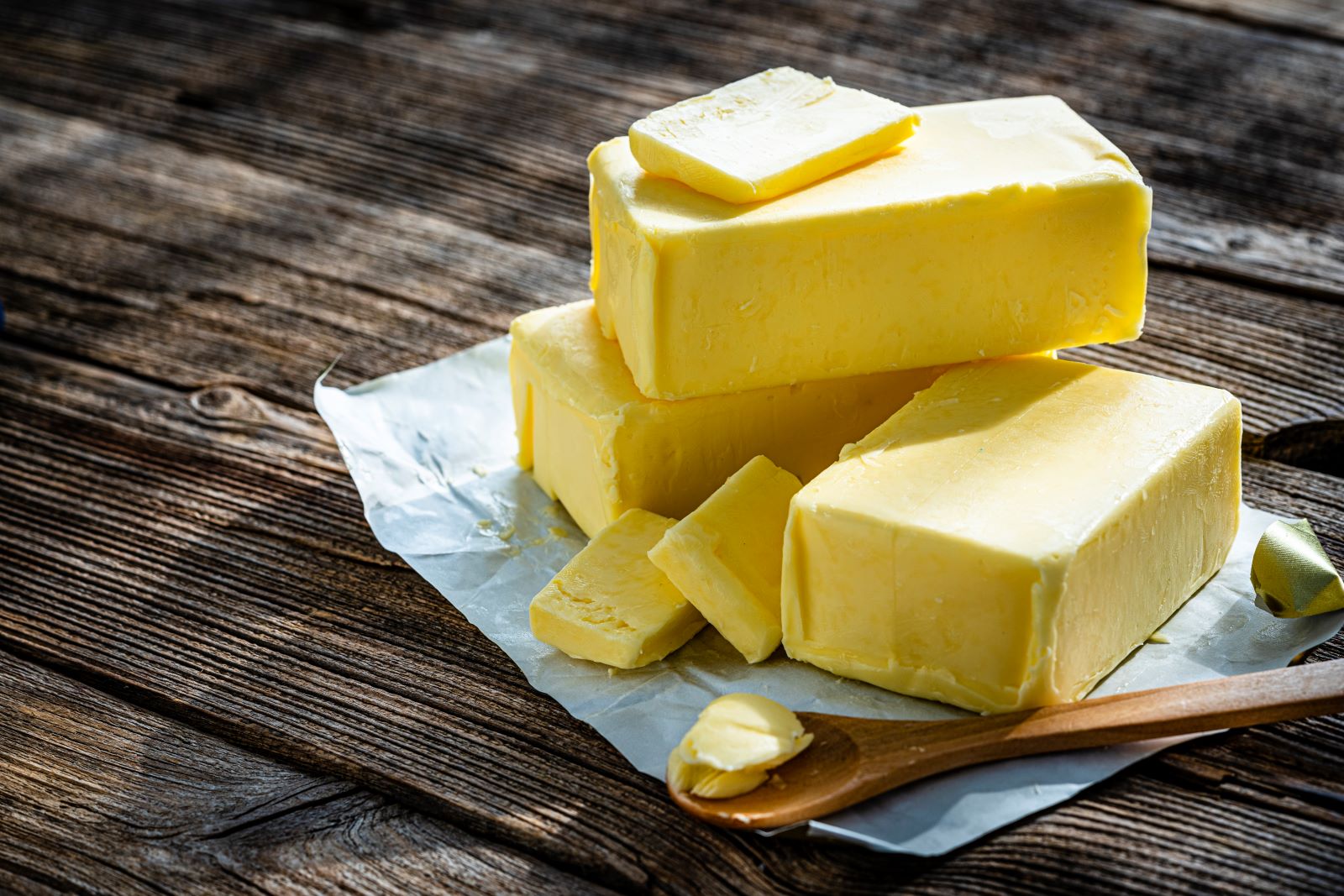
For the average consumer, these price points offer a temporary reprieve from inflation. However, analysts cited by Lidovky.cz suggest that lower prices for farmers are often framed as a win for politicians looking to show a decrease in food inflation, but the reality is more complex. When prices drop too sharply, it can signal a market crash that eventually leads to reduced supply and higher long-term costs for the consumer.
The disparity is most evident when comparing the retail shelf price to the producer’s payout. Dairy farmers are reporting that the prices they receive for raw milk do not align with the aggressive discounts seen in stores, suggesting that retailers may be absorbing costs to drive foot traffic or utilizing strategic losses to undercut competitors.
Impact on Czech Dairy Farmers and Production
The dairy industry is reacting with alarm to the current pricing trends. According to Seznam Zprávy, dairy farmers have characterized the six-koruna price point as “complete nonsense,” stating that such figures do not cover the basic costs of animal husbandry, feed, and labor.
The risk of a “dairy market crisis” is now a primary concern for regional producers. When retail prices plummet, the pressure is passed back up the supply chain. Farmers face a precarious situation where continuing production results in a financial loss per liter of milk. This environment often forces smaller farms to scale back operations or exit the industry entirely.
According to reports from Pribram.cz, the downward trend in milk and butter prices is a leading indicator that the dairy market is heading toward a crisis. The instability is exacerbated by fluctuating global commodity prices and the high cost of energy required to maintain dairy facilities and processing plants.
Market Analysis: Why Milk Prices Are Diverging from Water
The fact that milk—a perishable product requiring refrigeration, pasteurization, and complex logistics—is cheaper than bottled water is an economic anomaly. Bottled water benefits from a lower production cost but higher marketing margins and a more stable demand curve. Milk, conversely, is subject to biological production cycles and strict expiration dates, making it more susceptible to “fire sales” when supply exceeds demand.
Several factors contribute to this specific price divergence in the Czech market:

- Overproduction: An excess of raw milk supply can lead to a surplus that retailers must clear quickly to avoid spoilage.
- Retail Competition: Large supermarket chains often use “loss leaders”—products sold at or below cost—to attract customers into the store, hoping they will purchase other higher-margin items.
- Policy Pressure: Political pressure to curb food inflation can lead to artificial pricing pressures on staples like milk and butter.
According to Lidovky.cz, while these low prices may seem beneficial in the short term, the lack of a sustainable price floor for farmers could lead to a decrease in domestic herd sizes, eventually making the Czech Republic more dependent on expensive imports from other EU member states.
Comparing Dairy and Water Price Trends
The following table illustrates the reported price anomalies currently appearing in some Czech retail segments:
| Product | Reported Low Price (CZK) | Market Status | Impact |
|---|---|---|---|
| Milk | 6 CZK | Highly Volatile | Producer Loss / Consumer Gain |
| Butter | 20 CZK | Sharp Decline | Market Destabilization |
| Bottled Water | Variable (Higher) | Stable | Standard Margin |
This contrast underscores the “nonsense” described by producers; the economic value of the labor and resources required to produce milk far exceeds that of filtering and bottling water, yet the market price currently suggests the opposite.
Industry observers are now waiting for official responses from agricultural unions and government regulators to see if price floors or subsidies will be implemented to prevent a total collapse of the domestic dairy sector. The next critical checkpoint will be the release of the next quarterly agricultural price index, which will determine if this is a temporary retail anomaly or a permanent market correction.
Do you think retail price wars help consumers in the long run, or do they destroy local farming? Share your thoughts in the comments below.
Related reading