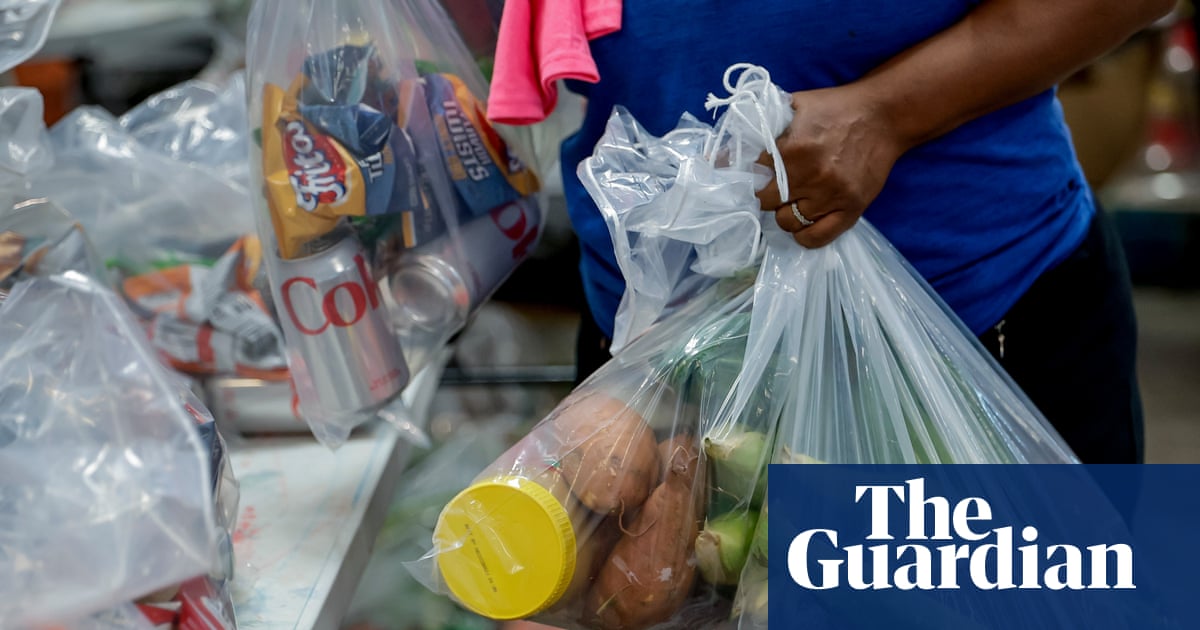
More than 1 million children across the United States have lost Supplemental Nutrition Assistance Program food benefits since July 2025, driven by tighter federal eligibility rules and new state screening requirements enacted under the One Big Beautiful Bill Act, according to a recent analysis from the Center on Budget and Policy Priorities.
Millions Lose Access to Nutrition Assistance Nationwide
The federal food assistance program, commonly known as SNAP or food stamps, has experienced one of the steepest participation declines in its history. A national report published last week by the Center on Budget and Policy Priorities found that more than 4 million Americans were removed from the safety net program between July 2025 and March 2026. The mass reduction follows Congress’s approval of the One Big Beautiful Bill Act in July 2025, which introduced stringent federal work requirements and shifted a substantial share of administrative and benefit costs directly onto individual states.
Among those losing nutritional support, children represent a massive share. The CBPP study tracked 19 states and found that more than 1.5 million children nationally have lost assistance. State-level impacts vary widely but show severe local contractions: in Arizona, participation dropped by more than 450,000 people—cutting overall state enrollment in half. In Louisiana, nearly one in four children receiving SNAP benefits lost access, while Massachusetts and Texas each saw close to one-fifth of enrolled children removed from the program.
Sharp Participation Drop and Administrative Strain in Nebraska
At the state level, local agencies report surging workloads alongside plummeting enrollment. In Nebraska, public food aid rolls declined by nearly 17 percent—about 25,000 people—since last July, according to data released by the Nebraska Department of Health and Human Services. Watchdog group Nebraska Appleseed noted that May through June marked the sharpest single-month participation drop, nearly 6,000 people, since the state began publishing performance metrics in 2014. Total customer service calls regarding economic assistance spiked past 80,000 in June, while average telephone wait times jumped from 13 minutes to nearly 23 minutes.
Advocates argue that state verification tactics have added significant hurdles for applicants. Eric Savaiano, manager for food and nutrition access at Nebraska Appleseed, stated that state caseworkers recently began demanding highly detailed financial and medical disclosures. According to Savaiano, some new and renewing applicants were required to obtain signed confirmation from a neighbor regarding household eating arrangements. The state is now requiring verification for absolutely everything,
Savaiano said.
Political Clashes Over Fraud Claims and Welfare Tropes
Agriculture Secretary Brooke Rollins defended the administration’s trajectory during a May statement, asserting that declining rolls reflect a strengthening economy and a reduction in ineligible participants. A lot of it is people taking the program that shouldn’t have been, and then a lot of it is just a better economy,
Rollins said, as reported by The Boston Globe.

Anti-hunger advocates and state researchers push back against those characterizations, pointing to federal demographic data showing that two-thirds of adult SNAP recipients already work full-time. Victoria Negus, a senior advocate at the Massachusetts Law Reform Institute, argued that accusations of widespread fraud serve as a pretext to dismantle safety net programs. They’re breaking something intentionally then pointing at the broken thing and saying
Negus said.Let’s get rid of it,
Mayors and Lawmakers Push for Immediate Reversal
The mounting crisis has triggered organized pushback from municipal leaders and federal lawmakers. The U.S. Conference of Mayors, representing cities with populations of at least 30,000, sent a letter signed by more than 200 mayors to the Senate, urging Congress to reverse the cuts and delay upcoming financial cost-shifts to state governments. Snap remains the nation’s most effective and efficient anti-hunger program,
the mayors wrote in their letter.
In the House, progressive lawmakers have also attempted to intervene. Representative Ilhan Omar of Minnesota introduced an amendment seeking to reverse the SNAP reductions, though the proposal was defeated by the Republican majority. Meanwhile, anti-hunger organizations report surging demand at private food pantries as local donors struggle to fill the gap left by federal rollbacks.