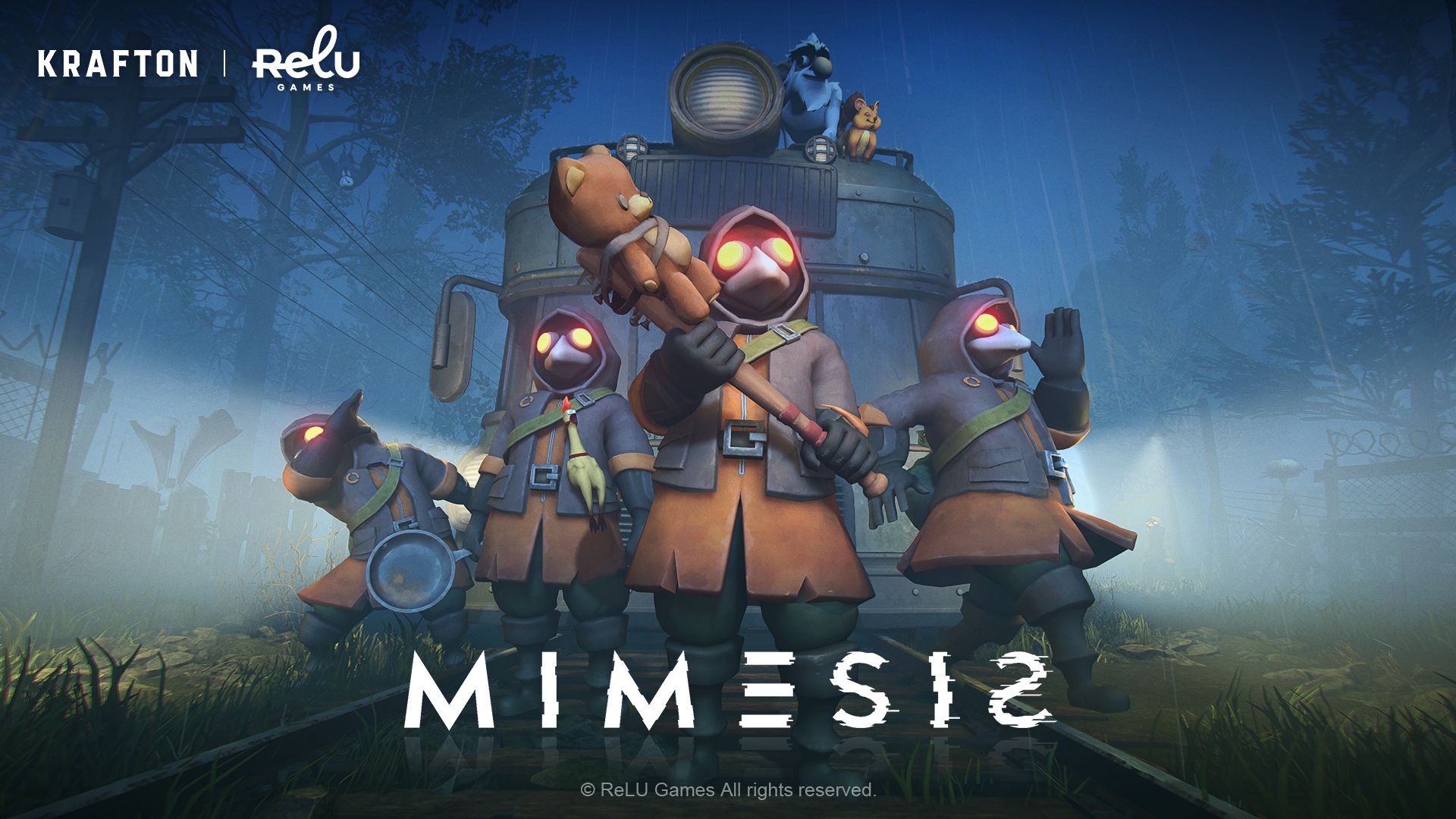
In the rapidly evolving landscape of interactive media, the integration of artificial intelligence has moved beyond simple automation, increasingly becoming a fundamental pillar of creative expression. This shift was underscored on June 5, 2026, as the industry recognized the innovative work of ReLU Games, a creative studio under KRAFTON JAPAN, for their co-op survival horror title, MIMESIS.
The game has been honored with an Excellence Award in the Game Design category at the CEDEC AWARD 2026, hosted by the Computer Entertainment Entertainment Association (CESA). This recognition highlights the title’s unique approach to gameplay, which utilizes generative AI to create a tense and often unsettling experience for players. By placing AI-driven mimicry at the center of its mechanics, MIMESIS has emerged as a standout project in the current competitive market.
Redefining Player Agency Through AI
At its core, MIMESIS is designed as a four-player cooperative survival horror game. Its central hook—and the primary reason for its recent industry accolades—is its sophisticated use of AI that can imitate the behavior and communication patterns of the players themselves. As players navigate the game’s environment, they must contend with the unsettling reality that the entities hunting them are capable of posing as their own teammates.

The CEDEC AWARD 2026 selection committee specifically lauded the game for its ability to weave AI technology into the fabric of a “Friendslop,” or a cooperative game predicated on voice chat. According to the committee, this design choice successfully generates a dual-layered emotional response of “fear and laughter,” pushing the boundaries of what is possible in multiplayer horror. By forcing players to constantly verify the identity of those they are working with, the game transforms routine team communication into a source of psychological tension.
The Technical Achievement Behind the Horror
The recognition by CESA, which organizes the Computer Entertainment Developers Conference (CEDEC), places MIMESIS among the most technically significant projects of the year. The CEDEC AWARDS are highly regarded for acknowledging advancements across four specific disciplines: engineering, game design, sound, and visual arts. Being named a finalist for the Grand Award in the Game Design category further cements the title’s status as a leader in innovative software development.
For players and developers alike, the game serves as a case study in how AI can be utilized not just for NPC pathfinding or environmental generation, but as a core narrative and mechanical engine. By leveraging the unpredictable nature of voice-chat interactions, ReLU Games has created a system where the “mimicry” is not just a visual trick, but a behavioral one that challenges the trust dynamics inherent in multiplayer gaming.
Looking Ahead
As the gaming industry continues to grapple with the ethical and practical applications of generative AI, projects like MIMESIS provide a compelling roadmap for how these tools can enhance player experience without sacrificing the human element of cooperative play. The success of the title at the CEDEC AWARDS suggests a growing appetite for games that utilize technology to foster deeper social engagement through tension and collaboration.

The development team at ReLU Games has not yet announced the next phase of updates or expansions for the title, though the industry will likely be watching to see if this “mimicry” mechanic influences future titles in the horror genre. For those interested in experiencing the game firsthand, MIMESIS is currently available on Steam.
What are your thoughts on the use of AI to simulate player behavior in cooperative horror titles? Join the conversation in the comments section below or share this article with your gaming group.
Keep reading